The results are now in for our 2025 poll of Film Comment’s contributors! On this page, you’ll find our list of the 20 best films that were released either theatrically or virtually in 2025 in the United States, with original appreciations from our critics, as well as links to features, reviews, and interviews about these films and directors from throughout the year.
Also check out our list of the Best Undistributed Films of 2025. Our voters’ Individual Ballots, and our Best of 2025 Countdown Podcast, featuring guest critics Amy Taubin and Bilge Ebiri, will be online tomorrow. Coming next week: critic and programmer Inney Prakash’s list of the year’s Best Short Films, filmmaker and programmer Gina Telaroli’s list of the Best Restorations, critic and editor Gavin Smith’s list of the year’s Best Repertory Releases, and writing on the Best Scenes by Devika Girish and the Best Performances by Michael Koresky.
Subscribe today to the Film Comment Letter—the best way to stay on top of all our Best of 2025 coverage.
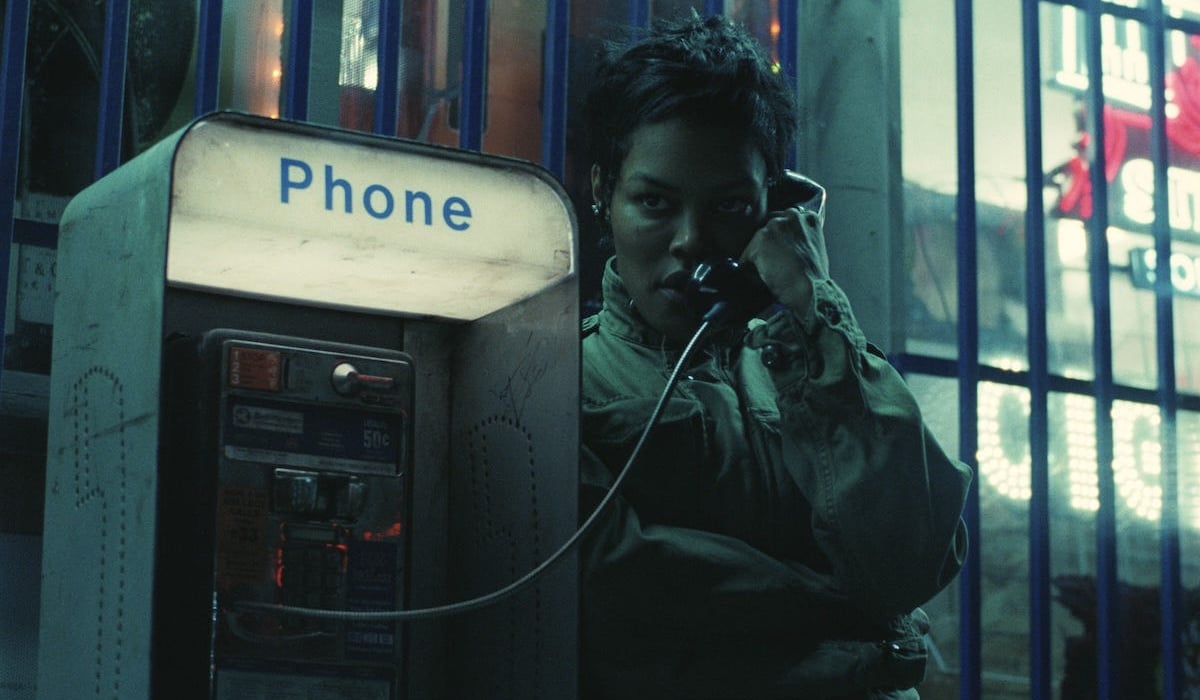
Those claiming that One Battle After Another reduces its characters to caricature misread what the film anatomizes: the mechanics of loyalty. After its bombastic prologue, Paul Thomas Anderson’s typically sprawling tale skips 16 years ahead to follow befuddled ex-revolutionary Bob Ferguson (Leonardo DiCaprio), now living in hiding with his biracial teenage daughter, Willa (Chase Infiniti, incandescent). Then the white supremacist Col. Lockjaw (Sean Penn)—who, despite himself, has a thing for Black women, particularly Willa’s mom, Perfidia Beverly Hills (Teyana Taylor)—comes for the teenager. Bob is forced back into his previous life, chasing her down with help from former comrades and Willa’s karate instructor, Sergio (Benicio Del Toro, fully committed). The film’s paranoia-driven, pulsating action sequences illustrate not ideology but rather the infrastructure of allegiance—the signals, lingo, plans, and solidarity that sustain any embattled collective. Willa, after witnessing all the double-crossing, doubt, and sacrifice, still chooses to join the cause—now that’s a message worth salvaging.—Abby Sun
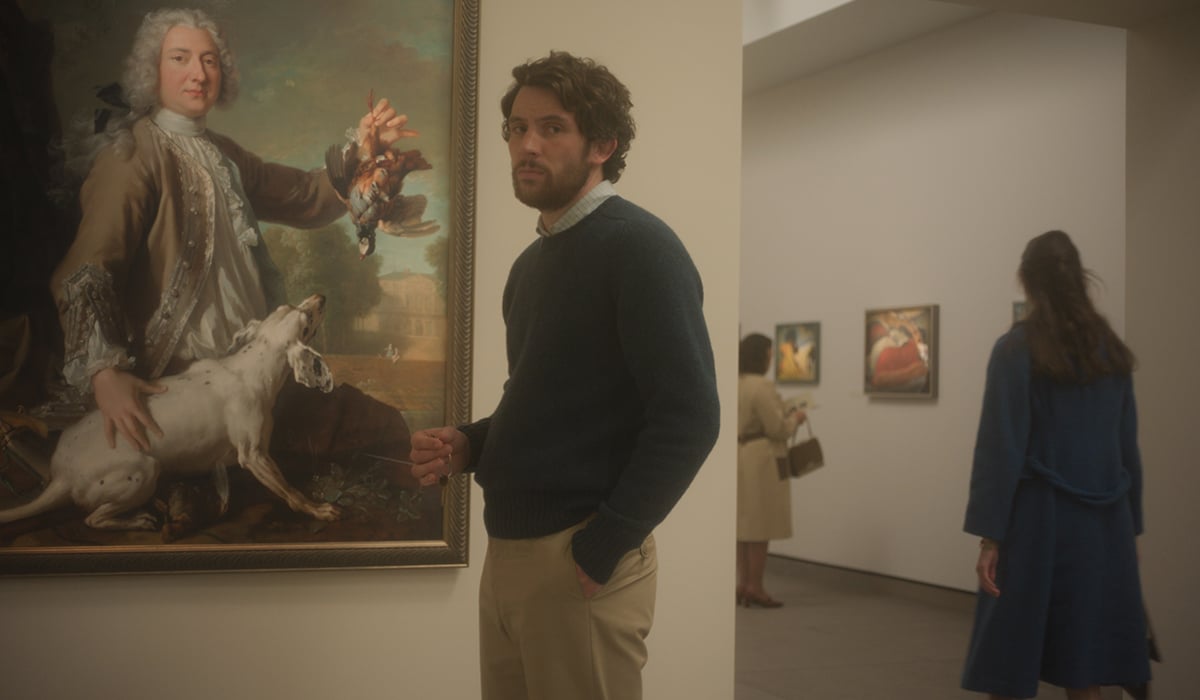
Cinema is full of hapless would-be criminals whose best-laid plans go awry, but the heist planned by J.B. Mooney (Josh O’Connor) in Kelly Reichardt’s The Mastermind is one of the worst-laid plans ever. Mooney is a master only in his own mind, having exhausted his one asset—charm—without realizing it. His neglected wife (Alana Haim) and two children, his retired-judge father (Bill Camp), and his club-lady mother (Hope Davis) have all indulged him, but his time is running out. Significantly, the film is set in the ’70s, a period of social activism (J.B.’s not interested) when it was easier not to grow up. At one point he calls his wife to say that all he’s done has been for the family—or, well, “three-quarters of it.” To say it’s anti-genre is not enough; it’s a wildly original take on a type rarely seen on screen because the interest here is in absence rather than presence. The Mastermind is a comic-horror story of a man who’s an utter vacuum, incapable of self-knowledge or change.—Molly Haskell
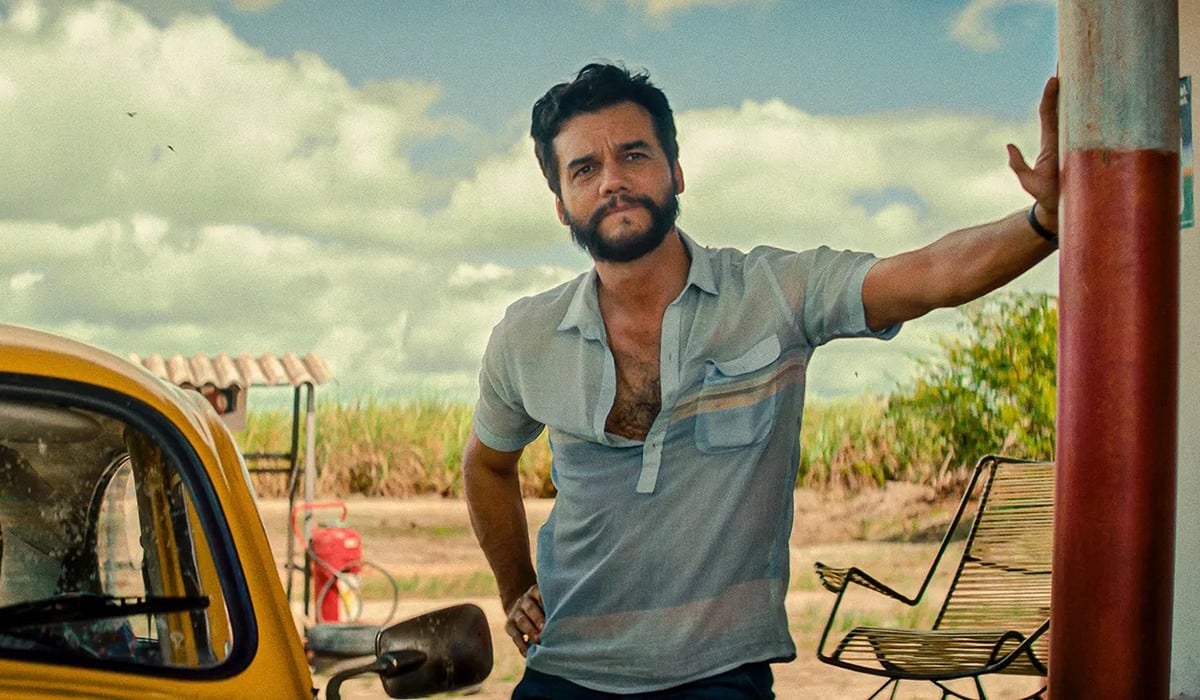
Leave it to Kleber Mendonça Filho, a filmmaker for whom cinema feels as essential as breathing, to craft a political thriller that is equally steeped in the techniques of its classic-movie inspirations and the everyday atmospheres and textures of 1970s Brazil. Photographed in widescreen Panavision, and featuring De Palma–style split-diopter shots, Altmanesque zooms, and wipe transitions straight out of Star Wars, The Secret Agent is packed with period-perfect details and held together by Wagner Moura’s soulful performance as a scientist and father caught in the murderous headlights of Brazil’s military dictatorship. But this is also a movie that keeps wandering around—“a bit improvised, Brazilian-style,” as one character says. Mendonça is fascinated by how the history and tools of cinema become an archive; the film finds its most arresting images and moral conscience in all the supposedly unnecessary, extra stuff of life that one might imagine any other filmmaker excising from the record.—Michael Blair
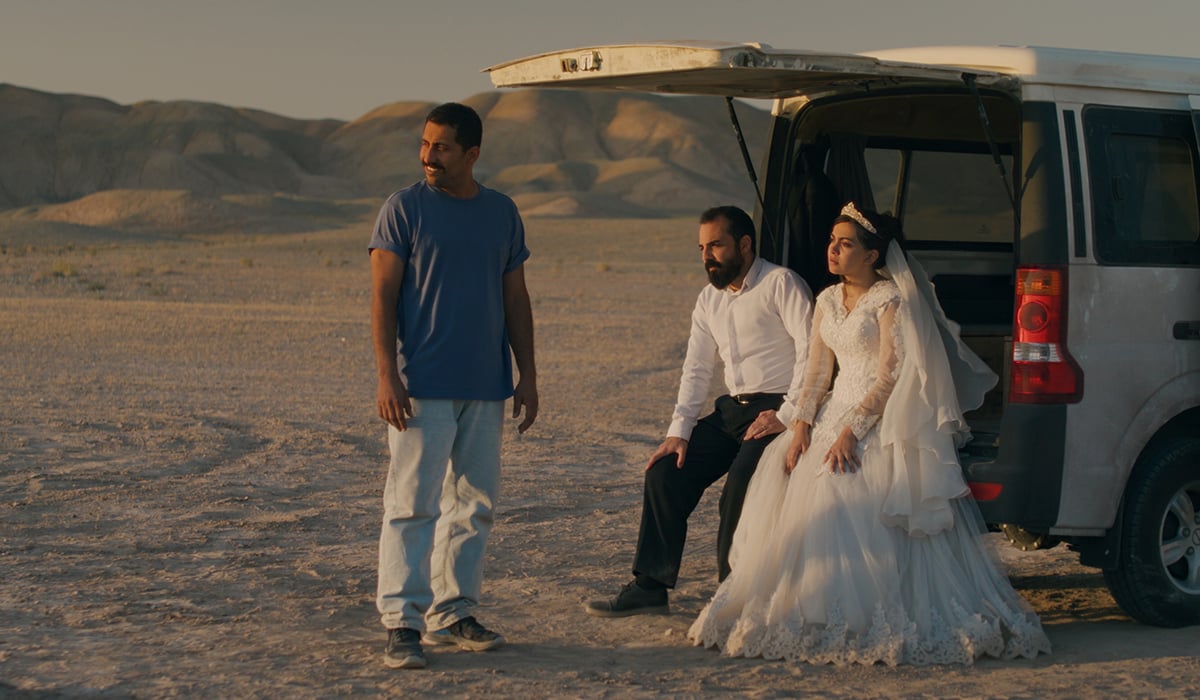
In Jafar Panahi’s latest, a car mechanic, Vahid (Vahid Mobasseri), struggles with whether to kill the man whom he is almost certain tortured him in prison. Vahid is not a prince, but his dilemma—and Panahi’s road movie—reminded me of Hamlet, specifically “The Mousetrap,” the play that Hamlet commissions to prove that his uncle is guilty of murder. “Comical-tragical” is the desired effect of “The Mousetrap,” and it is a perfect genre designation for It Was Just an Accident and its central image—a truck holding a semiconscious man in a coffin-like box in the back, which Vahid drives around Tehran, picking up passengers who might help him decide whether killing a killer will change his life or the country they still love. Shot without permits barely a year after Panahi was released from his second prison term, the film was a risk that he and his team agreed to take; you can feel their will to speak truth to power in every second. No surprise, the much-deserved acclaim has also earned Panahi an in-absentia prison sentence.—Amy Taubin
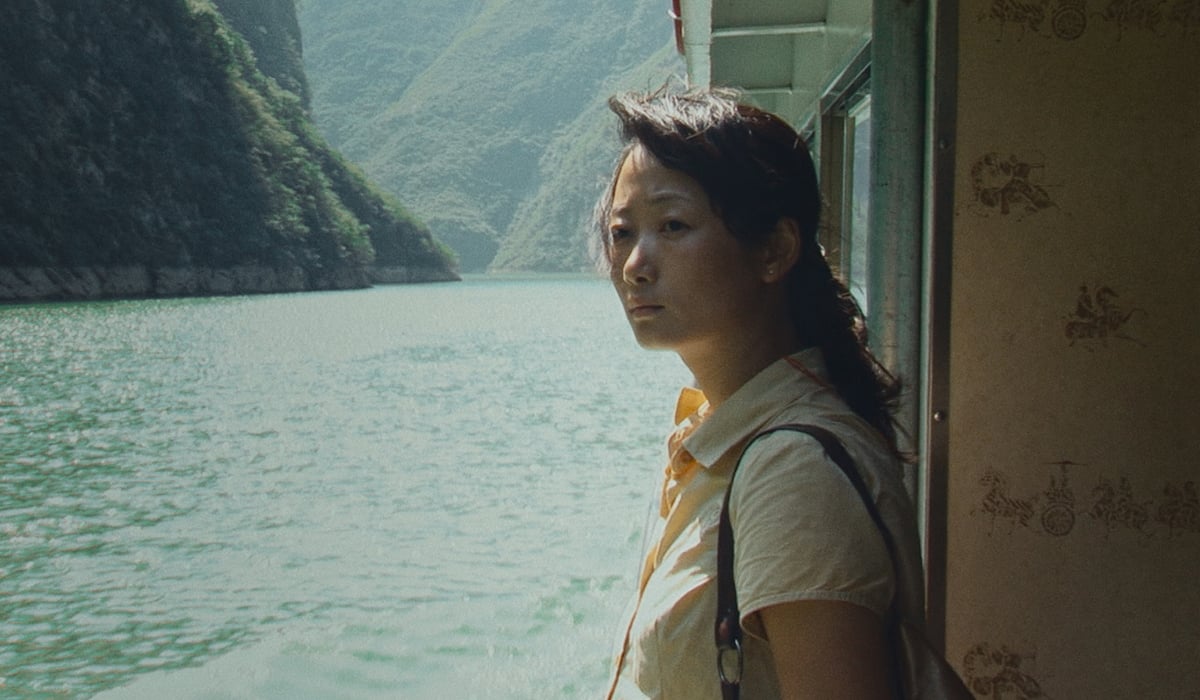
What is there to hold on to in a changing world? Caught by the Tides leaves this question open. The film takes place during China’s early-21st-century economic transformation, long the subject of Jia Zhangke’s career. Here his attention turns inward: he reuses footage from his earlier films to construct the sweeping story of the fractured romance between Qiaoqiao (Zhao Tao) and Bin (Li Zhubin). Radio broadcasts index historic moments, like when China wins its bid to host the 2008 Olympics. But heaven is high and the emperor is far away: Jia is more concerned with what happens on the ever-shifting ground, the propulsive movements of people, and especially the expressions that flit across Zhao’s face. In the final third of the film, she wears a mask that covers all but her eyes. But what eyes they are—yearning and searching, they take in the broken man that Bin has become, a man as restless as his country.—Genevieve Yue
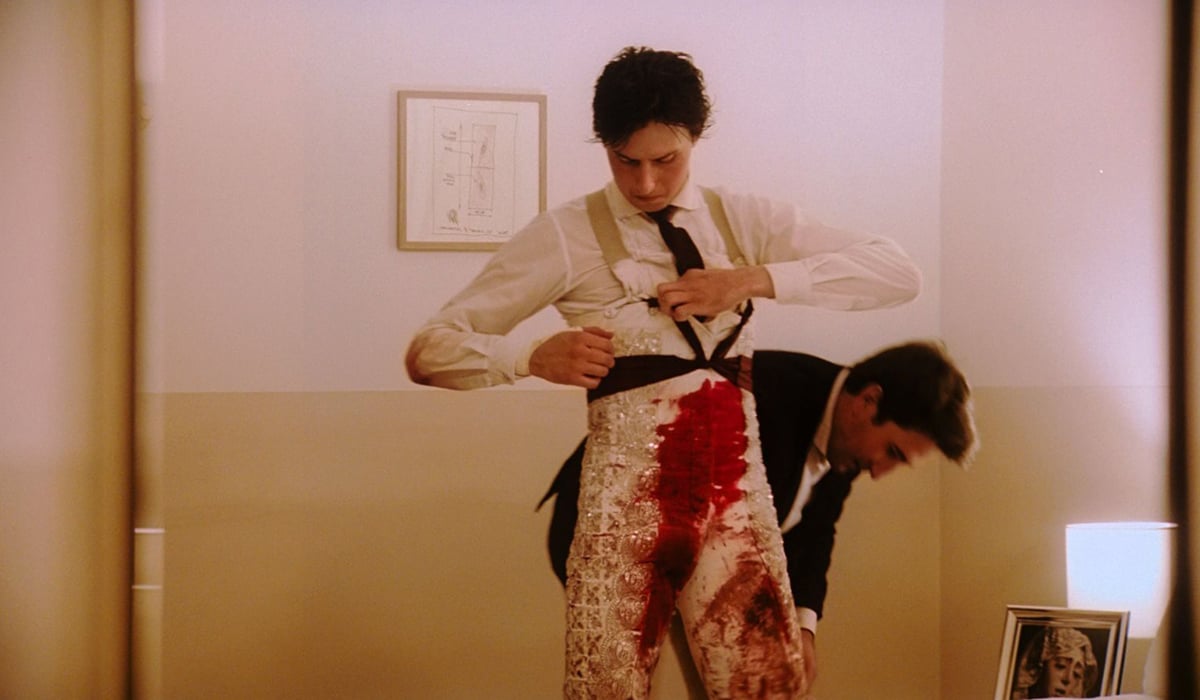
The Peruvian torero Andrés Roca Rey, his face contorted into a Harpo Marx–worthy grimace, stares down a slack-jawed, stumbling, rapidly dying bull. Decked out in the traditional gilded uniform (a traje de luces, or “suit of lights”), smeared with blood and the dust of the arena floor, the man arches his back and puffs out his chest, a posture of masculinity so exaggerated as to become abstract. In Afternoons of Solitude, Albert Serra’s first feature documentary, the roving, probing camera shows us that these rituals are simply the scaffolding, devoid of meaning in themselves, upon which the bullfighter hangs his days. Serra searches Roca Rey’s face in vain for a glimmer of self-awareness or acknowledgement that his life is essentially that of an animal trotted out to perform a play based on medieval ideas of honor. The line between man and beast, the film suggests, is as flimsy as the ripped white spandex, soaked in both human and bull’s blood, that Roca Rey tears off after another grimly successful corrida.—Clinton Krute
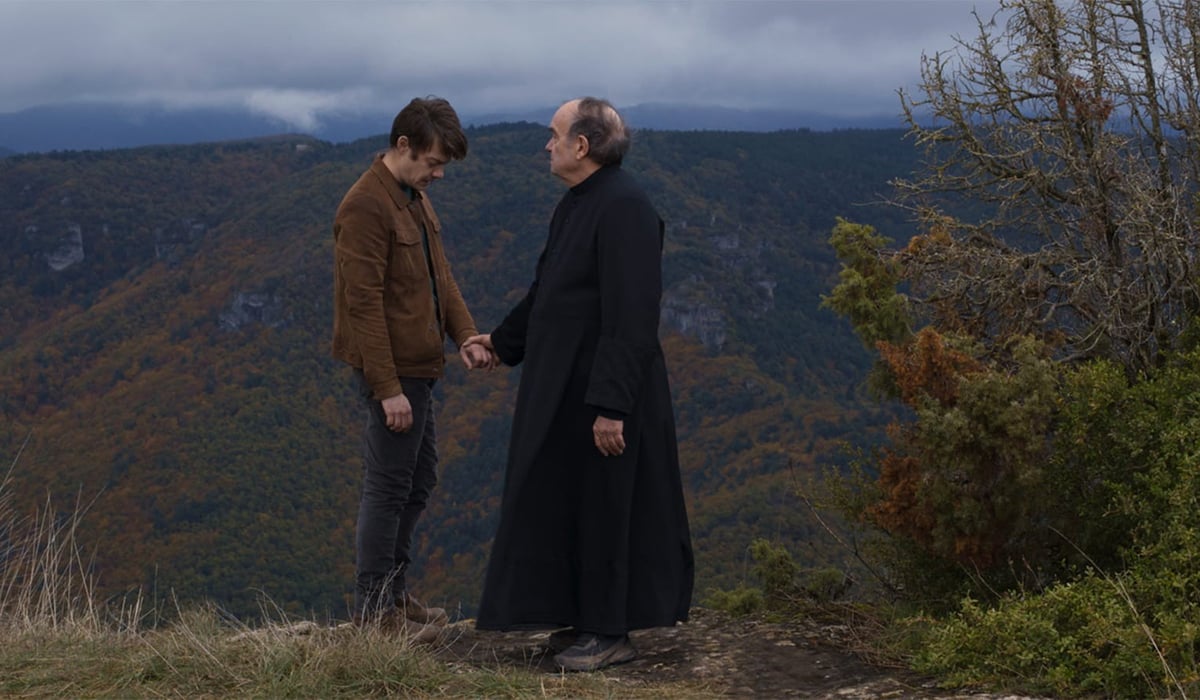
There’s no actual sex in Alain Guiraudie’s puckish policier, but the power of desire courses through the film’s lifeblood to uniquely sly and suspenseful ends. Following a handsome drifter (Félix Kysyl) upon his return to his rural hometown, the film unfolds a wily network of subterranean urges as the people around him—folks of all ages, genders, and professions—are drawn into his orbit, prompting enigmatic encounters that range from tender to murderous. Misericordia’s provincial setting (Guiraudie’s native region of Occitania, in southern France), ambient sensuality, and shame-laced unease offer variations on the director’s enduring themes. Yet the film also stands out in his body of work for its masterful mélange of moods and genres, shifting between farce and philosophy with the elegant fickleness of autumn leaves tossing in the breeze.—Beatrice Loayza
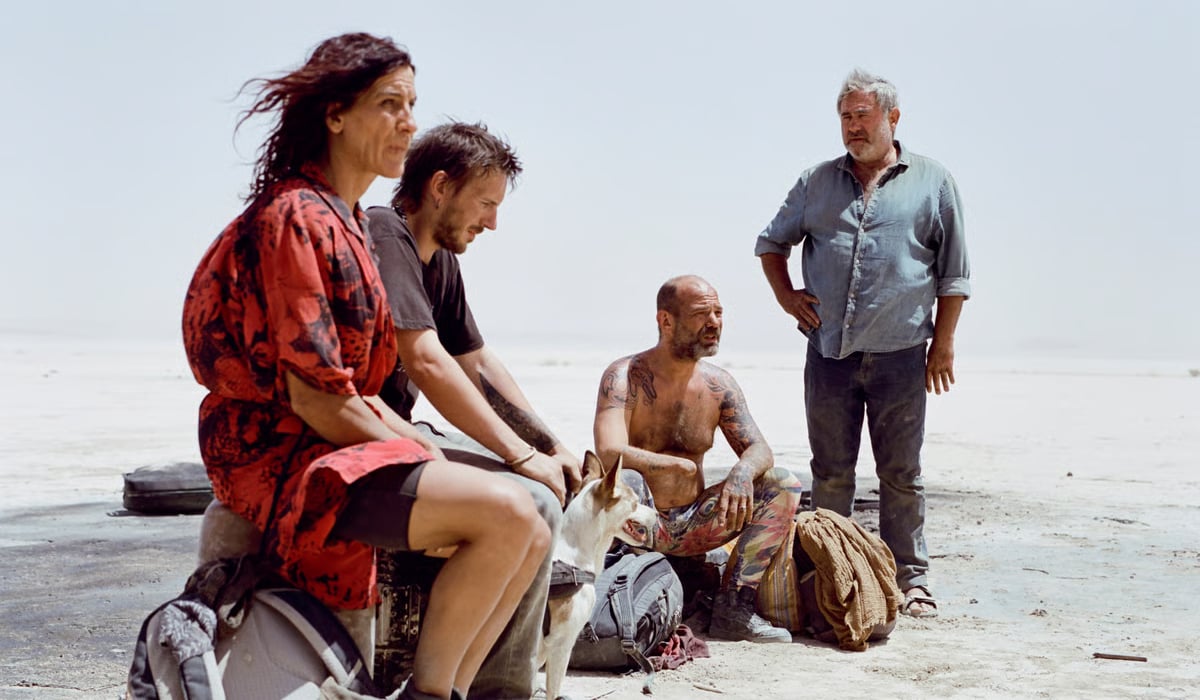
The Galician director of 2019’s Fire Will Come returns to Morocco, the location of his mystically charged Mimosas (2016). Like that film, Sirāt is a road movie about the place where the roads run out and the desert—and unpredictable destiny—takes over. Sergi López stars as a man searching for his daughter, joining forces with an alternative family of seasoned rave veterans (played by a troupe of grittily authentic nonprofessionals). With its bold narrative shock tactics and pounding techno score, Laxe’s latest comes across as a 21st-century Wages of Fear, but with an implicit spiritual dimension as much as an existential one. Harking back to hippie-era quest movies like 1972’s The Valley (Obscured by Clouds), Sirāt—which demands to be seen on a big screen, with a sound system to match—is the proverbial trip, but louder and more explosive than any they made back then.—Jonathan Romney
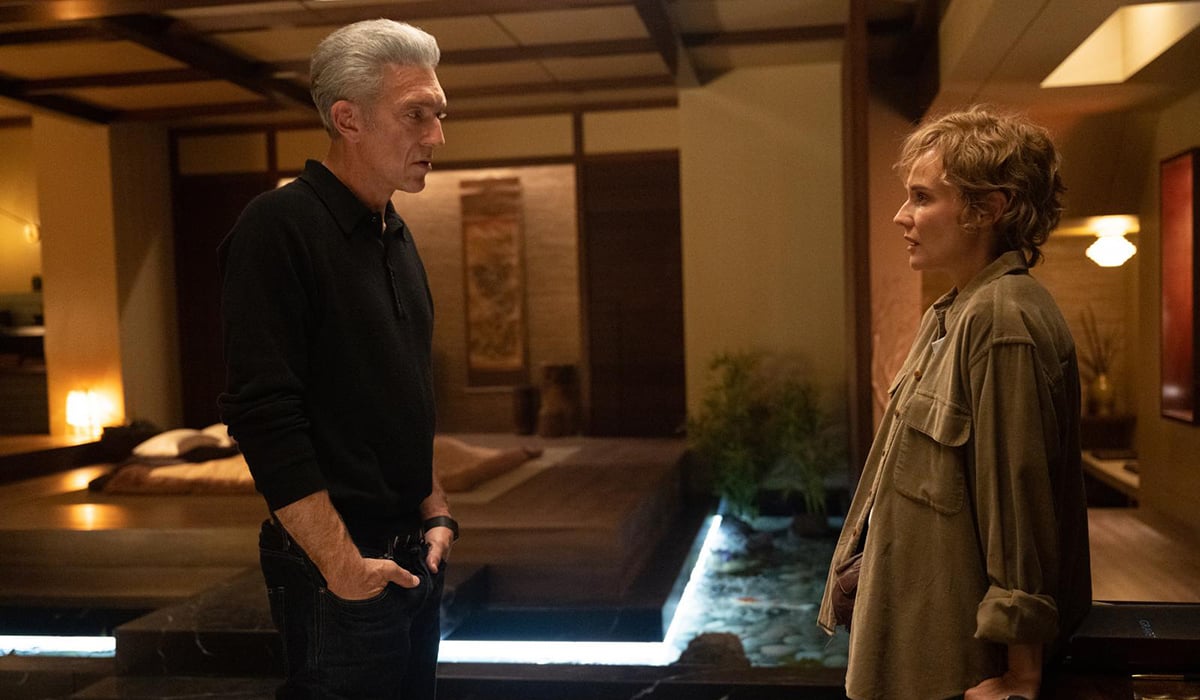
It all appears so eminently Cronenbergian: weird bodies, speculative technologies, baroque conspiracies, aberrant pathologies. And yet the fundamental concern of The Shrouds—one of the master’s most deceptive, elusive works—is precisely the problem of appearance. Opening in the unconscious and closing with a scene that turns everything we’ve seen into pure phantasm, this is a movie not of the body but of the mind, a film that insistently telegraphs its own status as image. The techno-thriller trappings constitute a symptom rather than a plot; their progressive collapse into contradiction and pointlessness is very much the point. A lot of movies this year fussed over The Way We Live Now, but it was The Shrouds that nailed our free fall into a vortex of endless content, the toll inflicted by our attachment to spectacle, and the political delirium of a culture that fails to grasp how the medium is the message.—Nathan Lee

Mary Bronstein’s second feature is a mother’s tale. The daughter, though at the crux of this stresscapade, remains off screen throughout; her story is hers to tell, as Bronstein has said. But for this viewer, the daughter of a mother and not the mother of anyone, If I Had Legs I’d Kick You unfolded with the gut-wrenching intensity of autobiography. A movie of cascading crises, it conjured memories of witnessing, with front-row access, my own amma undergoing the impostor syndrome so specific to mothers. I did not have a feeding disorder, my father was not a mostly absent boat captain, and our ceiling didn’t come crashing down. Yet the look on Rose Byrne’s face, as it desperately straddles guilt, fear, anger, and love, is one I’ve seen, and now recall with great empathy. It’s a credit to Bronstein and her extraordinary cast (including Conan O’Brien as a therapist, playing against type) that a movie of such huge, sometimes outlandish swings—as laugh-inducing as they are nerve-wracking—feels so true to life.—Devika Girish
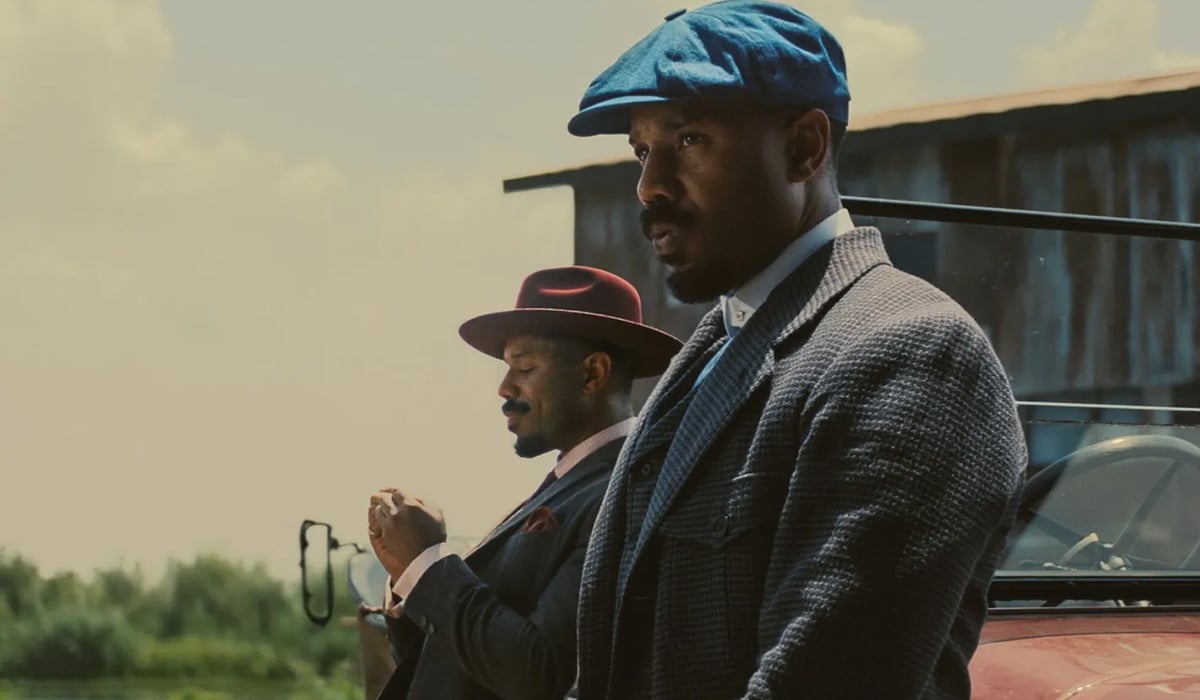
Having already tackled Rocky and the Black Panther, Ryan Coogler is clearly an ambitious, not to mention mega-successful, mythmaker. Has the big screen ever advanced as potent a mix of Black music, Black religion, and Black liberation as Coogler’s Sinners? The mad, Afrofuturist-in-reverse dance sequence alone would make this the second-strongest movie-movie I saw this year (next to One Battle After Another)—it’s frontloaded for sure, but with so much brio that one can almost forgive the tediously passé Robert Rodriguez–esque finale. Terroir transcends terror in the Mississippi Delta: Coogler has absorbed not only film artist Arthur Jafa’s ideas regarding the sacred and the profane, but his sense of place, too, having set the movie in Clarksdale—hometown of geniuses Sam Cooke, John Lee Hooker, Son House, Robert Johnson, Ike Turner, Muddy Waters, and Tennessee Williams. Jafa grew up there as well. I’d love to get his take on the movie.—J. Hoberman
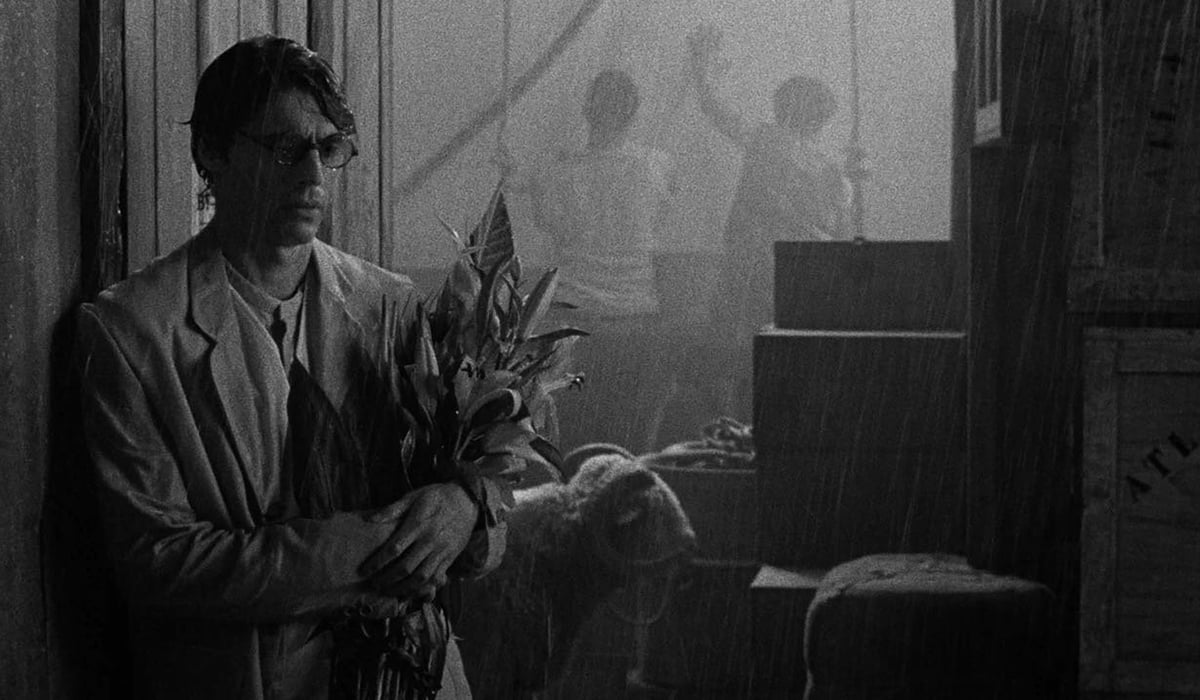
The sixth feature from Portuguese auteur Miguel Gomes, co-written with his wife and frequent collaborator Maureen Fazendeiro, is a thrillingly cinematic and romantic concoction of melancholy and effervescent humanism. Grand Tour literalizes the emotional distance separating its two protagonists: Edward (Gonçalo Waddington), a young diplomatic envoy of the British Empire anxiously contemplating his impending marriage in World War I–era East Asia; and Molly (Crista Alfaiate), the irrepressibly openhearted fiancée who arrives to join her betrothed where he’s stationed in Burma—only to find him vanished, and herself, intrepid and indulgent, obliged to follow in his wake as he charts a haphazard cross-continental route of evasion. Gomes and his cinematographers’ restless camera alternates nimbly between period-set scripted scenes (filmed in Italy on constructed soundstage sets) and documentary footage of the corresponding real-world locations: a potent layering of stories, subjects, sights, and sounds that together yield a kaleidoscopic and peripatetic fantasia.—Madeline Whittle
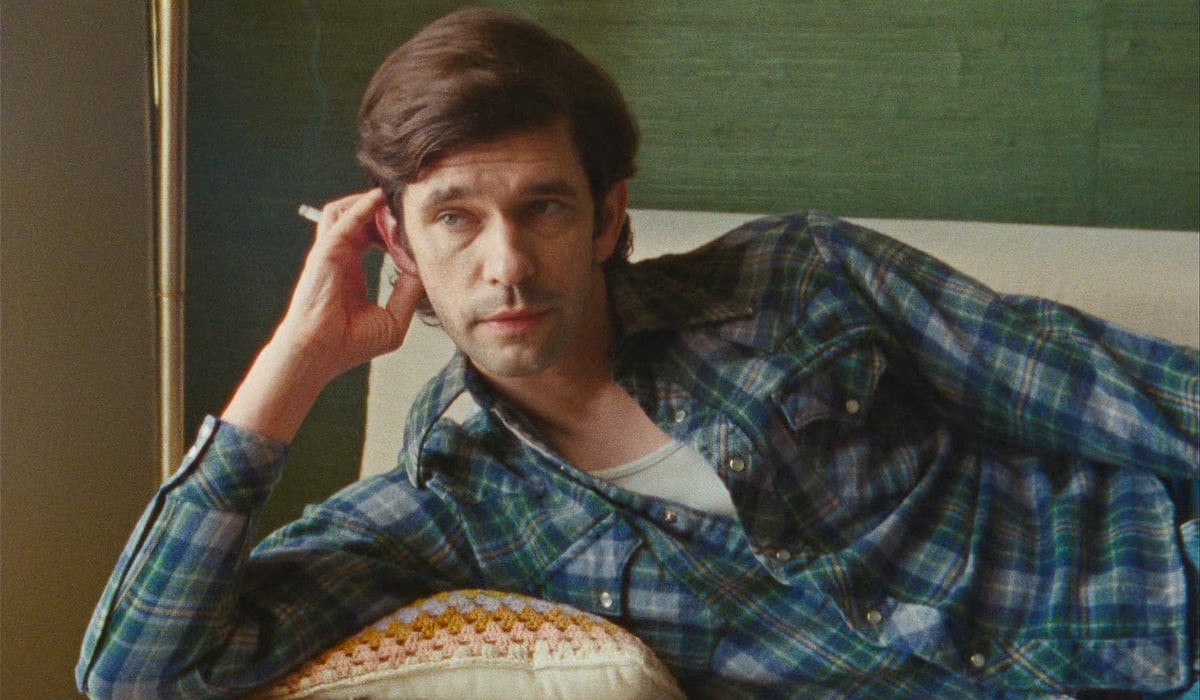
Ira Sachs’s eminently cinematic re-creation of a tape-recorded conversation between writer Linda Rosenkrantz (Rebecca Hall) and photographer Peter Hujar (Ben Whishaw) is an object lesson in the creative possibilities of redundancy. As Hujar recollects a day from his life in New York City in rigorous detail—a fascinating mix of the ordinary and the extraordinary, recalling The Philosophy of Andy Warhol—our focus turns from the content of his speech to the process by which memory becomes material. Drawing from transcripts of the conversation—and not Rosenkrantz’s original recording, now lost—Whishaw’s incredibly textured performance as Hujar reveals the task of imaginative translation that underlies all actorly work. For all its thrilling verbosity, Sachs’s film is a tribute to the art of listening, to this intimate space of friendship in which the hierarchy between the memorable and the mundane ceases to exist.—Srikanth Srinivasan
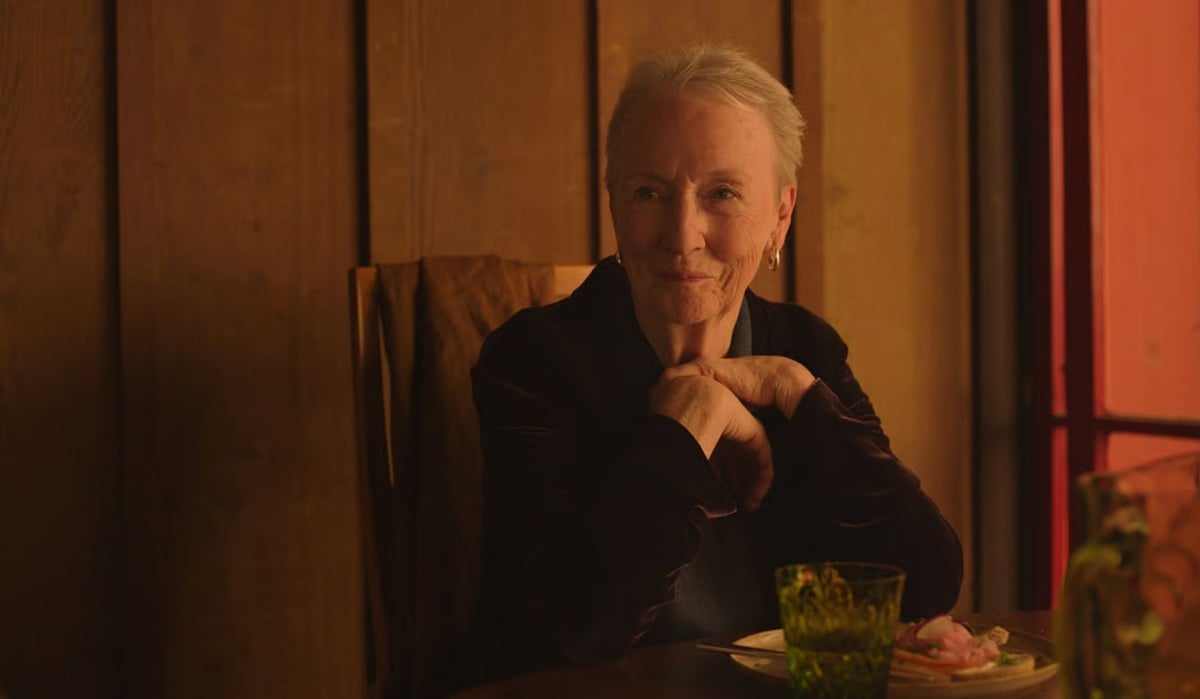
According to a line of philosophical thought dating back to at least Descartes, there are no such things as good habits—those unthinking repetitions that betray one’s sense of self-control. Ruth (Kathleen Chalfant), the proud and principled octogenarian protagonist of Sarah Friedland’s tender-without-an-ounce-of-the-mawkish feature debut, would surely agree. A retired cook, she’s accustomed to exercising her will upon the world, but dementia is starting to scramble the boundaries between herself and her environment. So she must habituate to new surroundings—to the warm lighting and earth tones of an upscale but sterile assisted-living facility. Through the strains of this external transition, Friedland’s film pictures an internal one with humility and care. Ruth is no longer a master of her thoughts and actions, and her ingrained habits and rituals—ways of touching, eating, cooking—emerge as physical traces that unlock latent memories and forgotten connections. This is a film that offers quiet, sharply observed insights about the mind and body with 100 percent heart.—Jason Fox
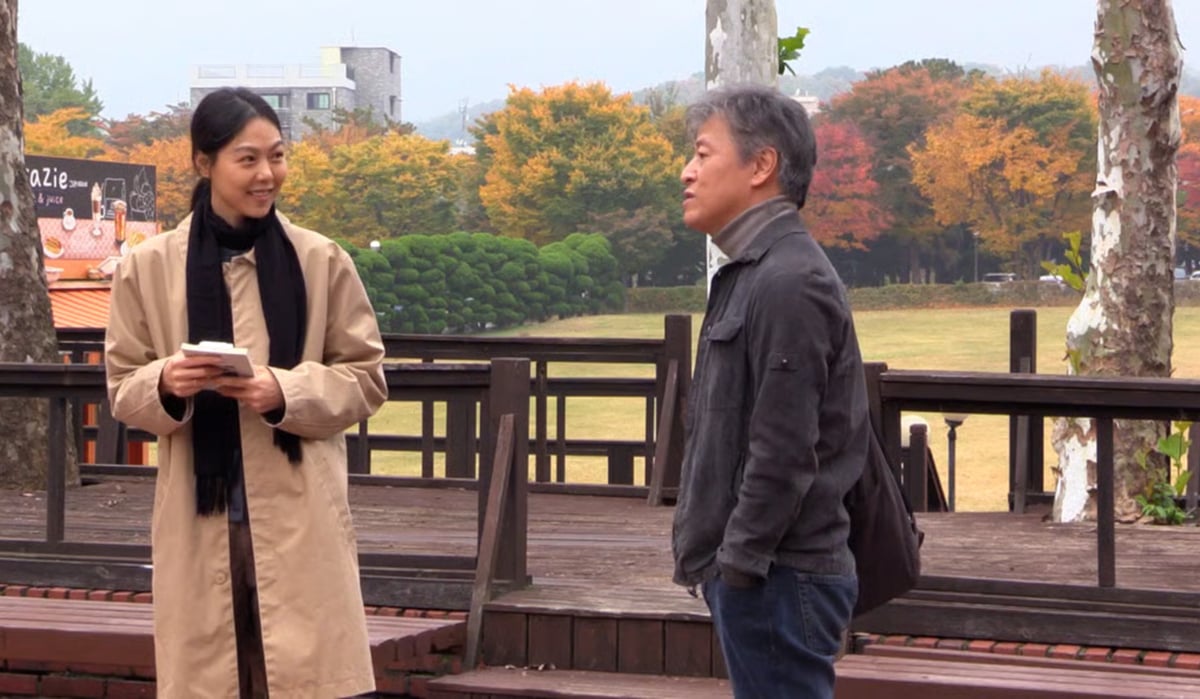
Every so often it happens that a skeptic can no longer deny the evidence in front of her and must become a true believer, even if only temporarily. By the Stream is a film of such delicacy and delight that it had this effect on yours truly, someone who had never before quite bought into the Hong Sangsoo hype. A story of campus theater, avuncular affection, and disruptive romance unfolds in an autumn register full of gentle melancholy, anchored by wonderful performances from Hong regulars Kim Min-hee and Kwon Hae-hyo. In a year of so much film-bro bluster, By the Stream is a welcome reminder of how, in the right hands, smallness can give rise to grandeur.—Erika Balsom

When Henry Fonda scoffs at the idea that he personifies liberal American integrity, he’s performing the same “self-demystification” that critic, curator, and debuting filmmaker Alexander Horwath believes the U.S. is overdue for as a nation. The Austrian director’s method of peeling away the bromides of American exceptionalism is ingenious: he uses Fonda’s filmography and unsanitized family lore to document three centuries of social and political history. Never dull or didactic, Horwath shepherds us from the village of Fonda, New York, named for one of the actor’s colonial ancestors (whom he more or less played in John Ford’s mythologizing Drums Along the Mohawk) to an Omaha lynching indelibly witnessed by a teenage Fonda (echoed on screen in The Ox-Bow Incident), and to the present-day Tombstone of Ford’s My Darling Clementine, where distorted history is reenacted daily for the tourist trade. Perhaps the Fonda film most deliberately evoked here isn’t one of Henry’s, but his son Peter’s Easy Rider: an odyssey through the heart of America that contests our foundational assumptions.—Steven Mears
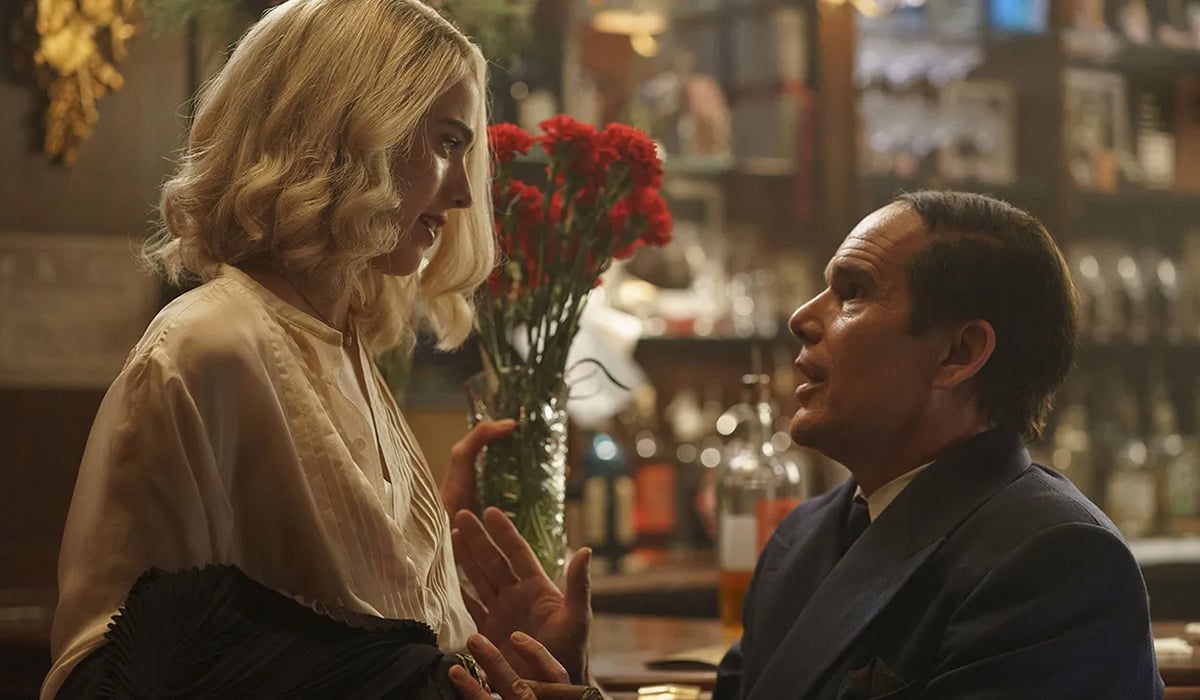
It never entered my mind that an artist biopic, a genre typically clogged with clichés, could so elegantly replicate the cocktail of wit and melancholy in Lorenz Hart’s lyrics. Richard Linklater’s film ensconces us in the cozy, boozy sanctuary of Sardi’s, on the night of the 1943 Broadway debut of “Oklahoma exclamation point,” as Hart snidely refers to his erstwhile creative partner Richard Rodgers’s new collaboration with Oscar Hammerstein II—which he knows will be a smash hit, spelling doom for his own brand of urbane, bittersweet songs. Ethan Hawke miraculously animates Hart’s blend of charm, irrepressible cleverness, and heartbreaking self-delusion. Robert Kaplow’s funny valentine of a screenplay doesn’t waste time psychoanalyzing a self-destructive genius, instead letting us eavesdrop as he expounds on the art of interior rhymes and word choice, and engages in a marathon of verbal duels and duets—my favorite being his exchanges with the wry, soft-spoken kindred spirit E.B. White (Patrick Kennedy). I came out of the theater humming the dialogue, with a song in my heart.—Imogen Sara Smith
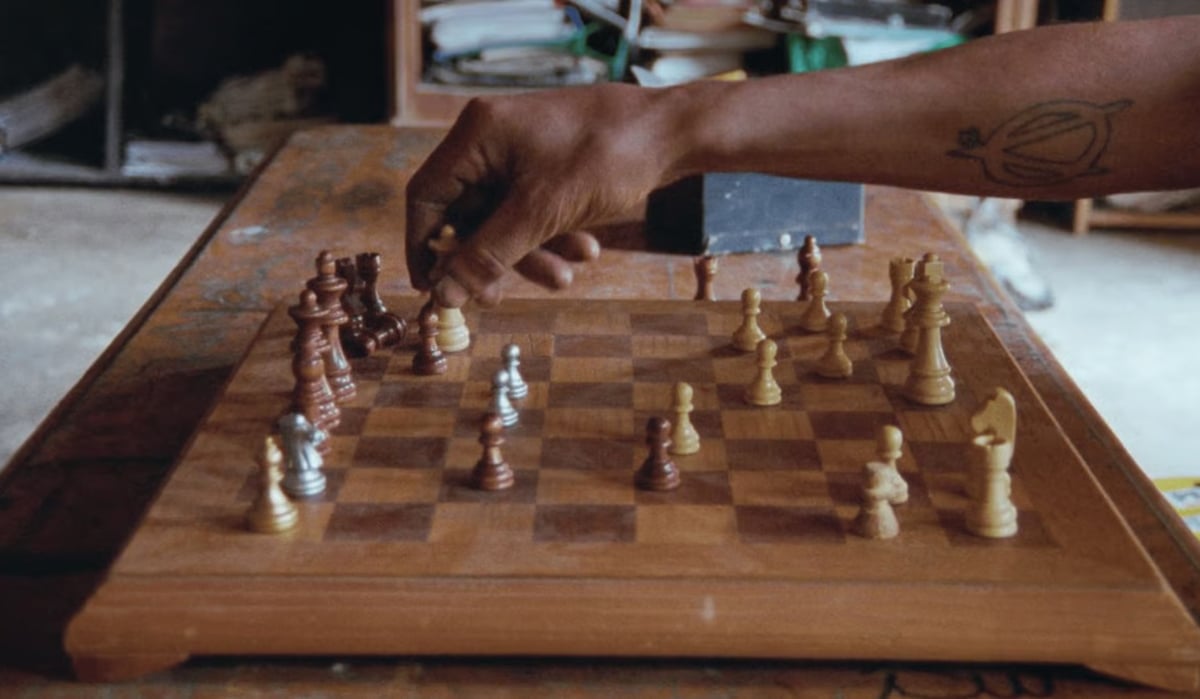
There’s a sly irony to the title of Ben Russell and Guillaume Cailleau’s three-and-a-half-hour documentary. What sounds like a work of shaky-cam, protest-porn agitprop takes, in fact, a more subdued approach to its subject, capturing the quotidian activities of the ZAD (in English, “Zone to Defend”) collective near France’s Atlantic coastline. This anarchist community has spent the past decades successfully fighting—via blockades, sabotage, and other activities now labeled “ecoterrorism” by the state—the clearance of land for the construction of an airport by the French government. But it’s the everyday life in the commune—baking, forging, farming, throwing a kid’s birthday party—that draws Cailleau and Russell’s attention across the film’s epic runtime, comprising only about 40 tightly composed shots. By the time we reach the climactic sequence, in which tens of thousands of protesters clash with hundreds of aggressive cops, these small acts have coalesced into a deeply engaged project of survival and care, as important as the group’s militancy, modeling a comprehensive ethos of resistance in an era of rising fascism.—Leo Goldsmith
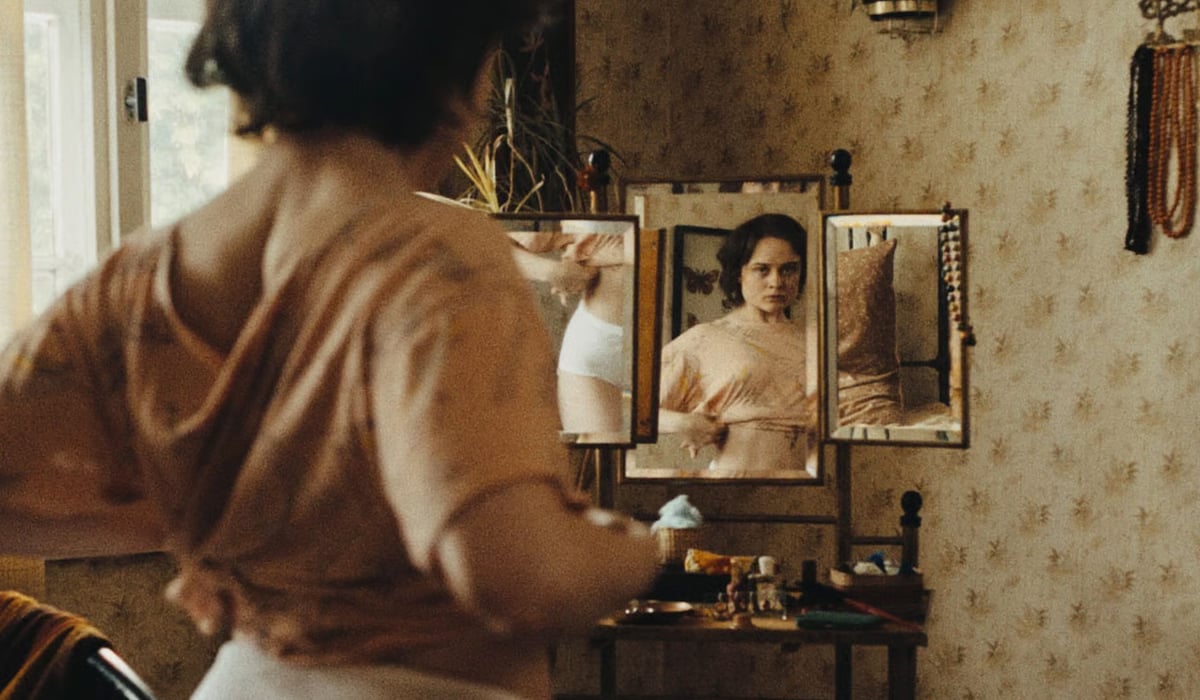
Mascha Schilinski’s Cannes Jury Prize–winner weaves a sinuous path through the travails of multiple eras of girls and women, building into a feverish vision of cross-generational trauma. The same rural eastern German setting is incarnated as a family estate in the 1910s and 1940s, a village in the 1980s, and a vacation home in the present, each realized with exquisite detail. From the opening image of an adolescent girl—a farmhand—gazing at the sweat-beaded torso of an amputee, Schilinski conjures a haunted lyricism from tragedies of war, family, and patriarchal abuse. Forces of control, desire, and abandonment permeate these incidents and charge the film with a dark sensuality, such that pastoral interludes like a river swim or a game of hide-and-seek become existential trapdoors. The film’s magisterial editing links those disparate moments into a larger series of associative bonds across time, granting its protagonists a shared flight.—Kevin B. Lee
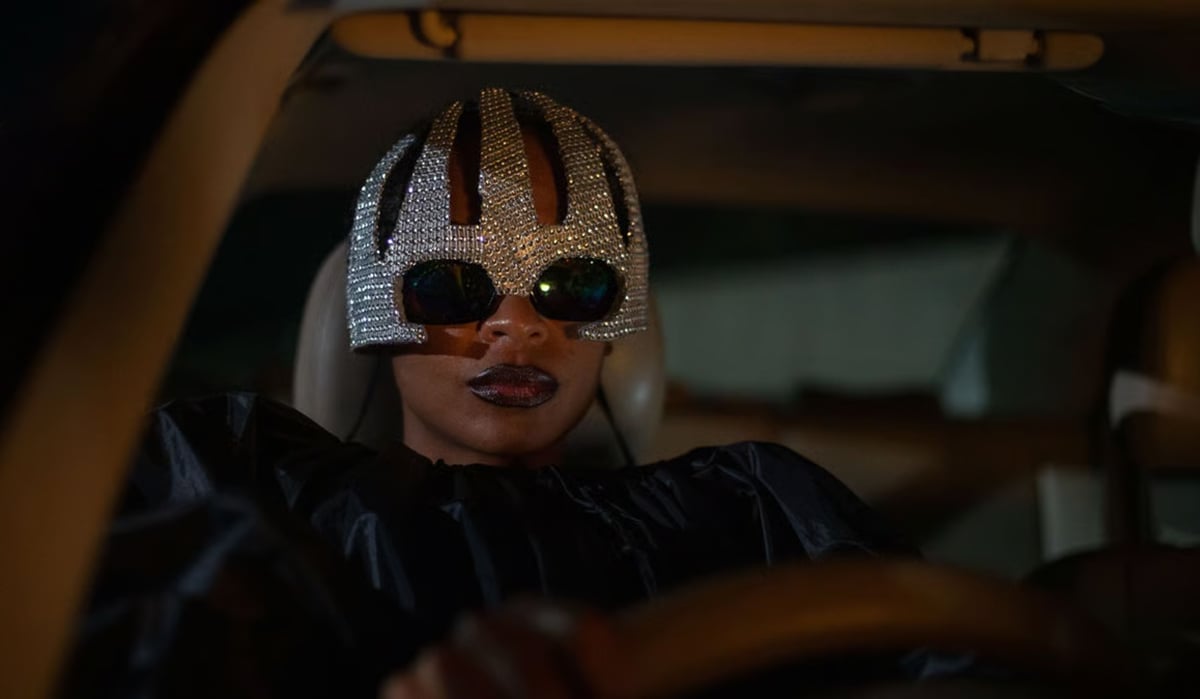
Rungano Nyoni’s offbeat black comedy On Becoming a Guinea Fowl opens with the protagonist, Shula (Susan Chardy), a young Zambian woman, discovering her Uncle Fred’s dead body by an empty dirt road. She’s driving home from a costume party dressed as Missy Elliot from the music video “The Rain,” in a ballooned black suit and a bejeweled helmet. Her deadpan demeanor and inexpressiveness—from the moment she finds Fred’s corpse through the theatrical Zambian mourning rituals and funeral preparations—reveal an unsettling generational wound that festers, unspoken. Not only was Fred a serial rapist, we learn, but the older women of the family have deputized themselves as his protectors, guarding this dark secret. Building on the feminist sensibilities of her debut feature, 2017’s I Am Not a Witch, Nyoni offers an intimate and familiar portrait of the clashes between the aunties and the nieces as they navigate a delicate line between respecting one’s elders and sounding the alarm on patriarchal violence.—Matene Toure