The results are in for our 2023 poll of Film Comment’s contributors! On this page, you’ll find our list of the best films that were released either theatrically or virtually in 2023 in the United States, with original appreciations from our critics, as well as links to features, reviews, and interviews about these films and directors from throughout the year.
Don’t see your favorite? Check out our Best Undistributed Films of 2023 list, featuring works that premiered this year but have not yet announced stateside distribution.
Curious to see who voted and for which films? Check out our voters’ individual ballots.
Also online: critic Leo Goldsmith’s list of the Best Short Films of 2023, and filmmaker and programmer Gina Telaroli’s list of the Best Restorations of 2023.
And finally, don’t miss our Best of 2023 Countdown Podcast, featuring guest critics Amy Taubin and Bilge Ebiri.
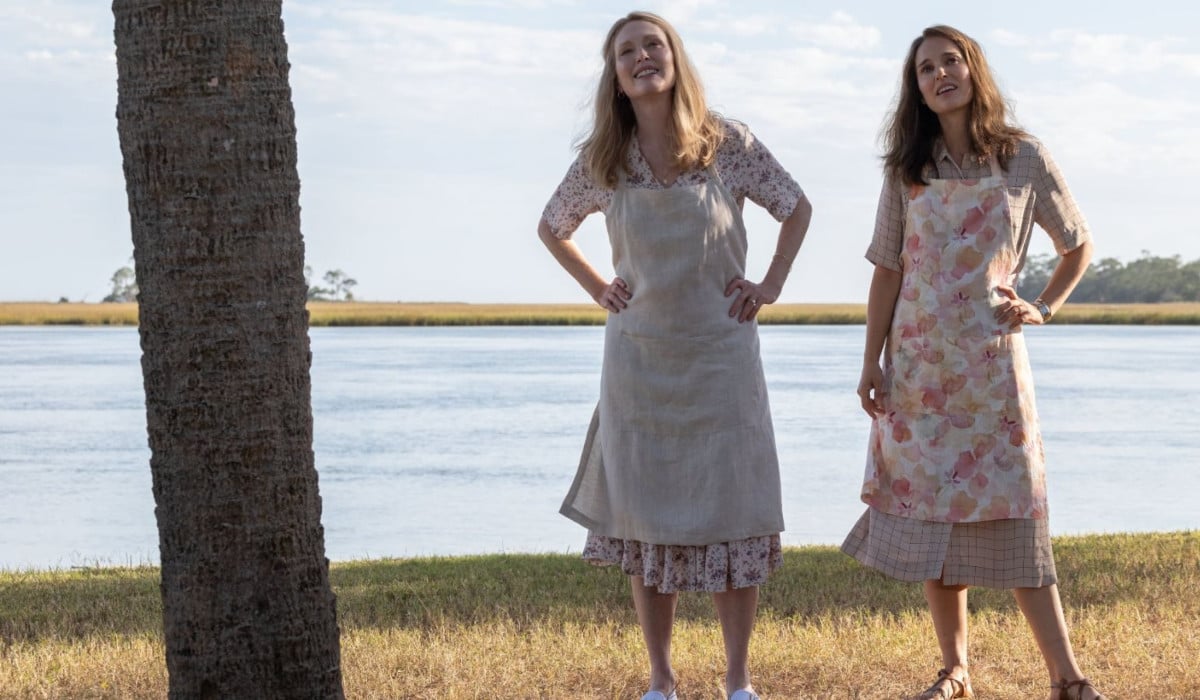
Thirty-five years ago, Todd Haynes used Barbie dolls to tell the tragic tale of Karen Carpenter, deploying the medium as the message: Carpenter’s objectification was no longer subtext but the text itself, confronted by the spectator without the refuge of metaphor. Haynes’s new film tells yet another story of abuse and celebrity, this time with real (and very fine) actresses, though their characters might as well be dolls. The manicured exteriors of the protagonists—Julianne Moore plays a woman who began dating her now-husband when she was in her thirties and he was 12; Natalie Portman plays an actress preparing for a movie about the tabloid-fueled scandal—reveal little about their inner lives. The soap-operatic shock of the score (lifted from Joseph Losey’s The Go-Between) and the prurient premise, layered with cinematic allusions, make every moment in May December feel charged with significance. But there is no real meaning to be found here, only the frenzy of meaning-making—a desperate search for order in the murk of power and desire. Haynes understands that in a world of polished surfaces, looking for depth is a fool’s errand. All there is to see is one’s own reflection.—Devika Girish
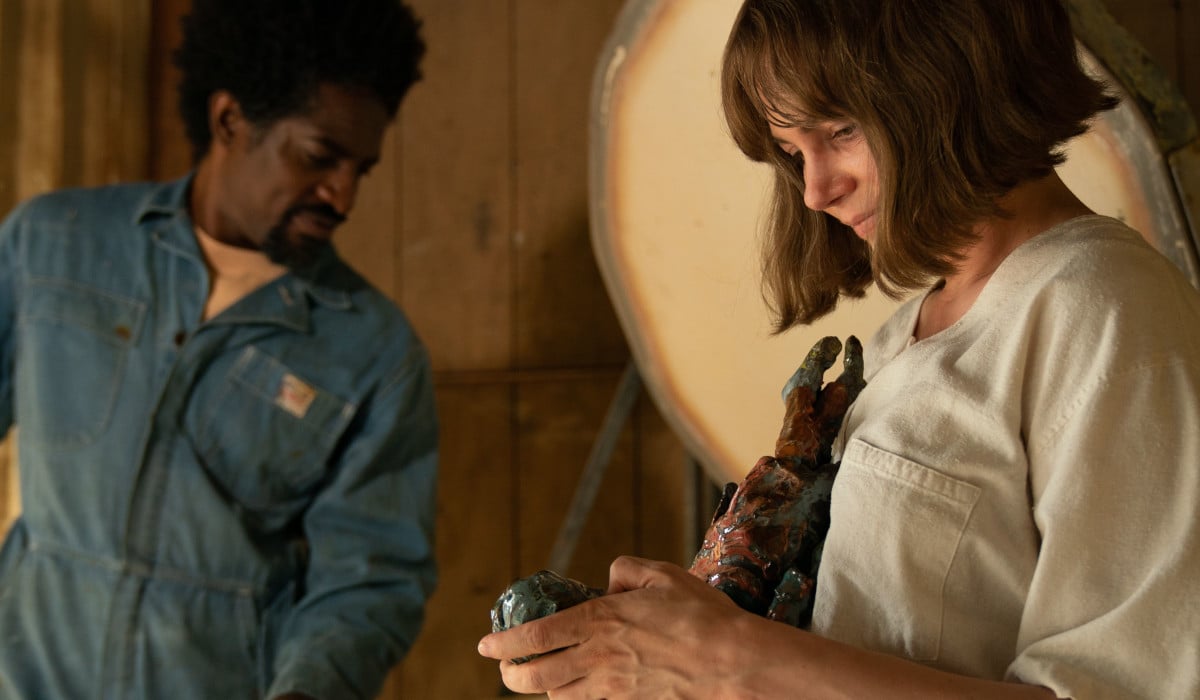
In the hands of a different director, Showing Up might have played like yet another Sundance-style indie: a film packed with quirky characters (including an injured pigeon) and snappy, self-lacerating one-liners about the bougie artists of Portland, Oregon. But, as expected, Kelly Reichardt finds a way to complicate and enrich this premise, crafting a portrait of an artist in 2023 that is at once moving, funny, and politically precise. An onslaught of social, familial, professional, and economic pressures buzz like flies around sculptor Lizzy (a simultaneously dour and fierce Michelle Williams) as she tries to carve out time to complete work for a small—but, for her, significant—gallery show. These brief moments of creative labor become laden with significance, each handwrought ceramic sculpture a testament to the role of art as a bulwark against the inane cult of efficiency dictated by modern life. As in her previous feature, First Cow (2019), Reichardt incisively surveys the ever-porous boundary between the personal and the political, and the ways in which creative practice is inextricable from community—even if you’re a misanthrope.—Clinton Krute

Martin Scorsese is a connoisseur of terrible men—greedy, envious, racist men who believe that the good fortune of anyone else is a threat to their very existence. Merging the crime and western genres with a melodrama of marital love, disavowal, and betrayal, Scorsese mobilizes a lifelong passion for motion pictures, collaborators long dedicated to his vision (in particular, editor Thelma Schoonmaker), and a trio of bold and subtle actors—Lily Gladstone, Leonardo DiCaprio, and Robert De Niro—to reveal a buried episode in America’s dark history of exploitation and dehumanization of people of color. The robbery and mass murder of the Osage people in the 1920s is told with wrenching, tragic detail, but anyone who thinks this is the ancient past has missed the resemblance of smarmy “King” Hale (De Niro in his most chilling performance) to the current Speaker of the U.S. House of Representatives, and to dozens of other desperados of white male privilege.—Amy Taubin

Like many of Aki Kaurismäki’s films, Fallen Leaves is a slender tale of underclass melancholy. There’s little dialogue but plentiful music, often emanating from a jukebox. All of the furnishings seem to come from before 1970. There is a lot of drinking, perhaps too much: an alcohol problem is one of the obstacles threatening the union of Holappa (Jussi Vatanen), a depressed construction laborer, and Ansa (Alma Pöysti), a wistful grocery-store worker. So, too, are crooked bosses, underemployment, and the awkwardness that separates two loners at a bar. But Holappa bravely asks Ansa out—to the movies, of course. They watch Jim Jarmusch’s The Dead Don’t Die (2019), stoically. The theater also advertises Contempt (1963), Brief Encounter (1945), and the B-movie classic Lost Continent (1951): an inventory of the Finnish director’s mind. In Ansa’s kitchen, the radio plays news of the war in Ukraine. The outlook is bleak, but Ansa and Holappa find their unlikely way to each other. “To be truly radical is to make hope possible rather than despair inevitable,” Raymond Williams once wrote. For Kaurismäki, hope can be found in the cinema, a place where people of meager means can enjoy a couple hours (or 81 minutes, in this case) of warmth.—Genevieve Yue
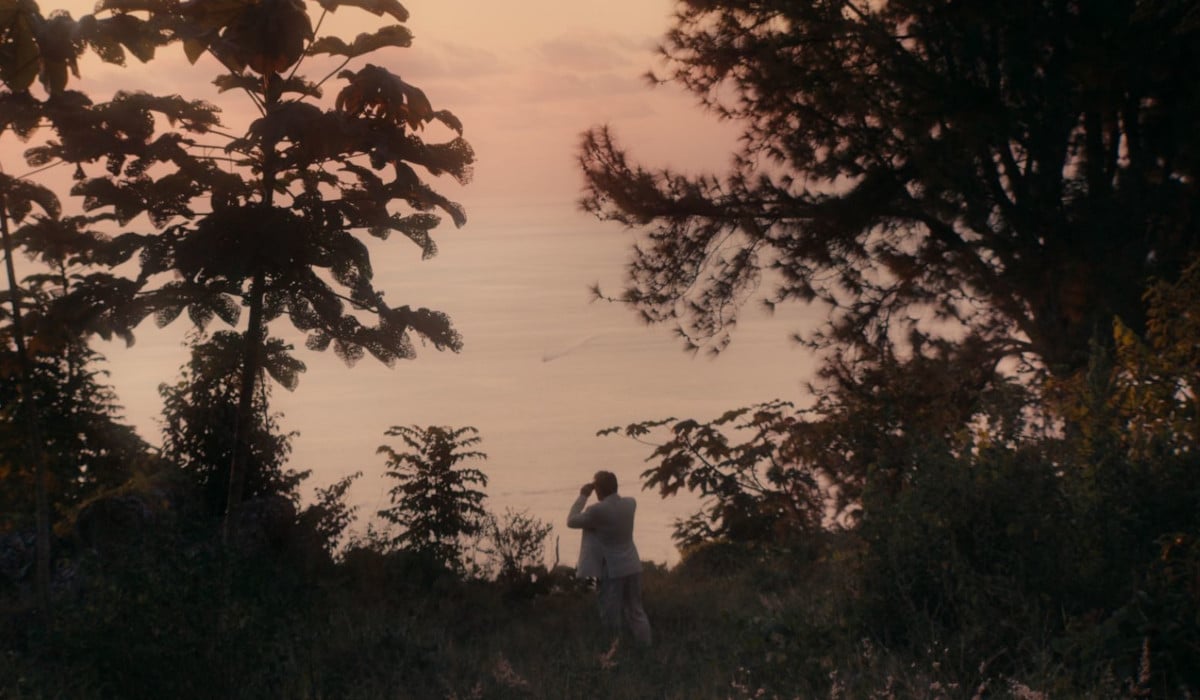
Catalan conceptualist Albert Serra steps away from the slow severity of his previous efforts (Liberté, The Death of Louis XIV) to offer a lushly entertaining, surprisingly spectacular quasi-thriller, with a magisterially louche Benoît Magimel as a French diplomat embroiled in murky night moves in Polynesia. Shot by Artur Tort in colors that suggest a cocktail shaker’s version of Gauguin, and soundtracked to lounge exotica and ambient techno throb, the film evokes a mood of postcolonial decadence—a heady brew of soft power and nuclear anxiety—while a breathtaking surf sequence shows that European art cinema can sometimes trump the blockbuster machine when it comes to gasp-inducing immersiveness.—Jonathan Romney
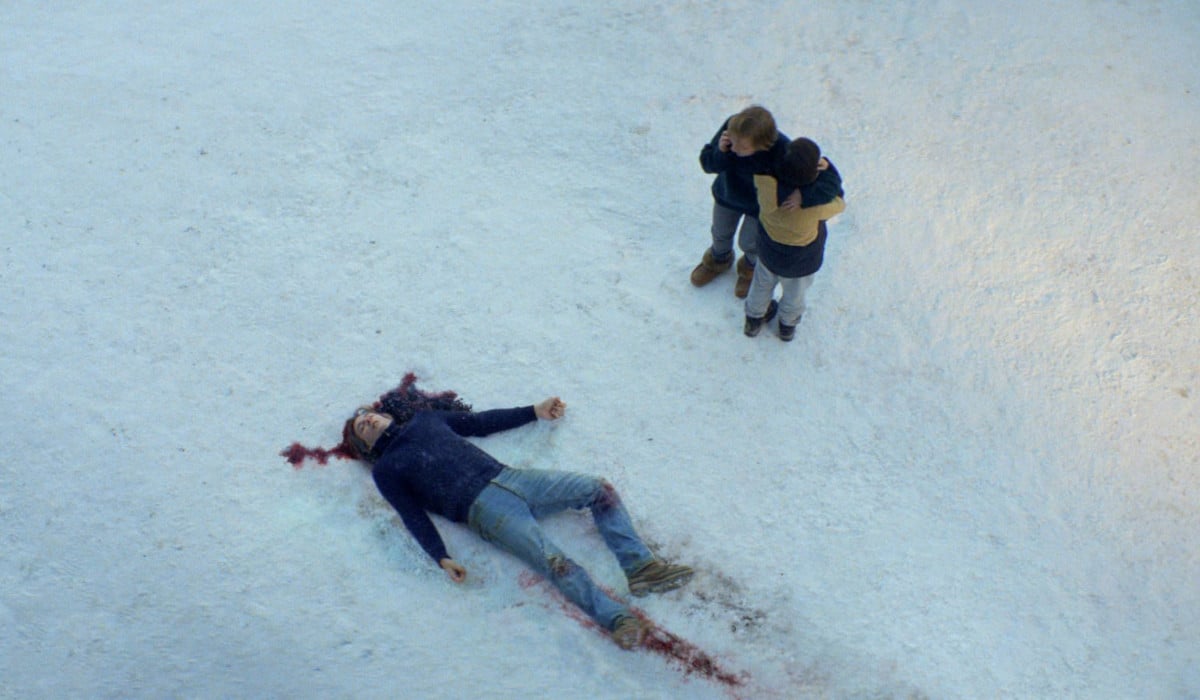
’Tis the season of Sandra Hüller. In Anatomy of a Fall, her second collaboration with Justine Triet, Hüller jostles the senses as Sandra Voyter, a charismatic yet aloof novelist whose husband turns up dead. Suspicions of foul play loom over the ensuing trial, but Triet rejects the explosive thrills of traditional whodunits. Instead, Hüller portrays a character who refuses the mantle of victimhood, expertly unspooling her simmering grief, fury, and disappointment with a spouse who both resented her success and anchored her life. Triet, who co-wrote the film with her own partner and frequent collaborator Arthur Harari, has described it as an “exorcism”—a space in which the couple could channel their own fears and anguish. “I’m not a monster,” Voyter pleads to her son, after her autofictional art is weaponized against her in court. Yet Voyter’s morals remain beside the point here. A thrilling, if harrowing, ride of a film, Anatomy of a Fall is as much about the weight of blame as it is about the muzzle of optics.—Dessane Lopez Cassell
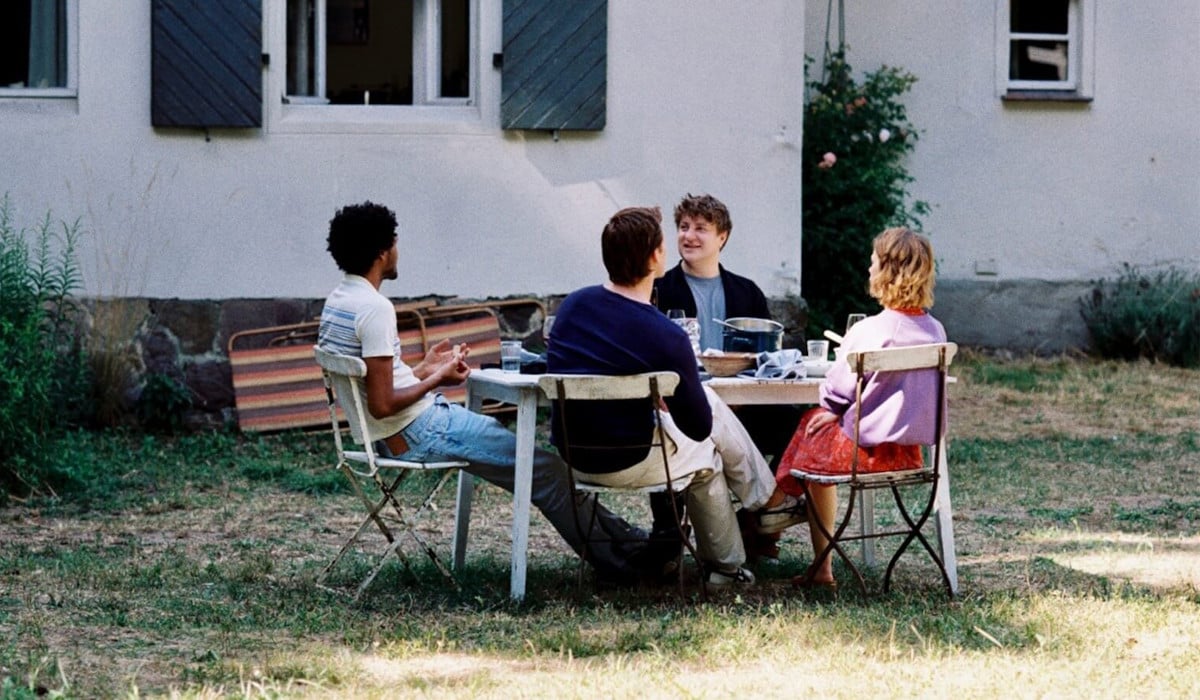
Saluting the vacation films of Éric Rohmer, Christian Petzold has crafted an intimate summer tale that builds gracefully from petty embarrassments and breezy joys to elemental themes of love, death, nature, and art. His funniest script yet slyly skewers its protagonist (brilliantly played by Thomas Schubert), an insecure and self-absorbed writer whose bungling is thrown into high relief by a woman (Paula Beer) who is his intellectual and moral superior. A sense of foreboding lurks beneath the comedy of his errors, from an opening scene that strands two young Berliners deep in the woods, unnerved by eerie noises and ominous helicopters, to the apocalyptic climax. Forest fires encroaching on an idyllic seaside retreat raise the specter of climate change. While Petzold’s films have always been haunted by the phantoms of history, Afire looks uneasily to the future, with a warning planted by the first spoken line: “Something’s not right.”—Imogen Sara Smith
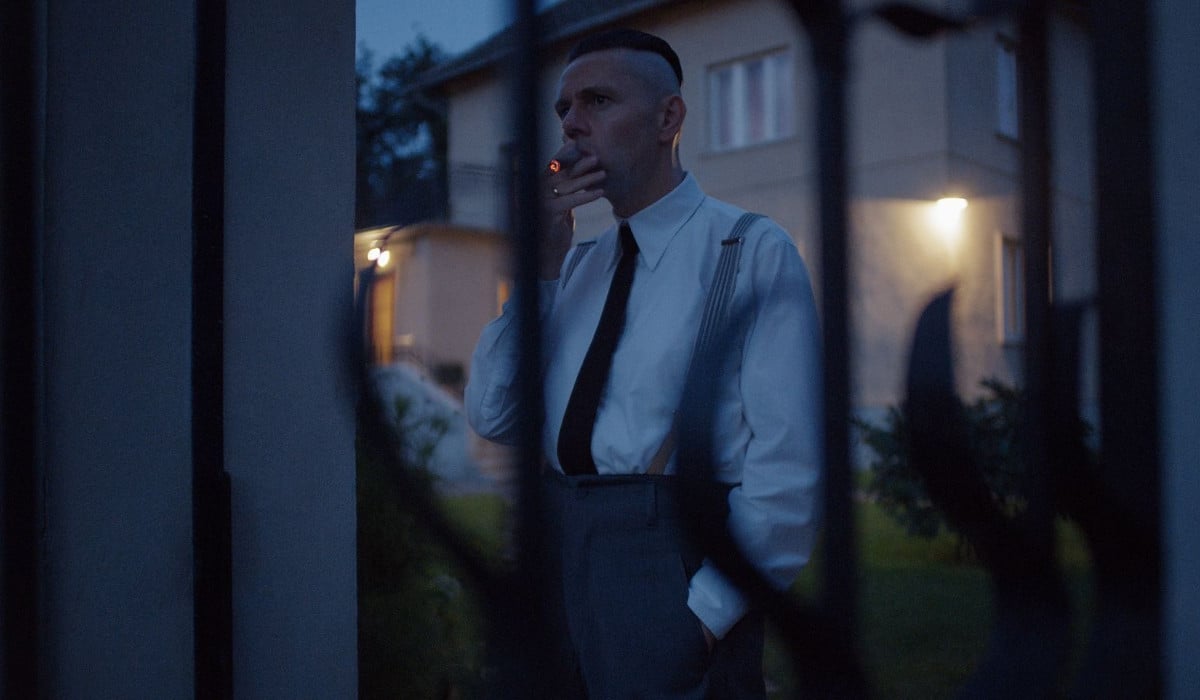
The deadpan descriptive press-release says it best: “The commandant of Auschwitz, Rudolf Höss, and his wife Hedwig, strive to build a dream life for their family in a house and garden next to the camp.” An observational film addressing the ethics of representation and banality of evil head-on, The Zone of Interest is less adaptation than critique of Martin Amis’s stunt novel (well-connected cad falls for the idiot commandant’s wife, who turns out to be anti-Nazi at heart). There are no free passes in Jonathan Glazer’s Zone, least of all for him. The filmmaking is quietly brilliant, especially Johnnie Burn’s sound design, but with no figures of identification apart from Rudi and Hedy, The Zone of Interest is also a test for the audience. How many of us can say that we do not live comfortably in—and profit from—a state of historical denial?—J. Hoberman
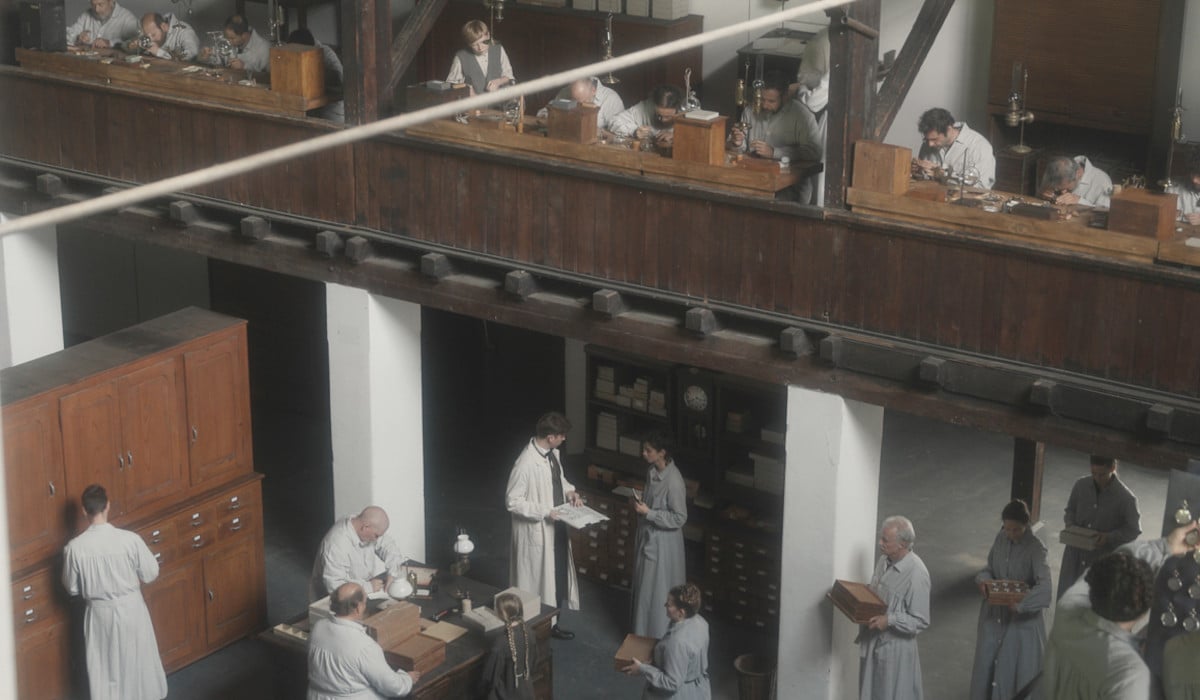
One of the rare happy developments in a world gone to shit these past few years, at least here in the U.S., has been a conspicuous uptick in unionization and labor power across industries. What timing: Cyril Schäublin’s 1870s-set Unrest follows workers at a watch factory in the Swiss horological hub of Saint-Imier as they organize and, increasingly, turn to anarchism. As finely calibrated as his 2017 portrait of capitalism Those Who Are Fine, set in a latter-day Zurich call center, Unrest again undertakes the admirable project of placing work front and center on the screen. Harnessing the geometric rigor of Schäublin’s visual style and the discreet richness of its period detailing, Unrest shows us workers doing their jobs, not doing their jobs, and banding together to create something like acceptable working conditions in an age of ruthless exploitation, just a few decades removed from the industrial revolution. Few films have so sophisticatedly critiqued the notion that the immiseration of workers is historically inevitable.—Dan Sullivan

Who gets to own their body in the 21st century? Claire Simon’s uncompromising documentary looks to the gynecological ward of a Parisian public hospital for answers. The veteran French filmmaker recasts routine office visits as invigorating chamber dramas: doctors and patients assume roles as heroes and innocents, guardians and outlaws. Their interactions attest to the complexities of the corporeal form, the preciousness of time, and the subtle warfare waged by government injunctions on healthcare access. Simon observes her subjects—who encompass a wide range of ages, classes, races, ethnicities, sexualities, gender identities—and eventually, herself, with compassion and a keen awareness of the stakes. Our Body’s spare and undramatic style coaxes viewers to reckon with the urgency of its central thesis: that having a body is not the same as owning it.—Lovia Gyarkye
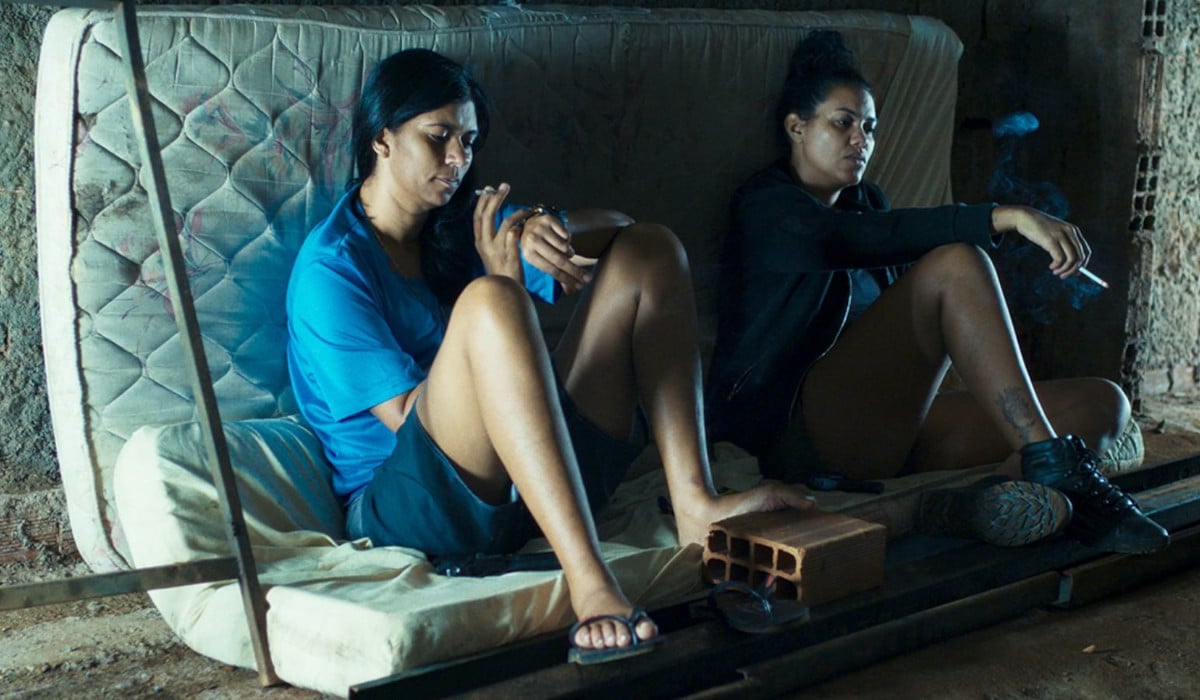
Toward the end of Dry Ground Burning, half-sisters Chitara and Léa discuss their children, who never appear in the film. It’s for them that they hustle with their notorious all-female biker gang in the favelas of Ceilândia, in central Brazil, siphoning and selling stolen oil—the substance which built the nation that declares them criminals. This oil, appropriated for their own ends, lets them imagine an alternate world in which the imprisoned rise against their wardens. Their comrade Andreia, leader of the Prison People Party, makes their demands clear: end the police curfew! A ballot box in every prison! Wipe everyone’s slate clean! Make partying free, and legalize stoppies in the street! But these jubilant visions cannot mend the absences in Chitara and Léa’s lives, which chain them to a harsh, unliberated reality. Meanwhile, somewhere else in the night, children dream of the mothers they haven’t met in years, who are sung of in the streets as warriors and queens.—Emerson Goo
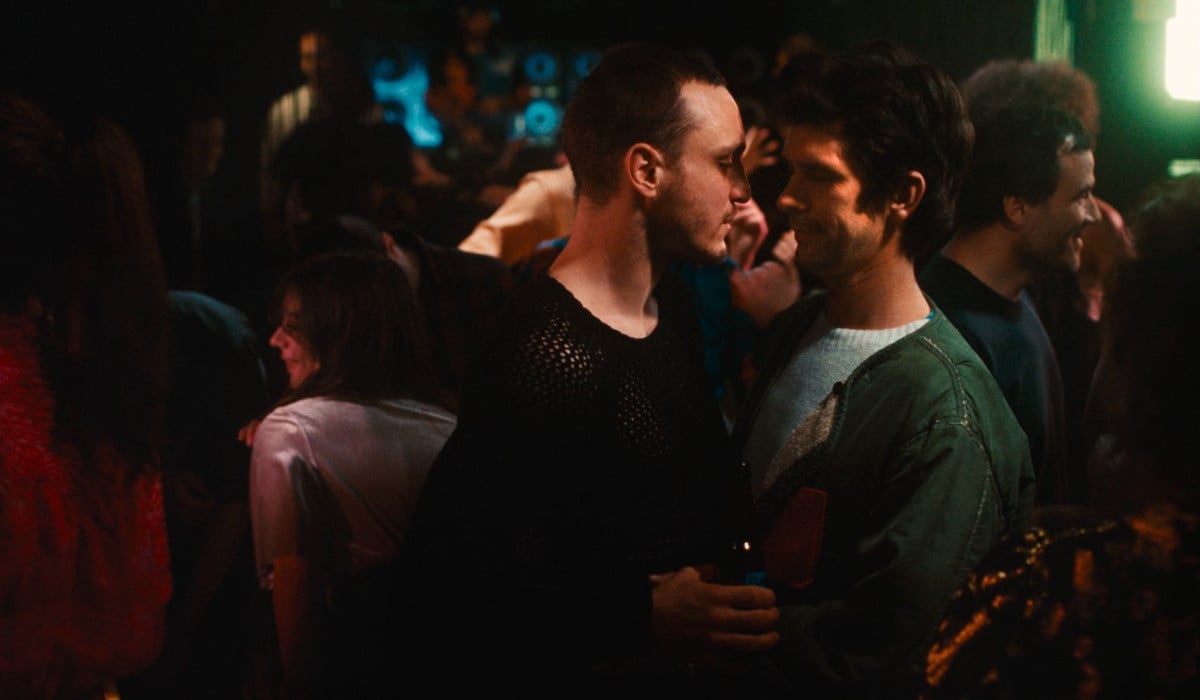
Passages—the latest exploration of grown-up intimacy from co-writer/director Ira Sachs—wastes no time. Tomas (played with discernible relish by Franz Rogowski), an impetuous filmmaker based in Paris, returns home one morning to tell his husband Martin (Ben Whishaw) that he has slept with a woman, Agathe (Adèle Exarchopoulos), a primary schoolteacher. He plans to begin a relationship with her and yet refuses—at least at first—to give up Martin. By now we know Tomas to be a magnetic but mercurial man, single-minded in the pursuit of his own pleasure. His graceless attempt to maintain both his marriage and his new love culminates in a harrowing, all-too-visceral portrait of desire, a current that can buoy as easily as it can drown. Apart from its sleek, economical storytelling and intricate characterization, the film owes much of its success to its three central performances, breathing life into characters who, for all their recklessness, embody a core truth: once you’ve had a taste, nothing is harder to relinquish than love.—Kelli Weston
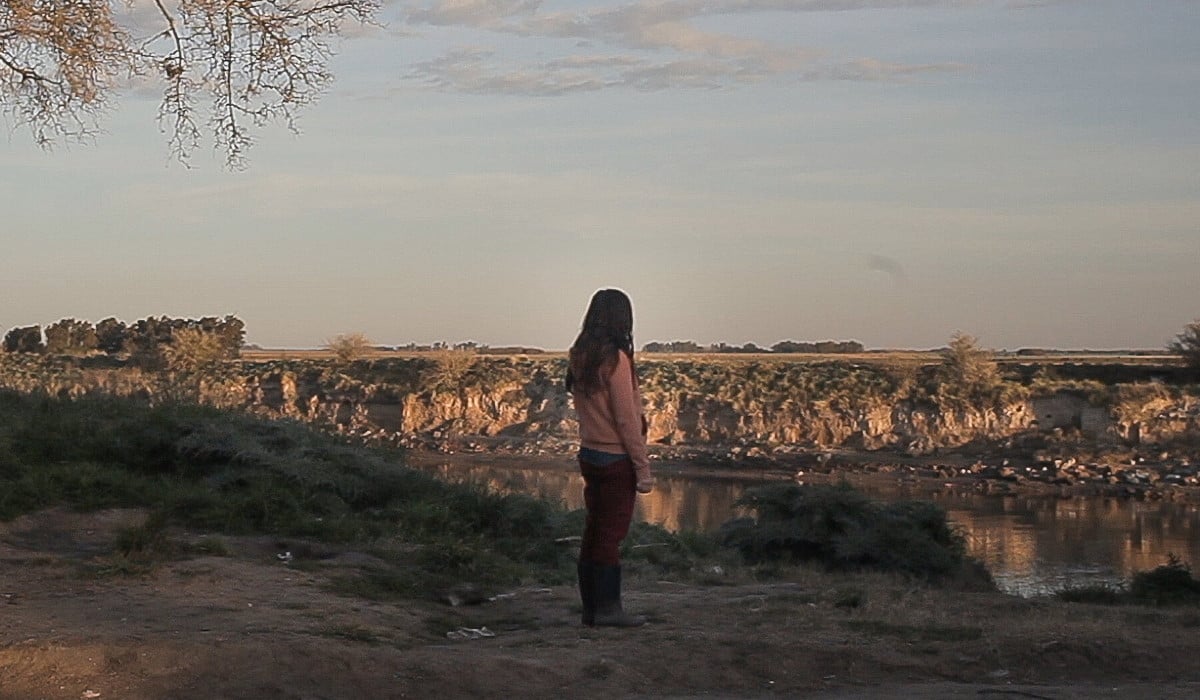
One recognizable strand of 21st-century art cinema pairs dilated duration with a barely-there narrative. For over two decades now, Argentina’s El Pampero Cine group has been bucking the trend insistently, delving into the intricacies of storytelling and the pleasure of mixing genres. In Trenque Lauquen, perhaps their strongest outing yet, Laura Citarella delivers a 12-chapter, two-part tale of a woman who goes missing from the titular Argentine city. This spiraling, nested mystery is weird, engrossing, moving, and unpredictable. Across a running time of 262 minutes, it never arrives at anything like a resolution—and is all the better for it. I tend to agree with those film theorists of the 1920s who argued that literariness is an undesirable quality in cinema. The seductive inventions of Trenque Lauquen make me think again.—Erika Balsom
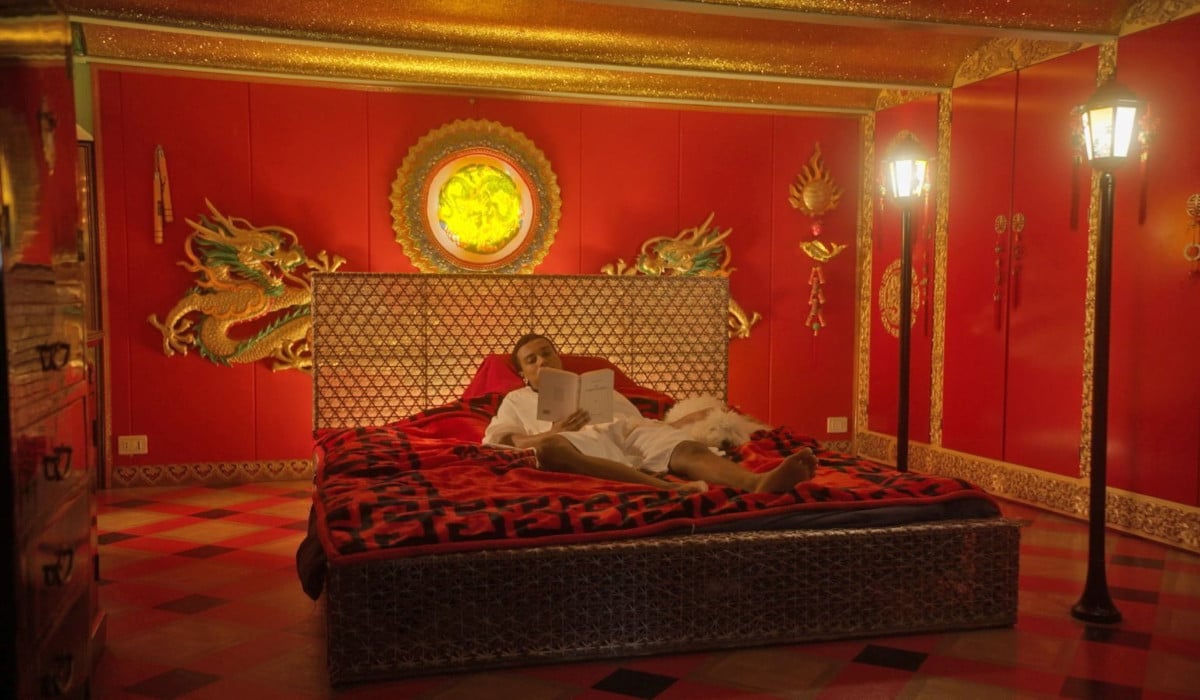
In this reimagining of Virginia Woolf’s classic 1928 text Orlando—in which an androgynous poet changes their gender and lives for centuries—theorist and philosopher Paul B. Preciado presents a fresh politics of gender fluidity, wherein Woolf’s liquescent protagonist is poured into a cast of intergenerational trans and nonbinary people. Nearly all of them assume the role in a direct address to the audience: “Hello, I am [X]. In this film, I’ll be Virginia Woolf’s Orlando.” The elastic, free-form quality of this adaptation and its faculty of Orlandos is both playful and diligent toward its source material, assuming the posture of the groundbreaking novel while widening its scope to usher in the queer youth of today with affection.—Saffron Maeve
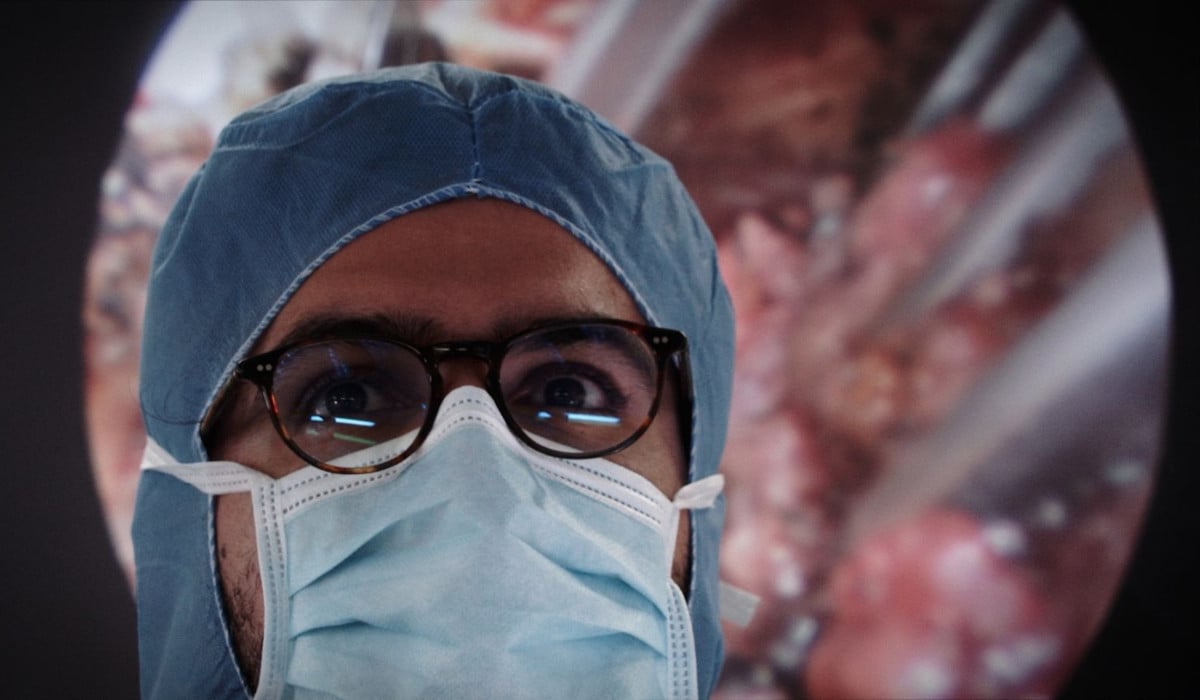
After taking the commercial-fishing documentary and biographical-portrait film to new extremes in Leviathan (2012) and Caniba (2017), Lucien Castaing-Taylor and Véréna Paravel have, with De humani corporis fabrica, fashioned an equally bracing aesthetic experience from a far more universal subject: the human body. Shot at several hospitals in and around Paris over the course of five years, the film plunges the viewer into the far reaches of our anatomy as Castaing-Taylor and Paravel document—with the help of specially made digital cameras—a number of surgical procedures and operating-room routines that, captured in graphic detail, ascend to a level of cinematic spectacle to rival any modern blockbuster. But it’s not all blood and guts: just as the images of lanced flesh, splayed viscera, and torn tissue eventually reveal a strangely beautiful essence, so too do the moments of seeming relief that break up the surgery scenes—such as one recurring interlude involving a pair of infirm patients wandering unsupervised through the hospital’s eerily dilapidated hallways—quietly advance the film’s institutional critique.—Jordan Cronk
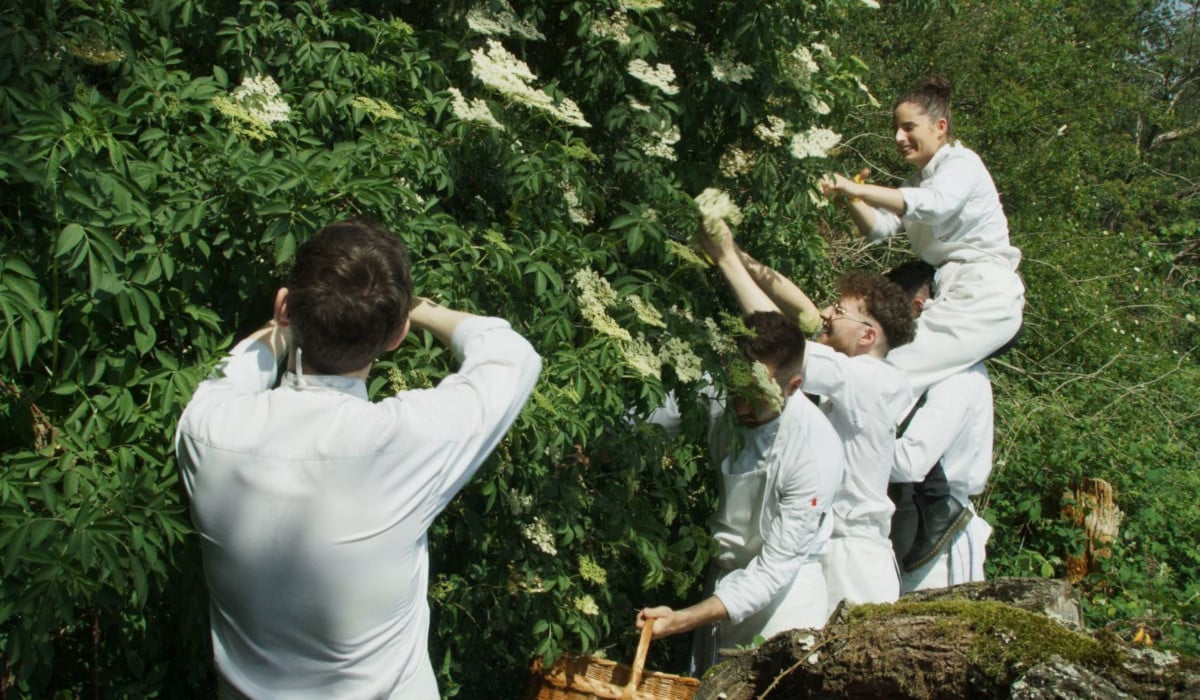
Praise for Frederick Wiseman’s cinema, however well-intended, is so rhetorically consistent that the copy almost writes itself—declaring him a chronicler of august institutions who’s become one in his own right, and unfailingly dubbing his work “miraculous.” All true, but what’s most entrancing about the filmmaker, particularly of late, is his serene indifference to unwritten laws involving cinematic length and pacing, conflict and resolution, thematic underscoring and editorial intervention. He marks his 44th documentary with Menus-Plaisirs – Les Troisgros, a literally farm-to-table study of the artistry and logistics required to run a dynastic, three-Michelin-starred restaurant in central France. True to form, Wiseman tenders a pointillistic food doc longer than Gone with the Wind that forgoes kitchen theatrics in favor of measured gastronomic debates; eschews speechifying on sustainability for visits to private sanctuaries like cheese caves, where preservation is the clear subtext; and resists fashionable nose-thumbing at classist haute cuisine, instead opting for impassive observation of a cross-section of diners united by the unspoken fact of their wealth. Wiseman’s truffle pig–like ability to sniff out drama precludes the need for him to contrive it; now that’s miraculous.—Steven Mears

In Youth (Spring), like in all his works, Wang Bing manages to achieve a paradox: the film is, at the same time, the dumbest (in the Warholian sense) and the most intelligent (in using the intelligence of the camera that Jean Epstein theorized on a century ago); primitive and refined; exasperating and fascinating. Capturing the cramped and rushed work and home lives of twentysomethings who toil at small, privately owned garment factories in China, the film is rather long, but you feel you can watch it forever. It is, simply, observational, but each detail opens up a possible new story—about labor, love, youth, the nation. It is extremely contemporary, and at the same time it recalls a pre-cinematic era with its extraordinary directness. Most of all, it is a deeply sad film—one of the saddest I saw this year.—Radu Jude
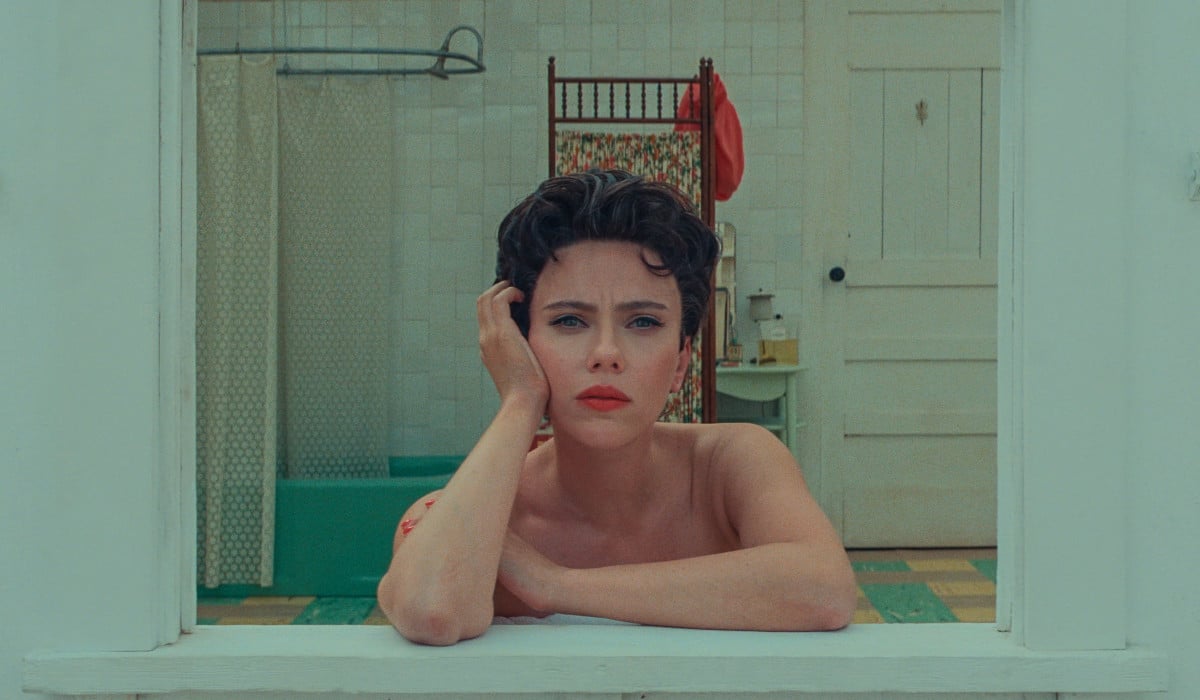
At this year’s Venice Film Festival—on the occasion of the premiere of The Wonderful Story of Henry Sugar, a paroxysm of literary filmmaking—I had the opportunity to talk with director Wes Anderson about his experience of shooting Asteroid City. “The making of that movie was like being under the influence of some spell,” he confessed. “It was kind of a poem that we were making. We were trying to use what’s unconscious, and that’s just about emotions.” This all made sense to me, as some months earlier, on the last day of the Cannes Film Festival, I had found myself rewatching Asteroid City just so I could be led again by playwright Conrad Earp (delicately portrayed by Edward Norton) into the film’s final reverie of creative revelation. In that scene, the actors from the theater company staging a play within the film surrender to Anderson’s quirkiest and most profound mantra yet: “You can’t wake up if you don’t fall asleep!”—Manu Yáñez Murillo
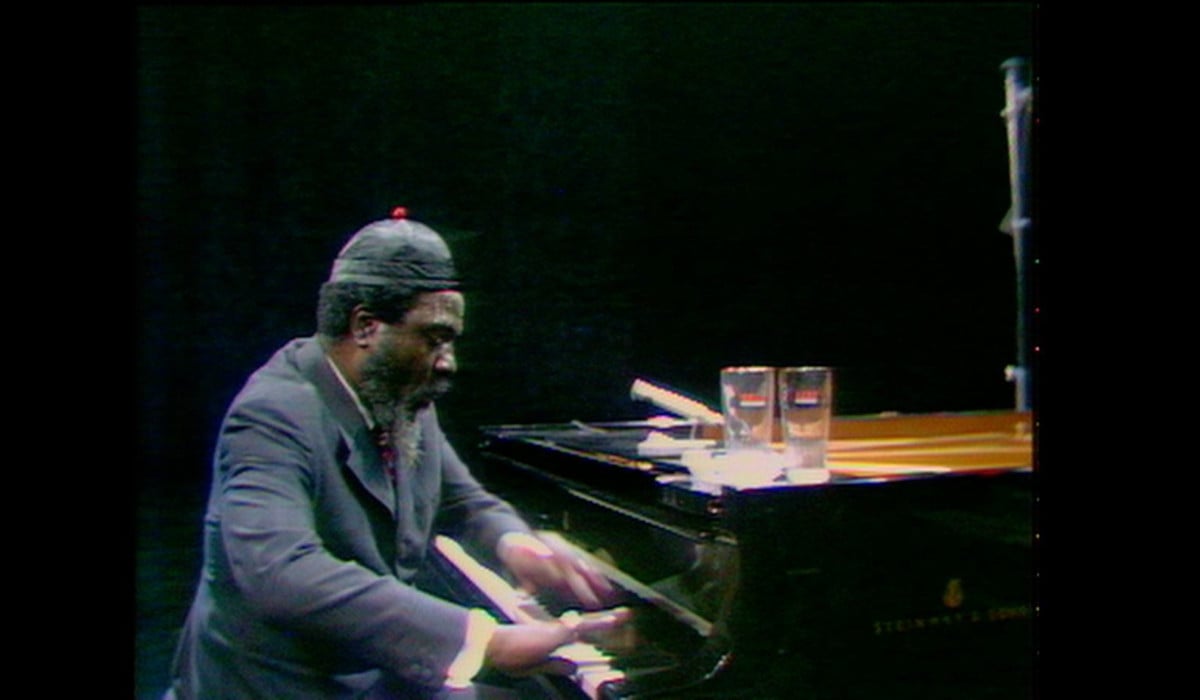
In their 1956 essay “A User’s Guide to Détournement,” Guy Debord and Gil J. Wolman suggested that one could show a film like The Birth of a Nation (1915) with minimal alteration, and only the addition of a critical soundtrack, to expose its racist ideology. In Rewind & Play, Alain Gomis does considerably more than simply find and reintroduce lost archival footage of Thelonious Monk’s 1969 appearance on French TV—he slightly recuts the footage, zooms in on details, and layers audio. Through this resuscitation and recontextualization, Gomis unveils the extractive processes that encircle the Black artist in the spaces of white intelligentsia. Confronted with the sneering superiority and jazz-splaining ingratiation of his white hosts—“Can you say something in French?”—Monk emerges as an awkward and irreconcilable presence. The pianist’s weariness and indefatigability become evident in extreme close-ups of his sweat-drenched face as he humors, endures, and—in the film’s several unexpurgated solo performances—wrenches an extreme and abstract beauty from his body, mind, and instrument.—Leo Goldsmith
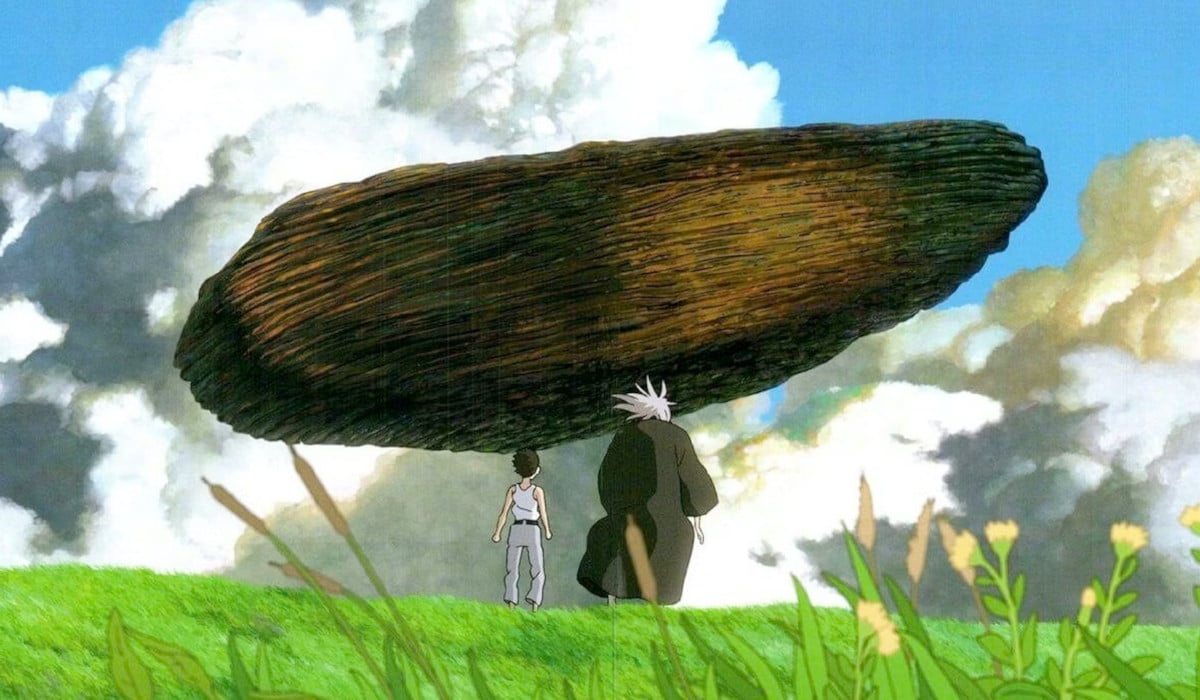
Last year, Miyazaki’s Studio Ghibli opened a park. Miyazaki’s been concerned that people spend too much time indoors, watching his movies. That’s a worry no other filmmaker seems to have. In The Boy and the Heron (the original Japanese title translates to How Do You Live?—perhaps too antagonistic a question to ask global audiences), octogenarian Miyazaki revisits his younger self in the form of a Lewis Carroll–like fantasy. Here, the white-rabbit figure—a heron—is more like a grinning, grotesque Cheshire Cat. Miyazaki gives creatures heightened idiosyncrasies, like an opinionated painter who makes a leaf glow intensely to reveal its specific character more clearly than any photograph could. He loves spring greens, swarms of wild animals, and how children run differently at different ages. This old man, hunched over his desk, smoking, sees the natural world vividly. Other filmmakers give us reasons to go to the movies. In Miyazaki’s cinema, he gives us reasons to go outside.—Dash Shaw