It’s all over. Well, not quite, but the 2010s did come to an end on a note of pessimism about the world, and one of resignation about the film industry’s consolidation and glut of choice. At the same time, beyond the noise, filmmakers pushed cinema to new and strange heights, shaping time and images and telling stories in novel ways.
Behold the 50 best films of the decade, as voted upon by an international group of critics, programmers, and filmmakers. For more on the decade that was, read our January-February issue.
Listen to our Decade Project podcast series.
Read Dennis Lim and Devika Girish on the decade in cinema.
Read our Best Films of 2019 list.
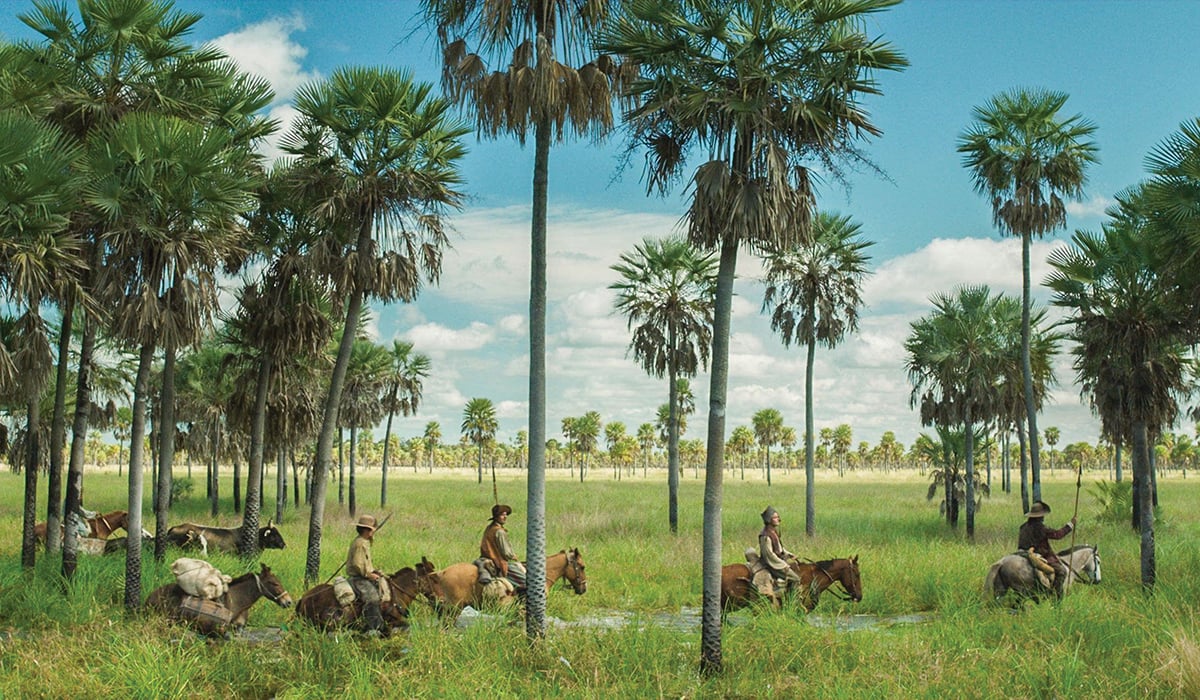
I identify with Zama completely. Because the experience of failure is easy to understand. Because we’re always so exposed to everything that is supposed to happen: youth, beauty, great sex, makeup, clothing. We’re filled with advertisements permanently setting the bar for where we have to get, no? We’re extremely aware of what we can’t accomplish. We’re always seeing things that won’t happen to us. In general, I prefer imperfect, weak, almost bad characters because I feel that there is much more humanity there than in heroes. Good people—good people strike me as the worst in the world.
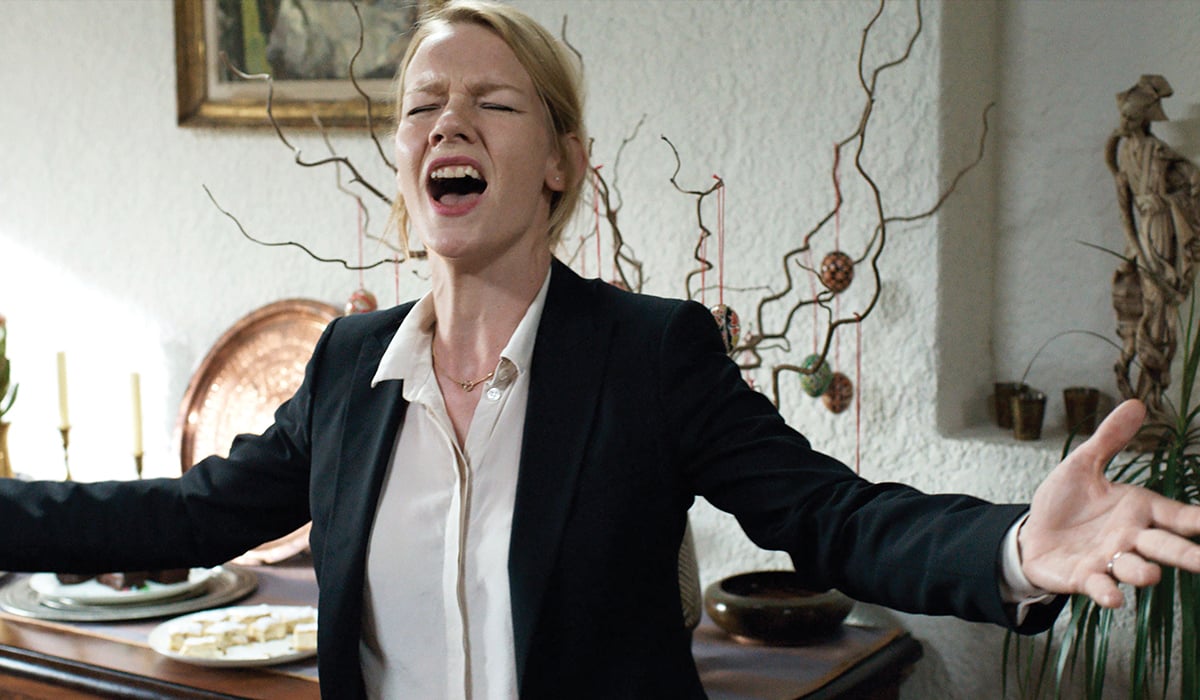
Ade much more than fulfills the promise she showed in her first two features, which, as I remember, weren’t funny at all. Here she pulls out all the stops, from the opening wacko masquerade to the inspired series of comedic setpieces that end the movie, leaving one poised between laughter and tears. It was disheartening—no, it was completely fucked-up—that the festival competition jury awarded no prize to Toni Erdmann, which was by far the most popular film in the competition and which did the near-impossible by uniting entertainment-oriented and art-oriented viewers.

A film about recurrent visions and round-trip journeys: a movie not just about previous incarnations but about the possibilities of multiple and diverging paths into the future and out of the past; about parallel planes, phantom meanings, ghostly return engagements, interspecies transmogrification, and the double life of each and every Apichatpong movie—where the rarified ultramodern Thai art films of tomorrow and the hoary residues of a thousand cheapo Thai ghost movies of the not-so-distant past always seem to collide in a softly glowing neon chimera of everything cinema might possibly be.
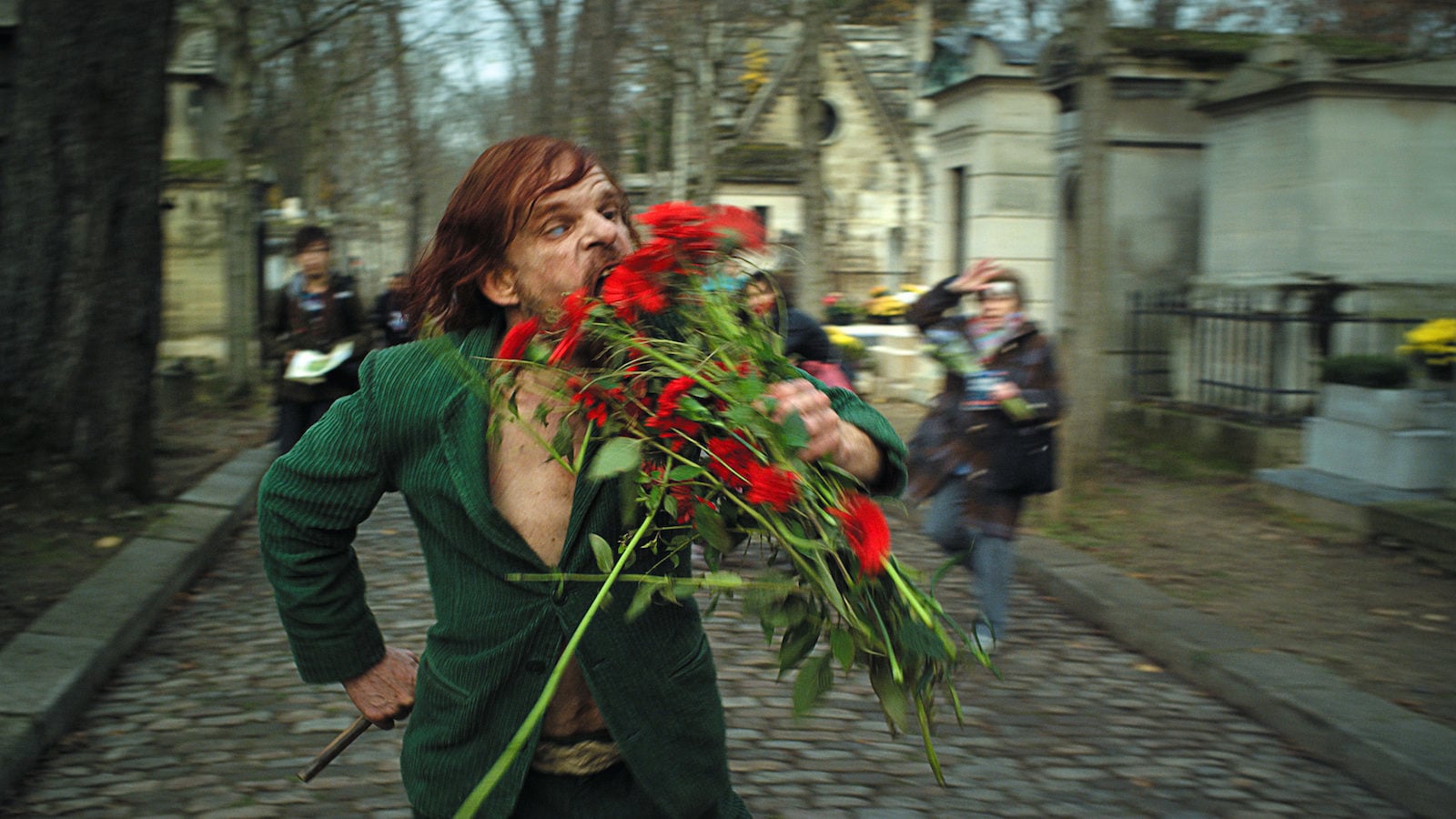
With Holy Motors, Carax has roared back to form, and maybe even surpassed himself. This full-throttle cinematic fever dream stars Carax’s longtime muse Denis Lavant as 11 different characters—or maybe one character with 11 different identities—who crisscrosses Paris in a white stretch limousine over the course of one long, Borgesian, Lynchian day.
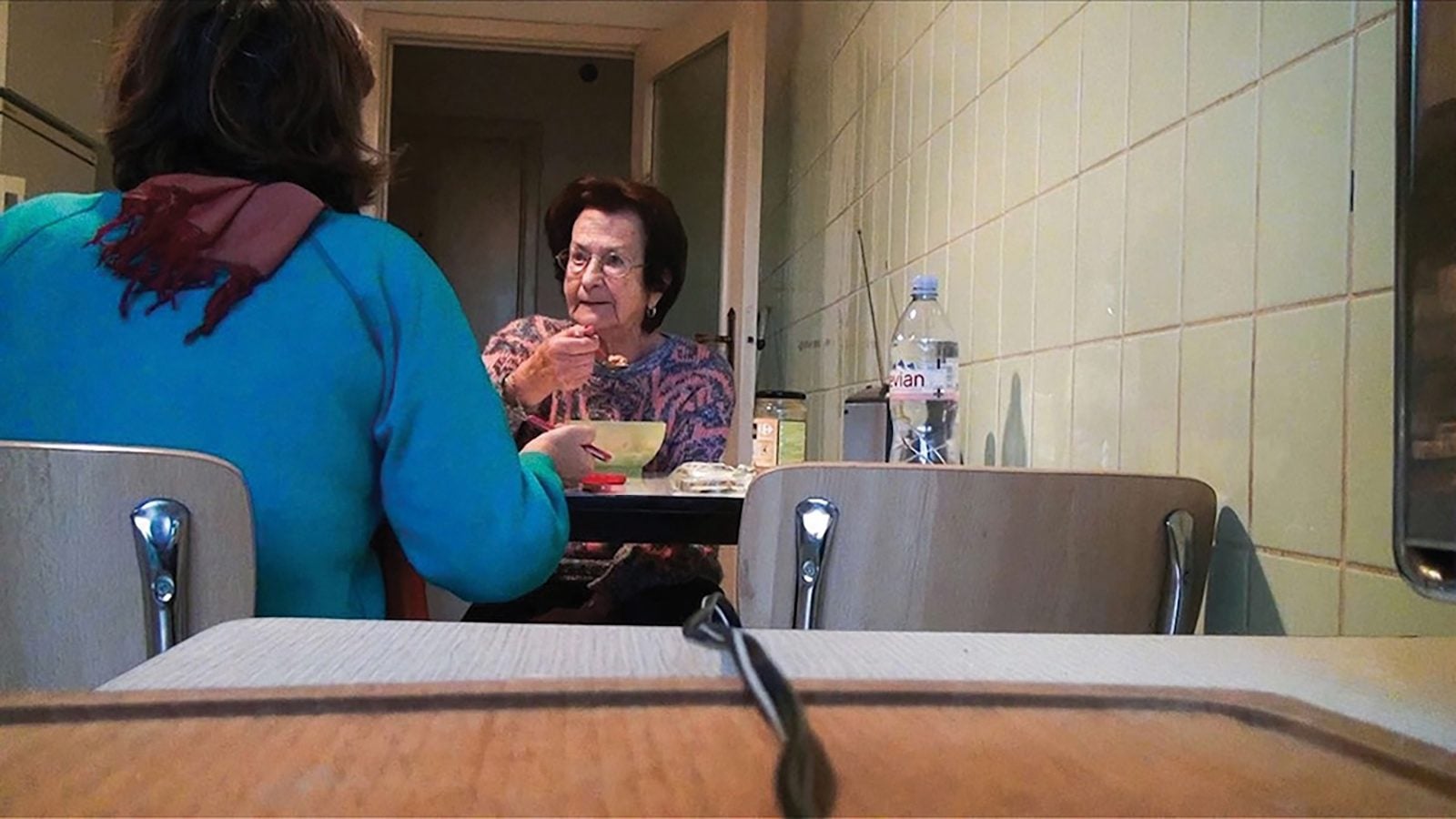
Akerman’s final film, No Home Movie, which in part documents her elderly mother Natalia’s decline in health, is oftentimes painfully intimate. Rather than show the unsavory aspects of the end of life—hospitals, hospices, or the myriad accessories that assist failing bodies—the director focuses on conversations with her mother, and allows her physical decline to speak for itself.

Malick’s film is a transformative vision that happens in the blink of an eye to a middle-aged man named Jack, played by Sean Penn. Its syntax is set to the rhythm of unceasing revelation and unified by a grand consistency of forms (across the span of the film, we are prompted to recognize the same spindly tentacles in a ball of primal energy, in a waving undersea plant, in a dinosaur’s tale, in the branches of trees blowing in the wind, in human hands and fingers) and pathways (ascents, via glass elevators and up flights of stairs, toward discovery, reckoning, transcendence). Temporal continuity is shattered and the 'protagonist' is virtually everyone who steps before the camera. In other words, Malick really is making an attempt—or to put it in punitive blogspeak, 'presuming'— to tell the story of us all.
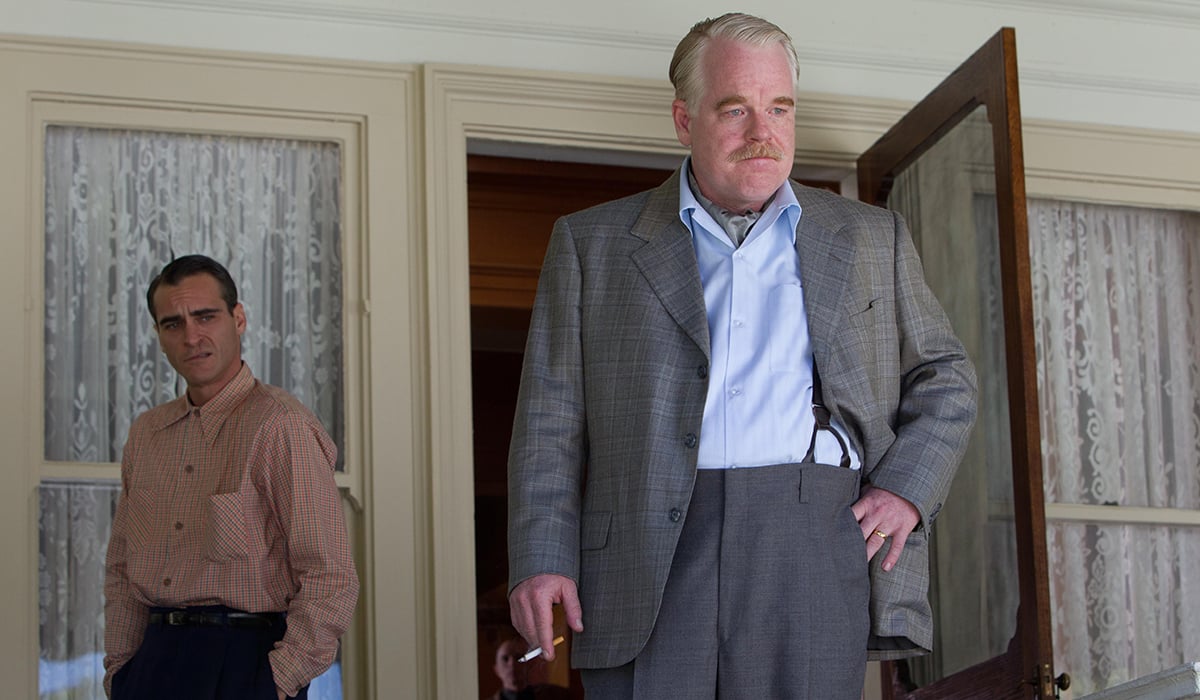
From a purely movie history standpoint, Anderson begins in the land of film noir. We are placed side by side with the kind of troubled vet who populated those films; or, to put it more accurately, with the full-blown realization of what could only be hinted at with William Bendix’s Buzz in The Blue Dahlia or George Cooper’s Mitch in Crossfire, as if their largely unseen but implied actual existences were being opened up to the light of day, one painful section at a time.
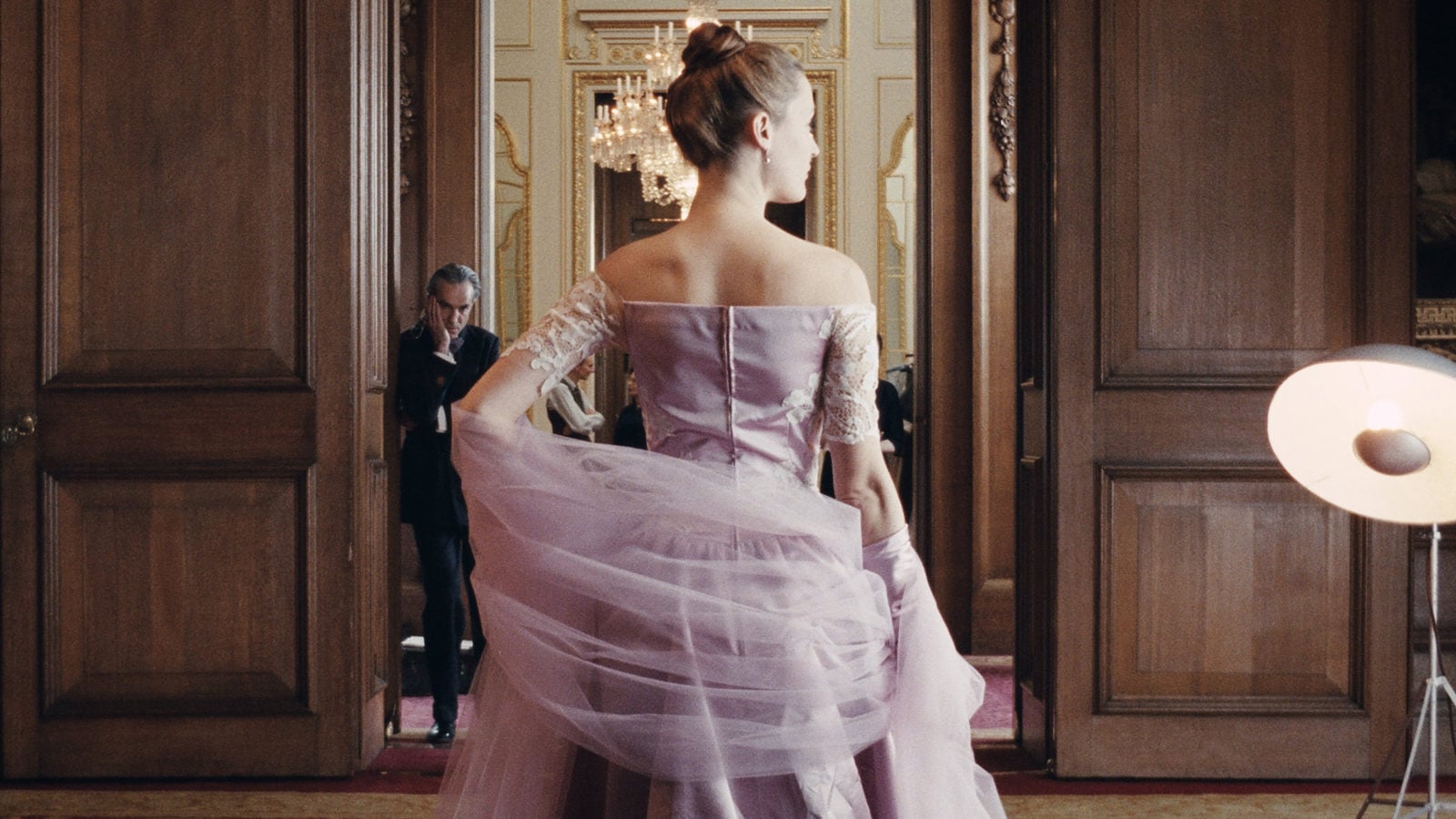
Following on the heels of the gorgeously paranoid Inherent Vice, where the action careens around all of Los Angeles County, Phantom Thread is intimate, quiet, cramped, relying heavily on the interdynamics of the three strong-willed main characters and their push-pull shared power struggles. The character arcs have been set up with meticulous care.
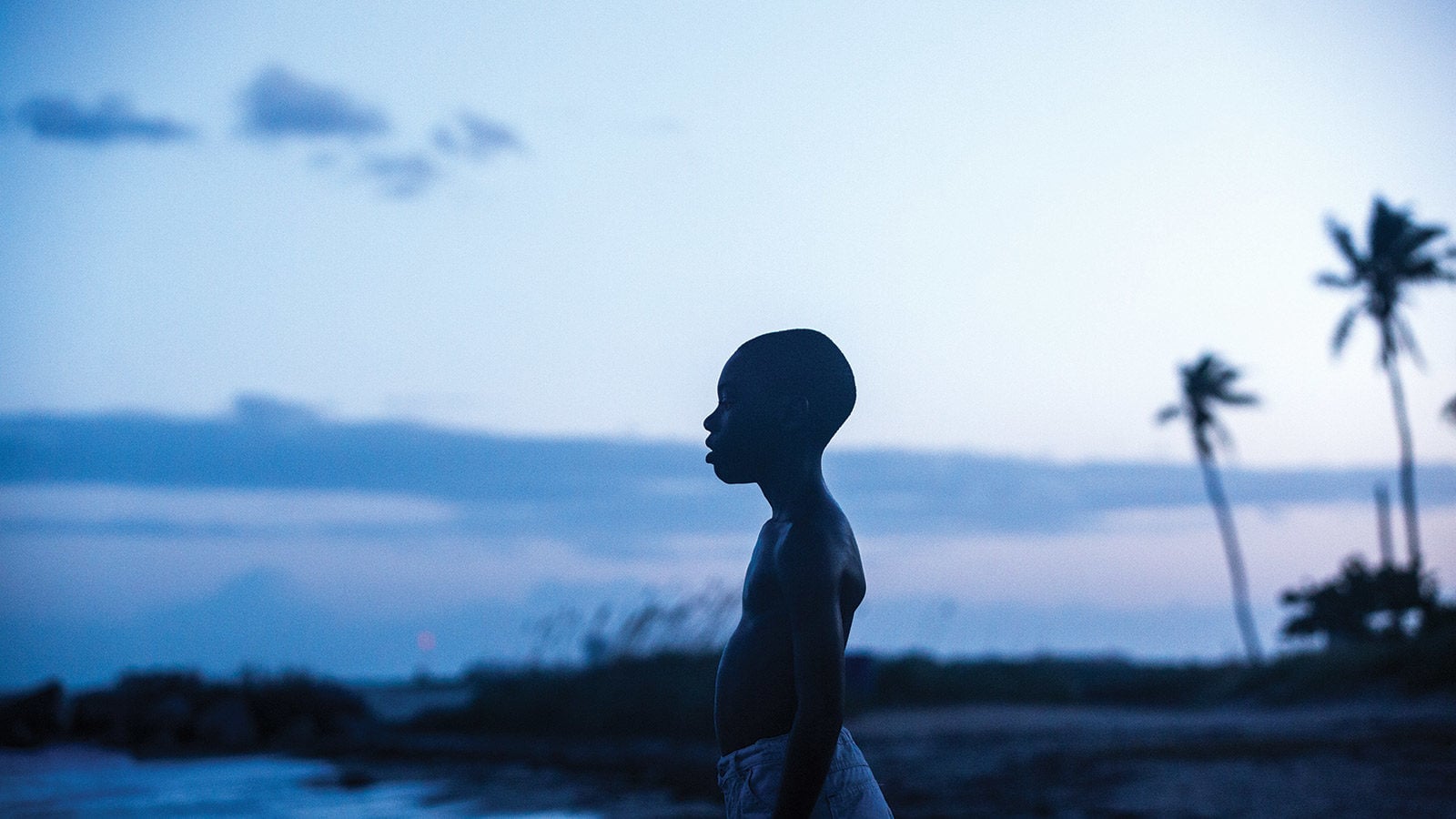
Moonlight, the remarkable new film by Barry Jenkins, who directed the gentle romantic drama Medicine for Melancholy (2008), revels in the elevation of everyday experience, transforming time’s passing into a series of rites of passage, the commonplace into the iconic.
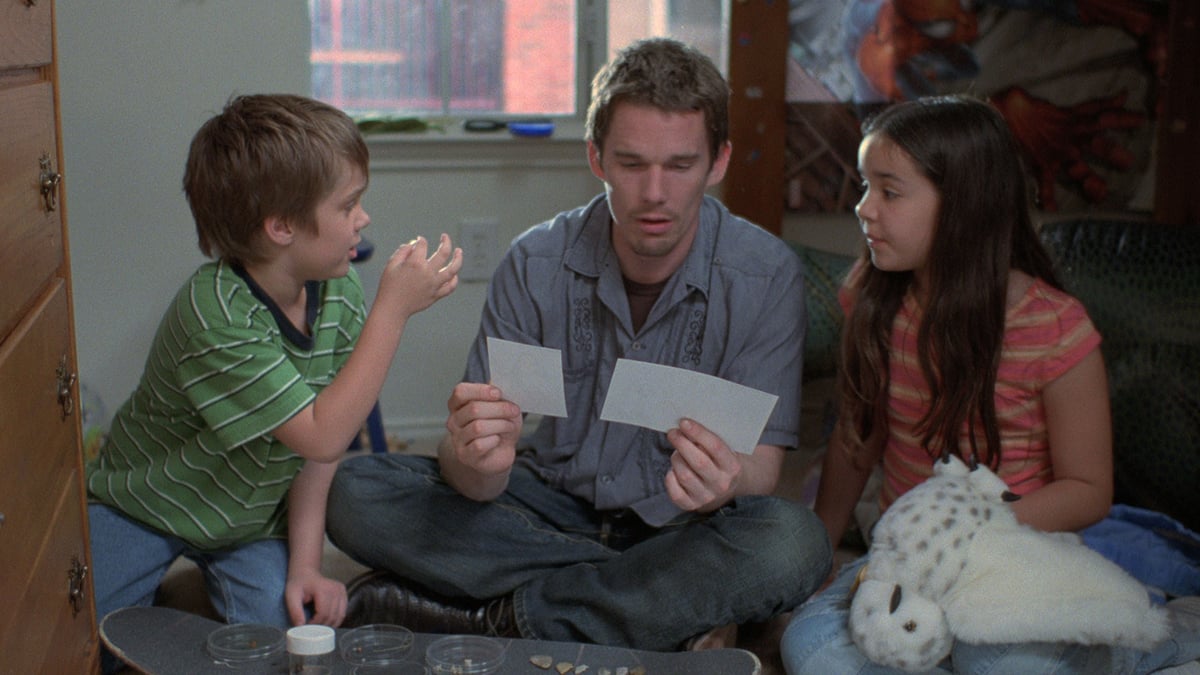
Linklater’s attentive portrait of a Texan boy named Mason is less about what it means to be a young male than it is an evocation of another key theme in the filmmaker’s body of work, namely time. And not just time as a philosophical concept, but our time, the present moment, and what it means to be alive now. Right now.

One strand of Under the Skin resembles a rough-edged piece of realist cinema about a woman alone, exploring an unfamiliar terrain. The film’s solitary traveler—to all appearances, an averagely good-looking young woman in jeans, a cheap furry jacket, slightly scraggy black hair—is seen walking unnoticed through Glasgow’s crowded streets and shopping malls.

What’s remarkable about Carol is that it seems to exist entirely in the present moment—to be precise, in that electric, elastic, heart-stopping/heart-racing present of romantic desire. It is a film composed of gestures and glances, its delicacy a veiled promise of abandon. And it could not exist without the extraordinary performances of Blanchett and Mara, who summon the entire lifetimes of their characters in their eyes and in the timbre of their voices. The chemistry between Carol and Therese is palpable and universal, but their desire, which takes rare courage to pursue, is shaped by the sexual repression of America in the years immediately following World War II.
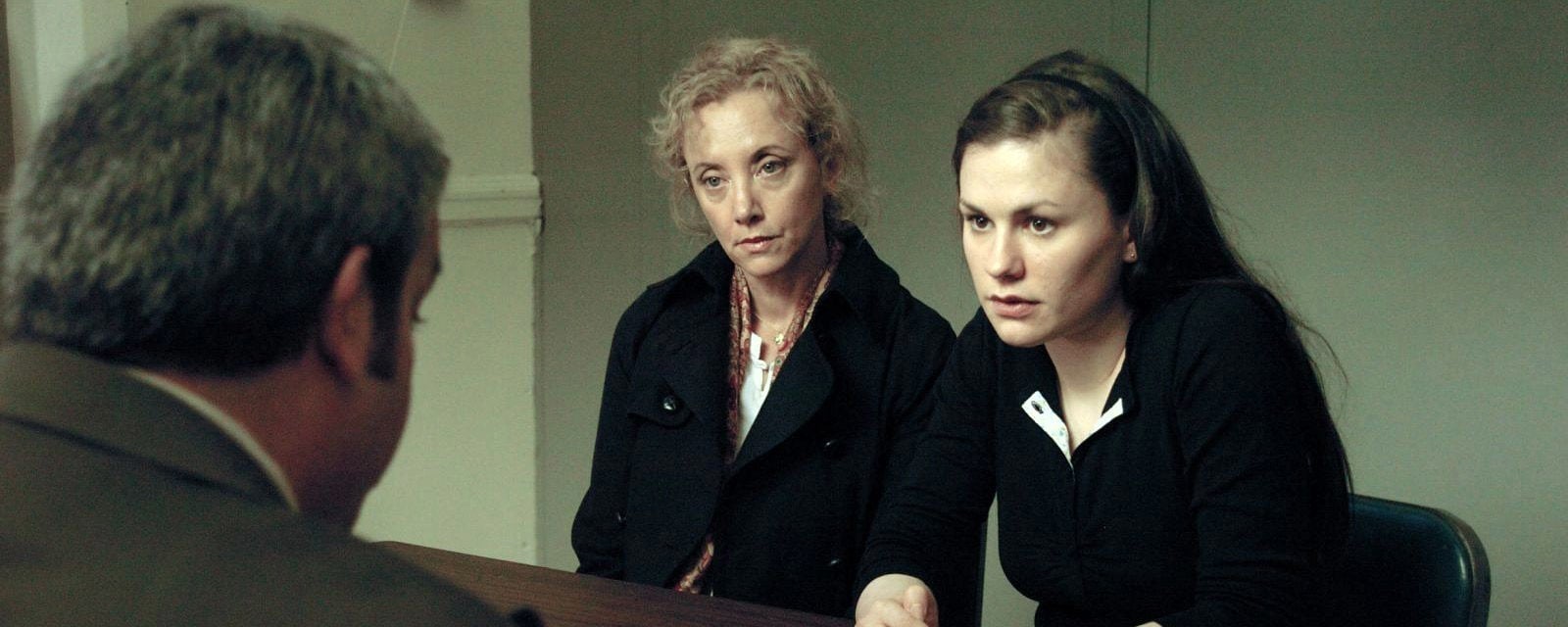
If you asked me what Margaret is about, guilt would not be anywhere near the top 10 things. Certainly it’s a driving psychological factor, but I wouldn’t say that’s what it’s about. I think it’s about the size of the world and how many different points of view there are. How lost one person’s voice and wishes and feelings can get in such a symphony of voices, thoughts, and feelings, and other people just trying to live their lives.

It’s hard to imagine a definition of pure cinema that wouldn’t include Leviathan, Lucien Castaing-Taylor and Verena Paravel’s near-wordless exercise in sensory immersion set in and around a commercial fishing vessel off the New Bedford coast. As Chris Chang writes, it’s a film that 'define[s] the point at which language...doesn’t so much fail as reach its limit.'
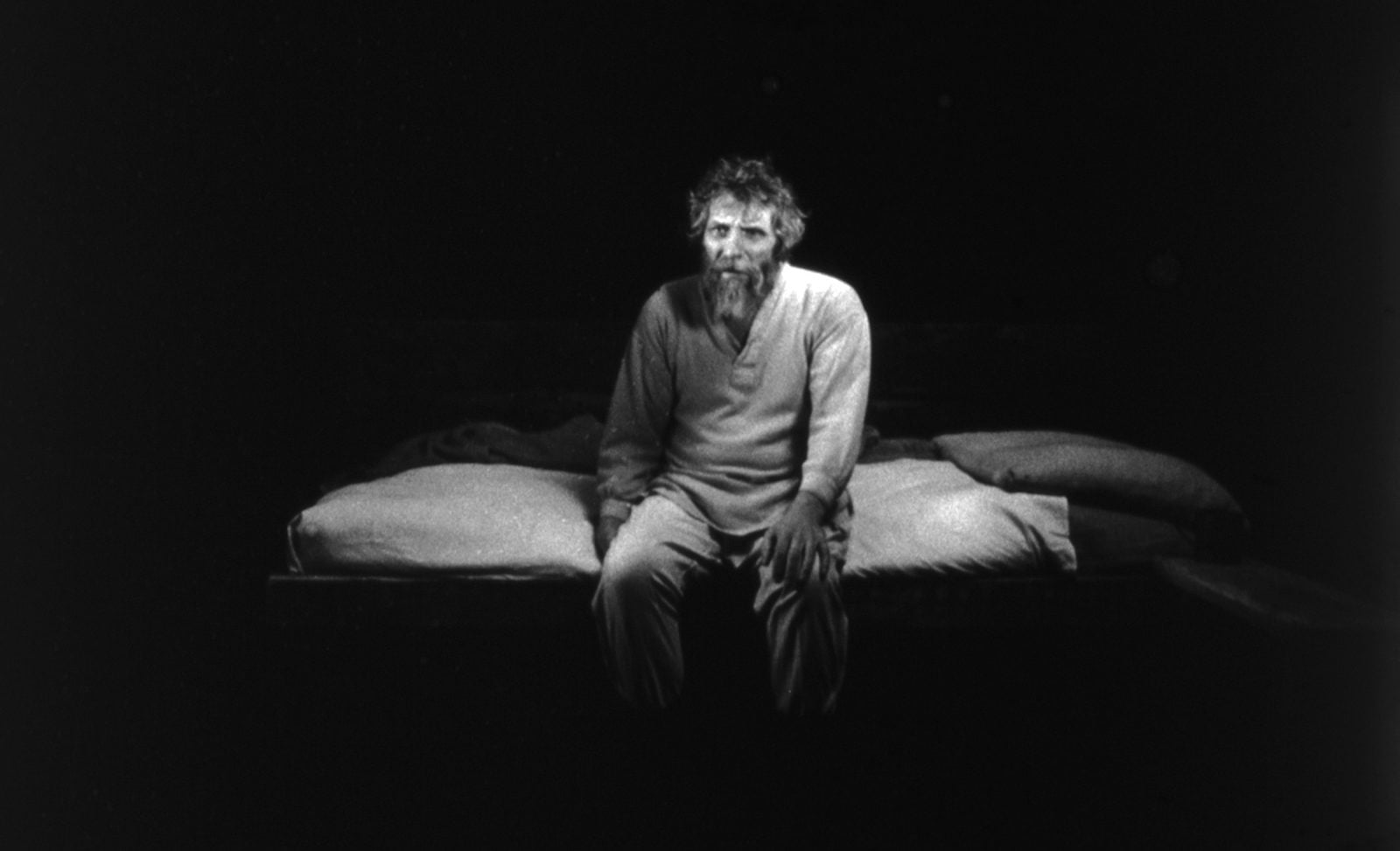
I decided after The Man From London that it was over, that I was going to close the shop. But I was thinking and talking with László Krasznahorkai, this is our debt. We have to answer this question, 'What happened with the horse?' We talked about it, and I knew [The Turin Horse] would be my last movie.
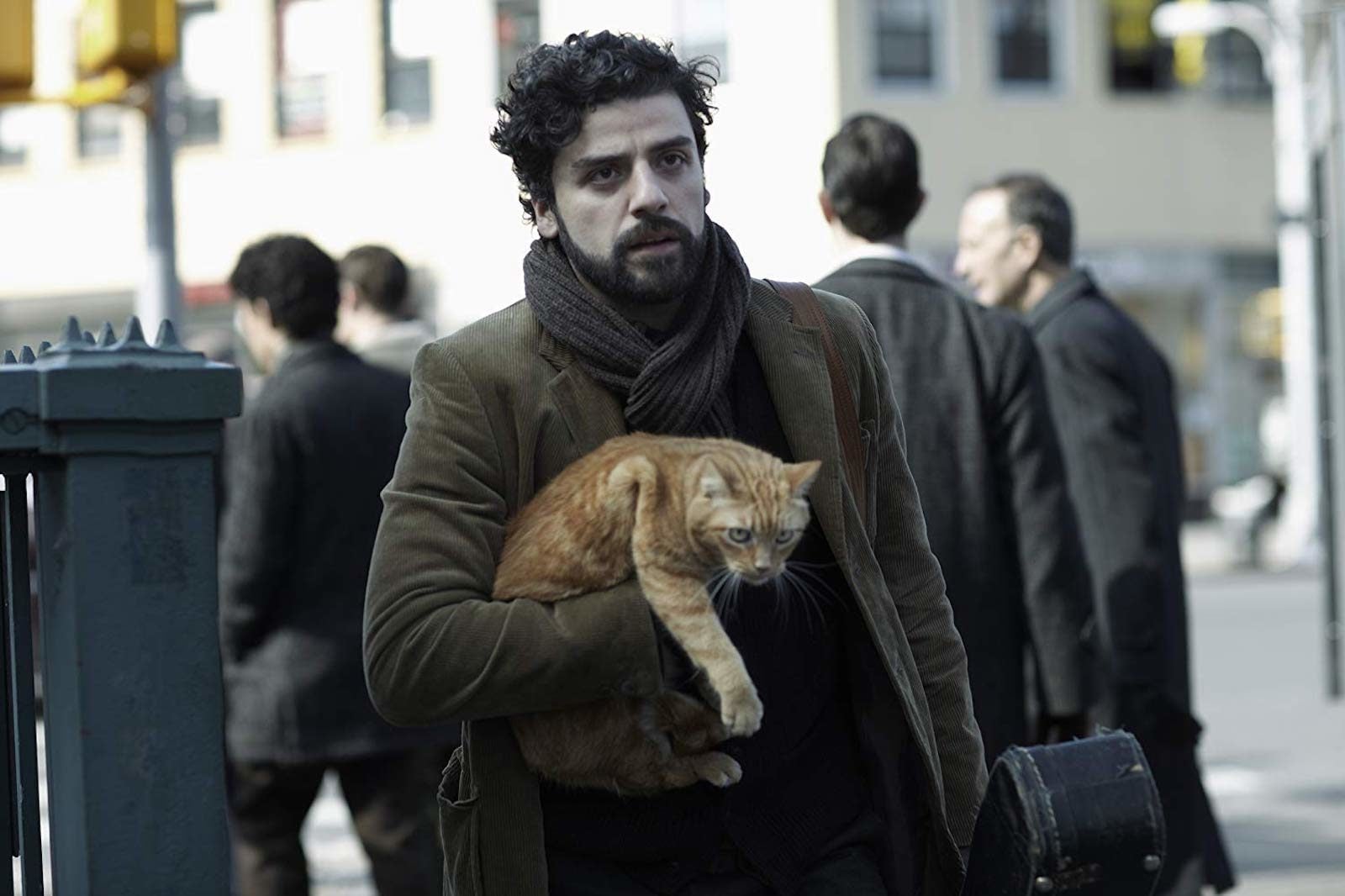
‘The kind of love I have for the film is not as a filmmaker adoring a child,’ wrote Nick Ray of his 1952 movie The Lusty Men, ‘it’s as a part of the literature of America.’ Joel and Ethan Coen might say the same of their own body of work, in which they have lovingly rendered a series of wildly different American folkways, each with its own particular fantasies, delusions, and pathologies. In the process, they have helped us to preserve our precious strangeness and exoticism. With Inside Llewyn Davis, they have created not only a ravishing comic portrait of a world gone by, but a haunting new American archetype: the outside man forever looking in.
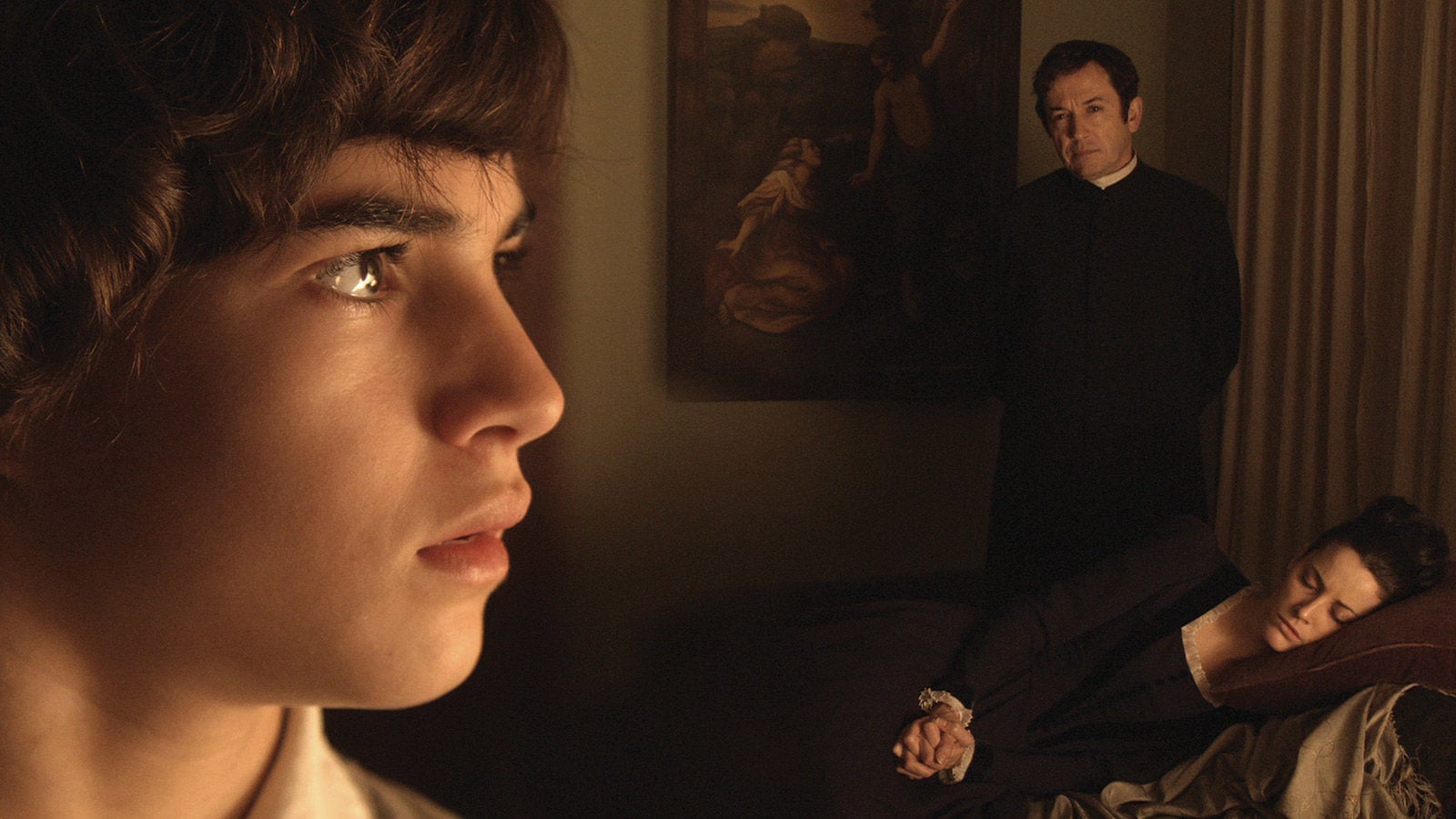
A magisterial meditation on narrative and cinema, Mysteries of Lisbon is the most glorious achievement of Raúl Ruiz’s prodigious career and one of the first cinematic masterpieces of this century.
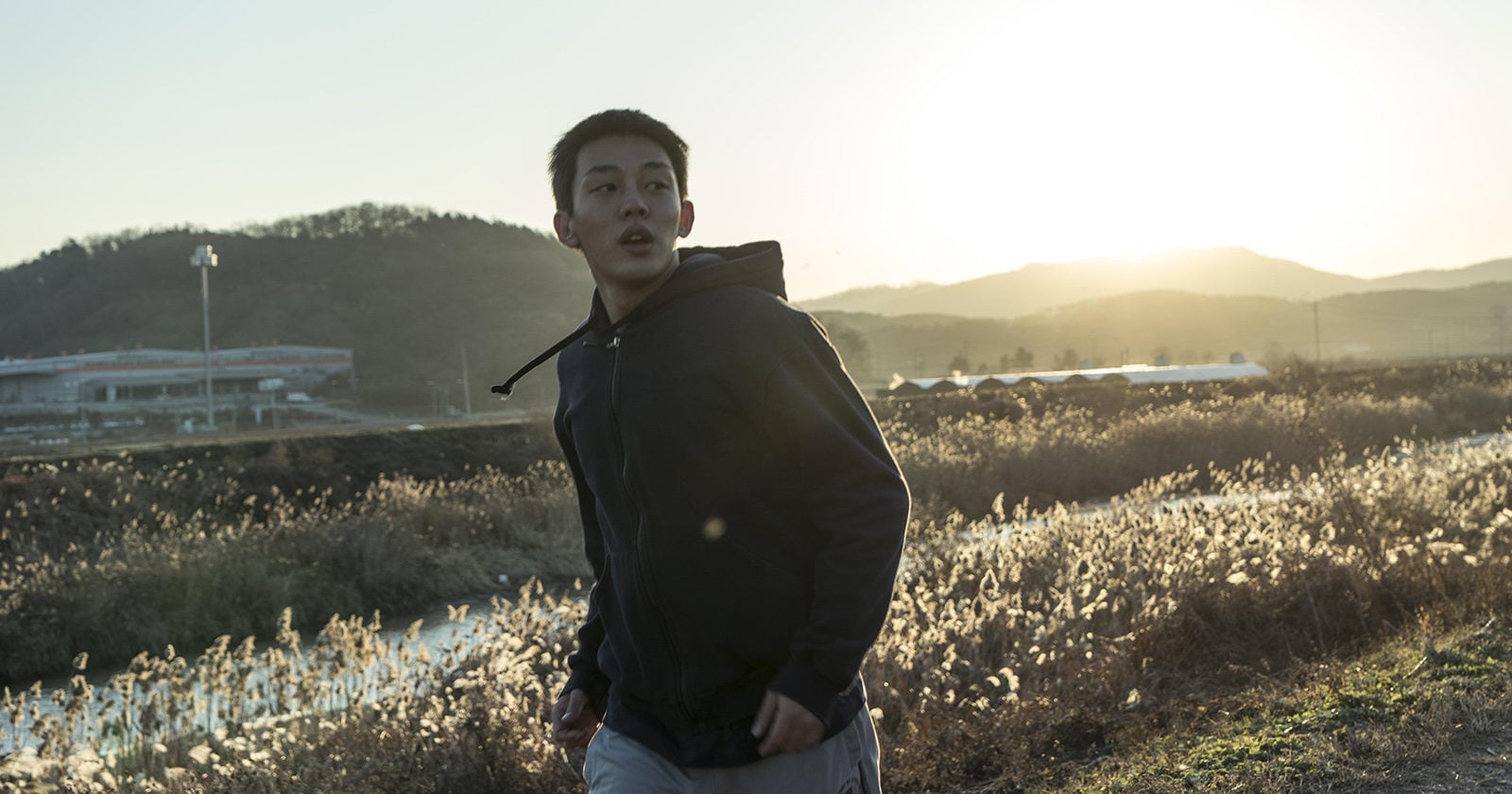
To me, the beauty of a director Lee film is that he holds a mirror up to society and says, 'Look at what you look like.' What resounds with me the most [about Burning] is that everybody seems so lonely. Even if you have all the money in the world, you’re still alone. If you watch this film multiple times, you can watch it from three different [character’s] points of view; they’re all looking for someone who fills that hole for them. To me, that’s always been the world, but it feels more appropriate to the current world than it has before.
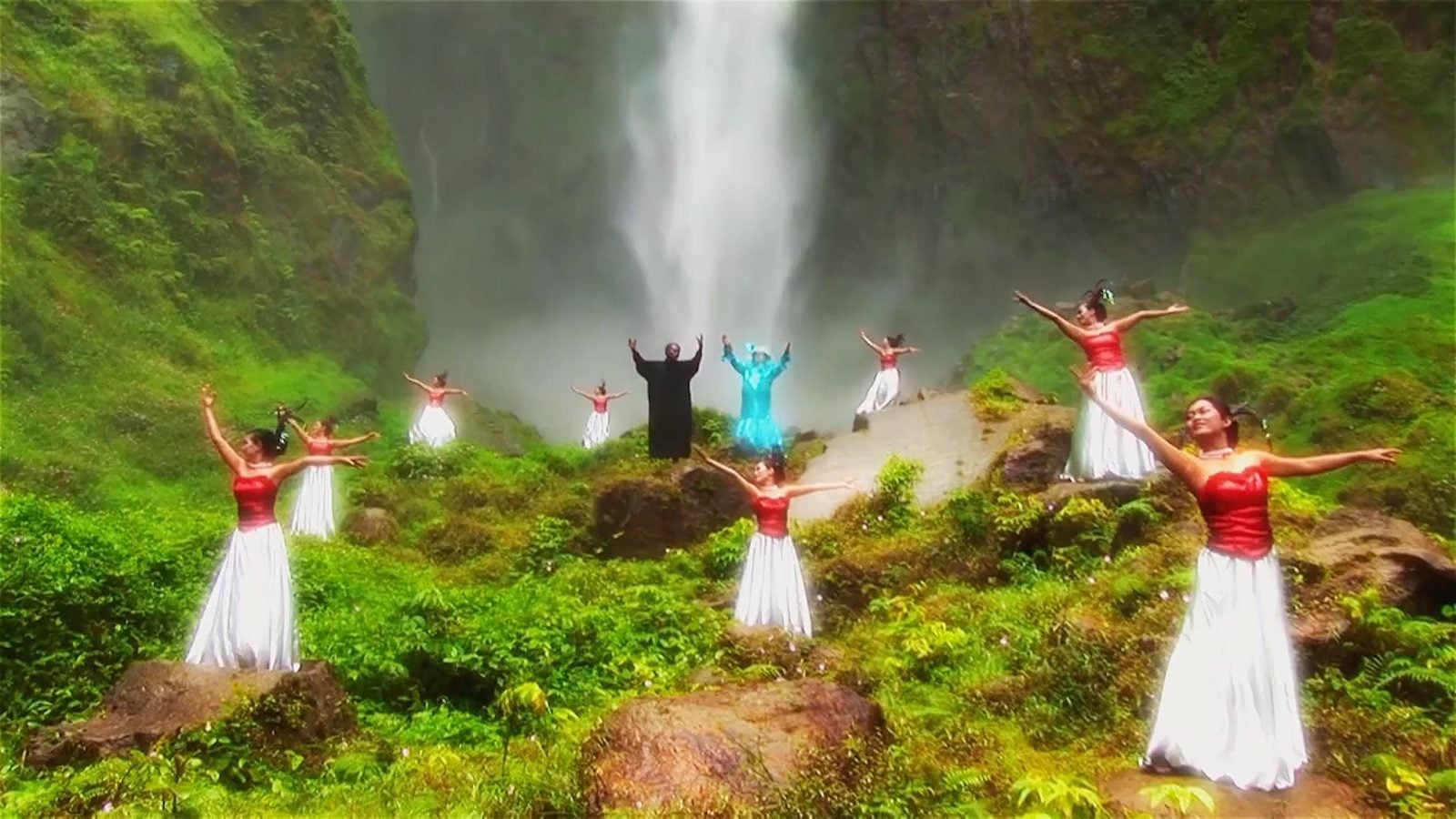
Some people have said, 'Josh, you interviewed all these army generals and CIA agents to make this film, why isn’t that in the film?' The reason is that the film would inevitably become a historical film about the mechanics of what happened [but] this is a film about the miscarriage of the collective imagination that underpins this condition of impunity and open celebration. It’s about these very thorny issues: what does it mean to take joy in reenacting mass murder?

In 2013, when Bong conceived the film that would become Parasite, the working title was Decalcomania. In Korea, 'decal' is synonymous with doppelgänger [and] Parasite presents two families that are mirror opposites, living in homes that are also mirror opposites.
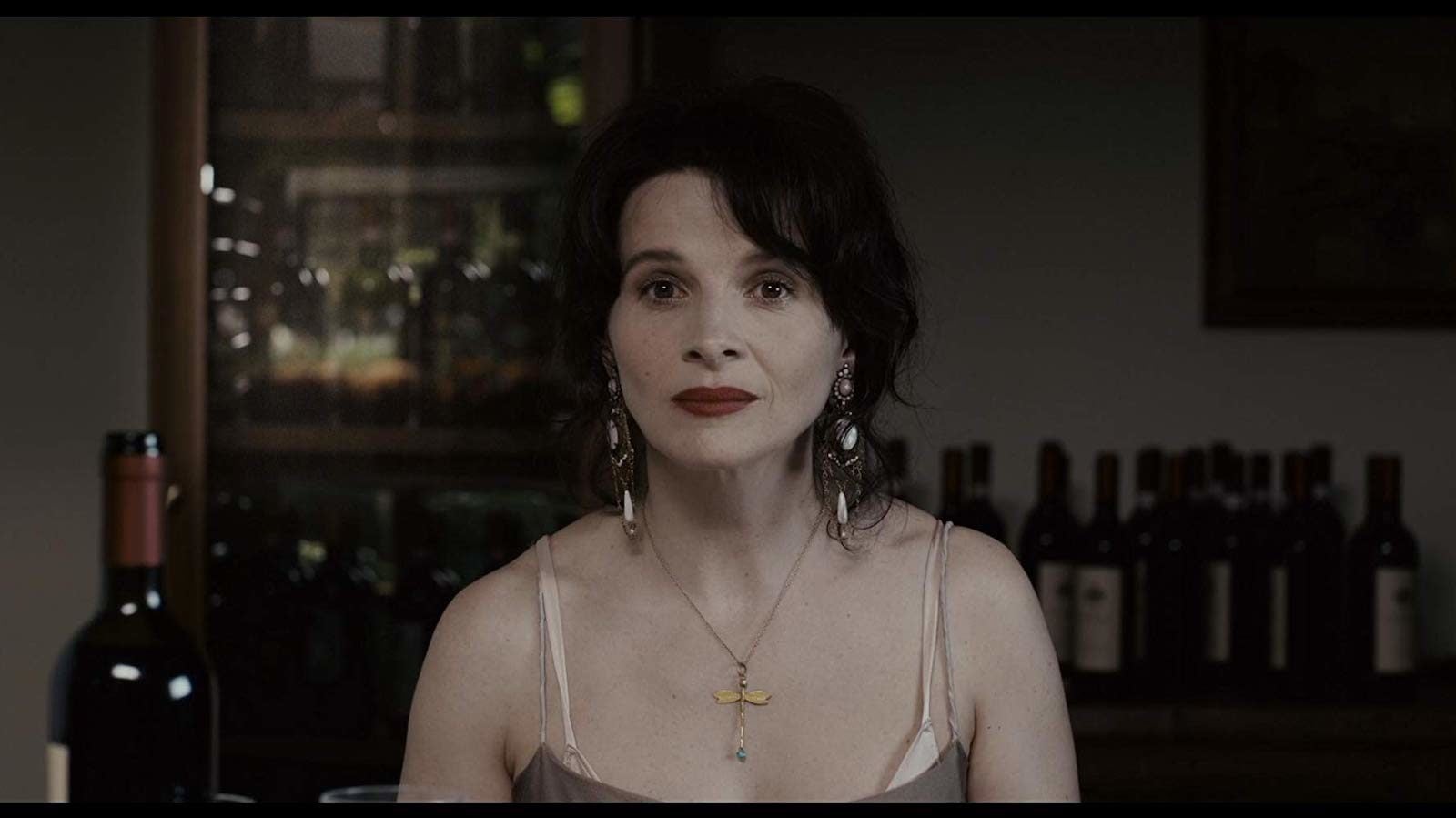
Nothing could stand up to the power of Abbas Kiarostami’s Certified Copy. Every shot, every edit, every line of dialogue (including what language the dialogue has been spoken in!) is a clue to unpacking a mystery with no solution but what we desire to subscribe to it.
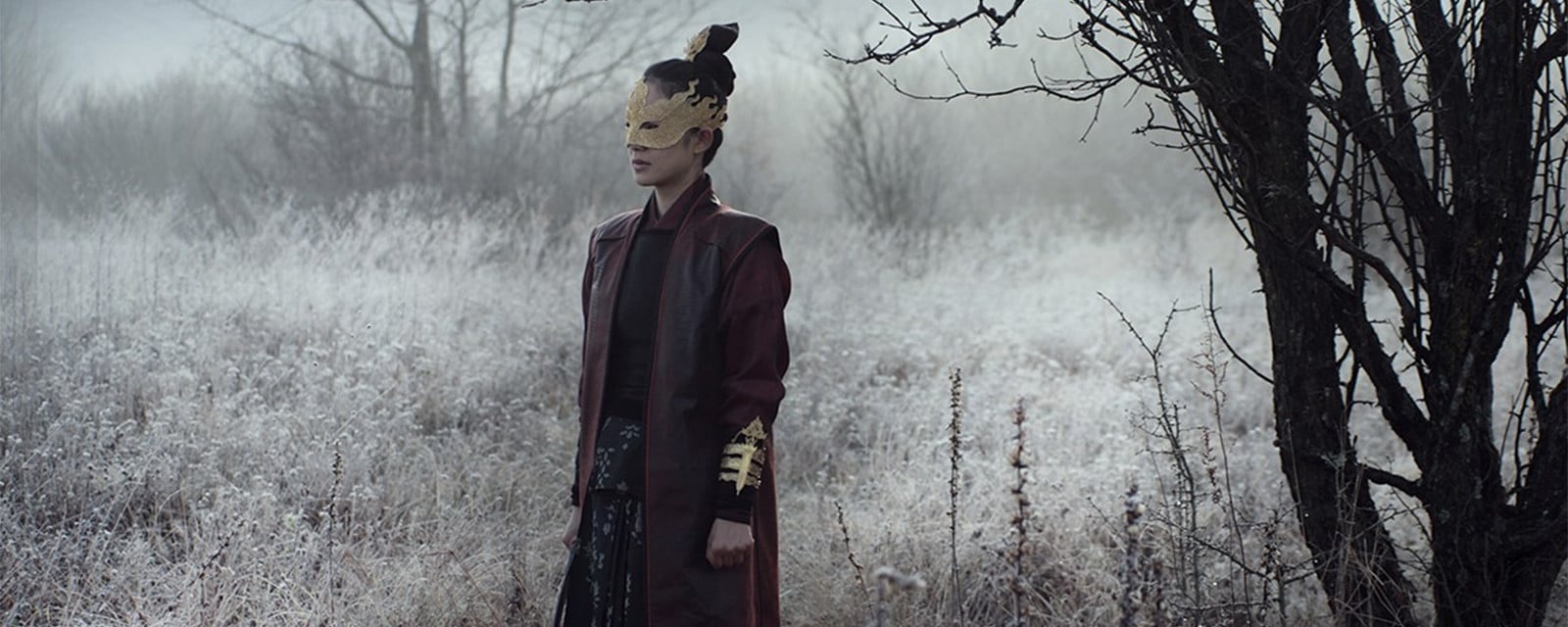
Scenes of breathtaking, expansive, and meditative stillness alternate with swift, cutting sword-fighting action. With his uncanny visual and aural ability to draw the past into the present, Hou instills scenes set in the 9th-century with a haunted realism. Whereas the opiate-tinged beauty of the Qing Dynasty pleasure quarters in The Flowers of Shanghai was tempered by formal strictures, here Hou lets cinematographer Mark Lee Ping Bin’s indelible long takes linger and steep us in the Imperial grandeur and sublime imagery.

In Tabu, Gomes casts an eccentric, seemingly indirect, glance back at Portugal’s African empire, conjuring the long lost world of the colonies through the tragic story of a headstrong and preternaturally beautiful young hunter propelled by her self-destructive desires into an adulterous affair with another man.

Over half of Mad Max: Fury Road unfolds in action-spectacle nirvana. Movement, images, and some plucky actors carry all the emotion and humor a movie of this scale needs, and its kinetic force delivers an adrenaline boost to your system.

First Reformed marks a considerable turning point, a film à thèse about the struggle for grace and faith in our modern world of hyper-reality and despair, especially when the various stopgaps offered by society—organized religion, political institutions, ecological activism—seem variously counterfeit. A breathtaking, taut work possessed of an otherworldly meditative stillness, it feels at once hauntingly out of time and haltingly urgent.

Get Out is one of the rare horror movies that features a black protagonist, playing with the generic adage that black characters are habitually the first slaughtered. It challenges the credence of African American audiences that black characters would instinctively run away from danger rather than bungling towards it like their hapless white counterparts, and presents a black male as the vulnerable figure of audience identification. Peele shows empathy for his characters, seeking to explain the Other rather than presenting him or her as a beast or merely monstrous.

Stray Dogs shows considerable compassion and political anger at urban abandonment, of people and buildings alike, and those feelings resonate even while Tsai strips out the narrative shape that usually allows us to connect emotionally with human dramas in a realistic context. It resembles the houses in which it takes place: an emptied-out frame of a narrative that we’re left to explore, a space inhabited by human presences that sometimes feel irreducibly alive, sometimes like ghosts.
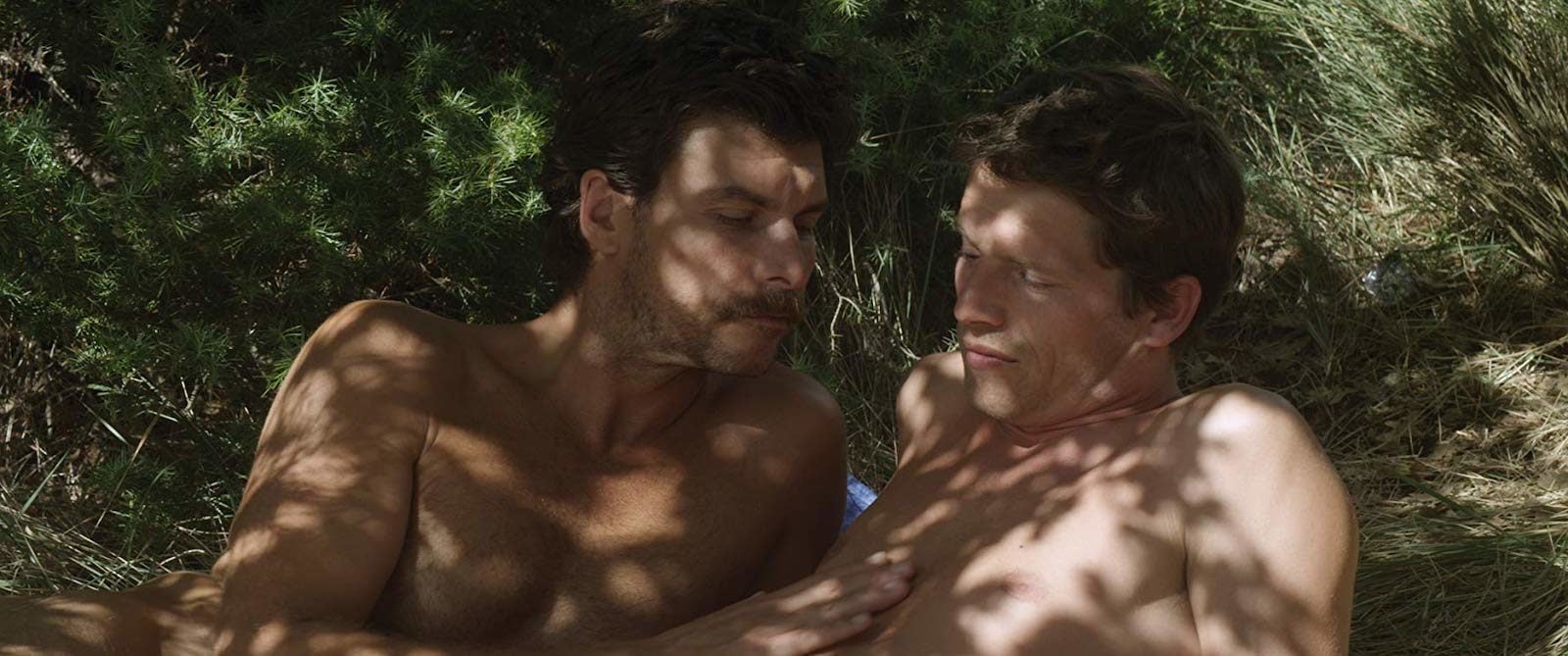
As Stranger by the Lake shows, in Guiraudie’s cinema, homosexuality indeed loses its quality of strangeness or exception. Gay sex is not 'normalized' in his films in the sense that it loses its expressive or subversive force; it simply becomes one dominant possibility, one perpetually available type of desire in a universe of absolute polymorphousness. In that universe it’s not just sexuality that is protean and multiple, but everything—time, space, identity, narrative itself.

A theme central to Apichatpong’s work is that of the secret world hidden behind the visible one, whether historical, political, or metaphysical. What Apichatpong gives us in Cemetery of Splendor is the sense of an immediate magic that dispenses with special effects (as used in 2004’s Tropical Malady and 2010’s Uncle Boonmee…) to more directly address the imagination—to make us re-imagine what’s in front of our eyes.
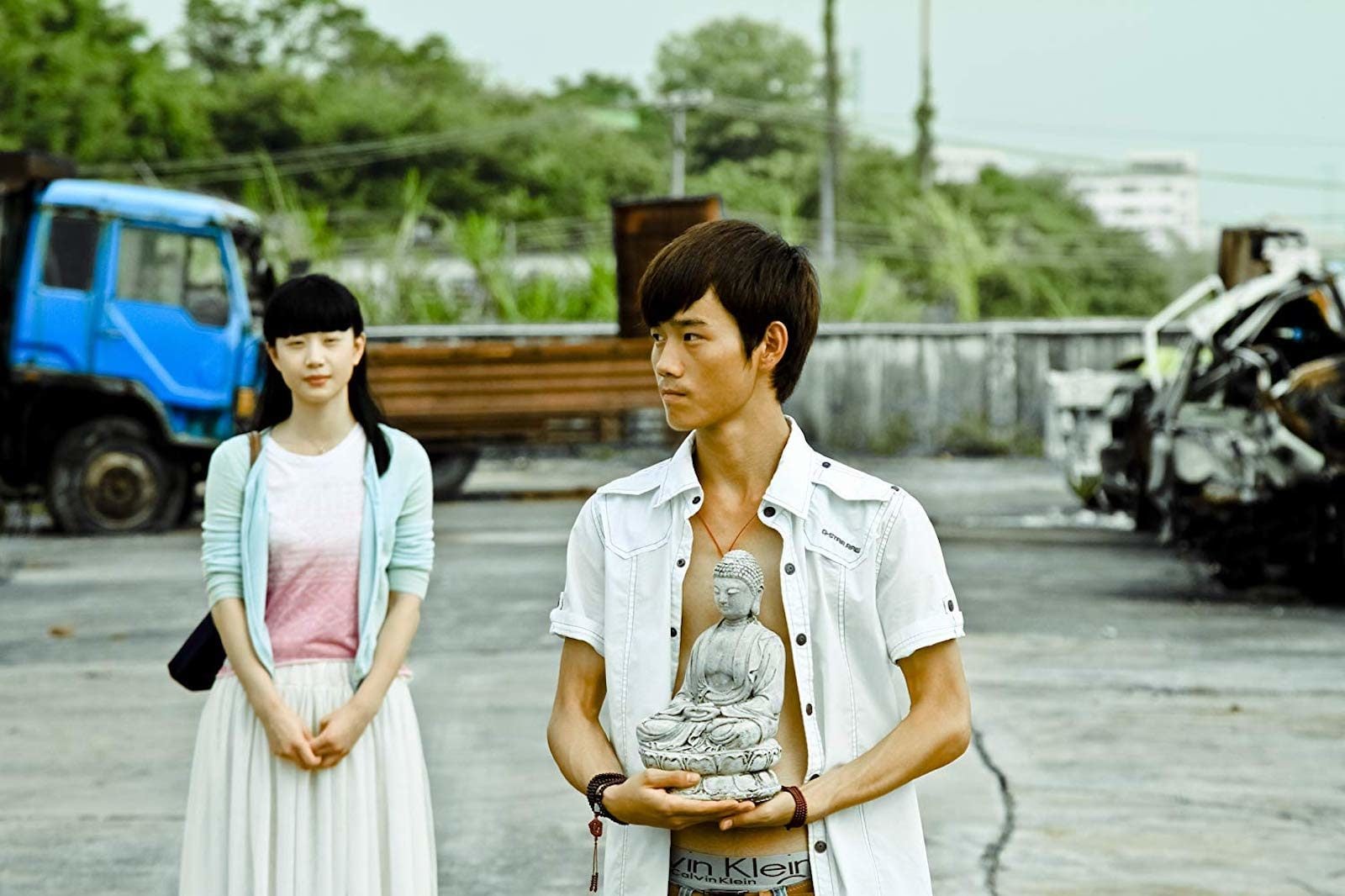
A Touch of Sin is not much like the script that Jia sent to the Film Bureau for pre-production approval. Across four stories inspired by recent real-life events, the film is a 'state of the nation' report that poses several interesting questions. Such as, why do so many 'small' incidents in China today explode into rage, violence, and even murder?

Abderrahmane Sissako’s Timbuktu is bracingly original and unexpected—a welcome shock to the system for American moviegoers who’ve grown used to seeing prosaic melodrama in topical or torn-from-the-headline movies. This fearless poetic response to the jihadist occupation of the title city and its imposition of Sharia law unfolds in charged tableaux and conveys the wreckage of a civilization lyrically and potently, in 95 spare, suggestive minutes.

As always for Godard, Goodbye to Language makes use of an intriguing mixture of familiar and unfamiliar names, and some unlikely ones that you wouldn’t have expected Godard to refer to.

Over time, and in effect, Wiseman encourages us to populate and discern complexity in what we see, constructing a version of community through these images and sounds to emulate the one he’s observing.
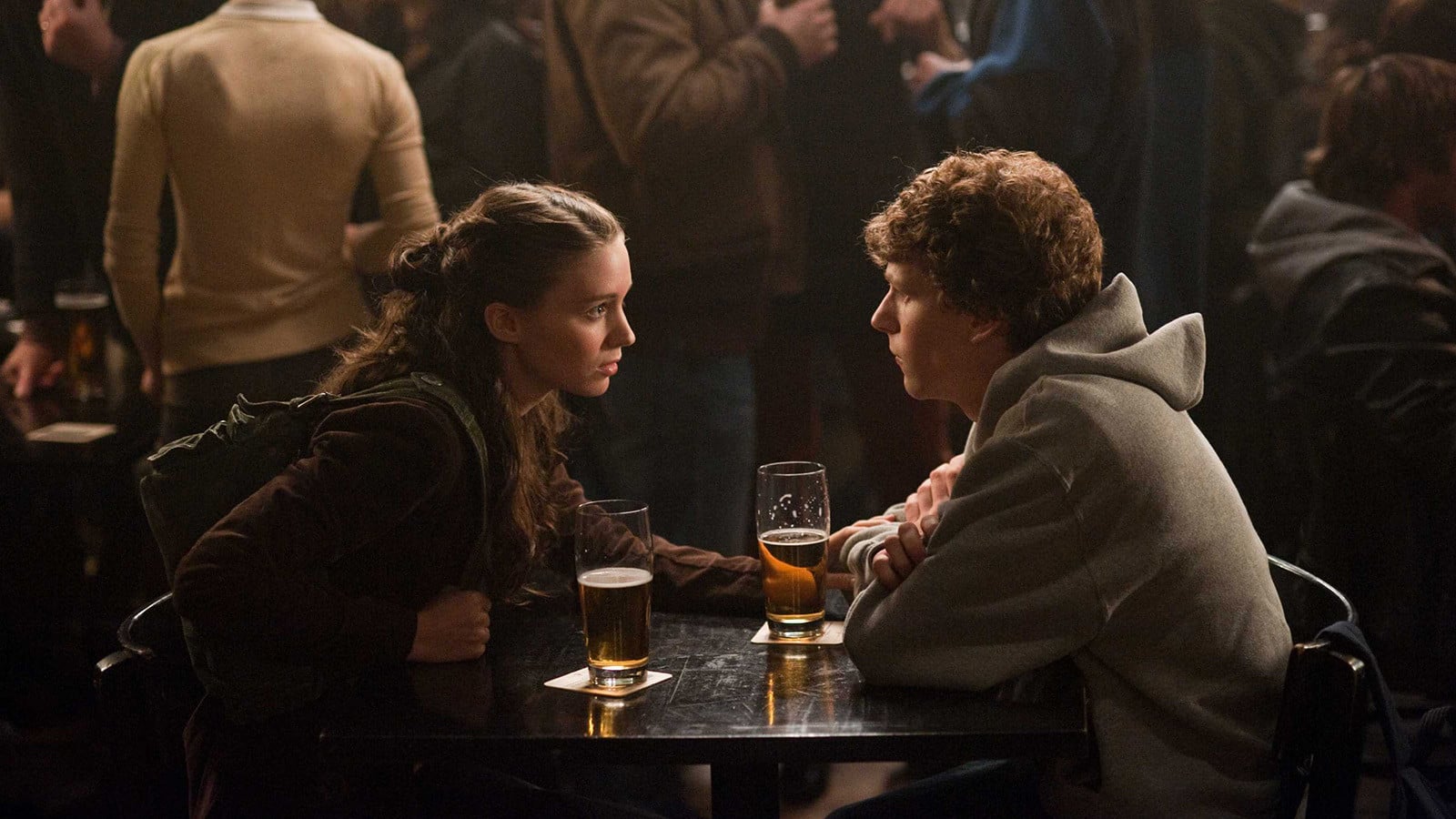
This is very rich material for a movie on such timeless subjects as power and privilege, and such intrinsically 21st-century ones as the migration of society itself from the real to the virtual sphere—and David Fincher’s The Social Network is big and brash and brilliant enough to encompass them all.
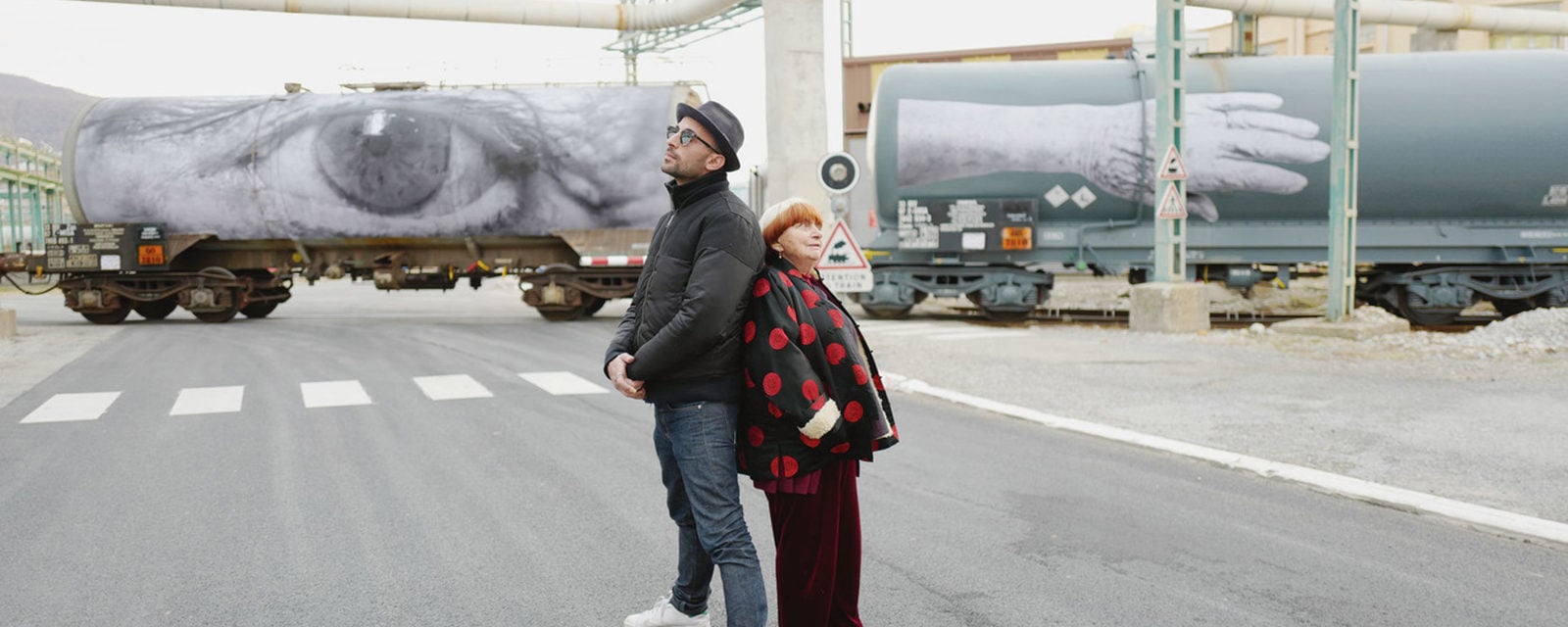
In the Situationist tradition of rethinking and transforming everyday life, JR and Varda travel round offering little presents to people and communities they encounter. They do it not with the loftiness of professional art people dropping their bounty, but in a spirit of collaboration and openness—even if Varda’s bustling, distracted manner can sometimes suggest a rather peremptory great-aunt charging in and telling people where to sit.
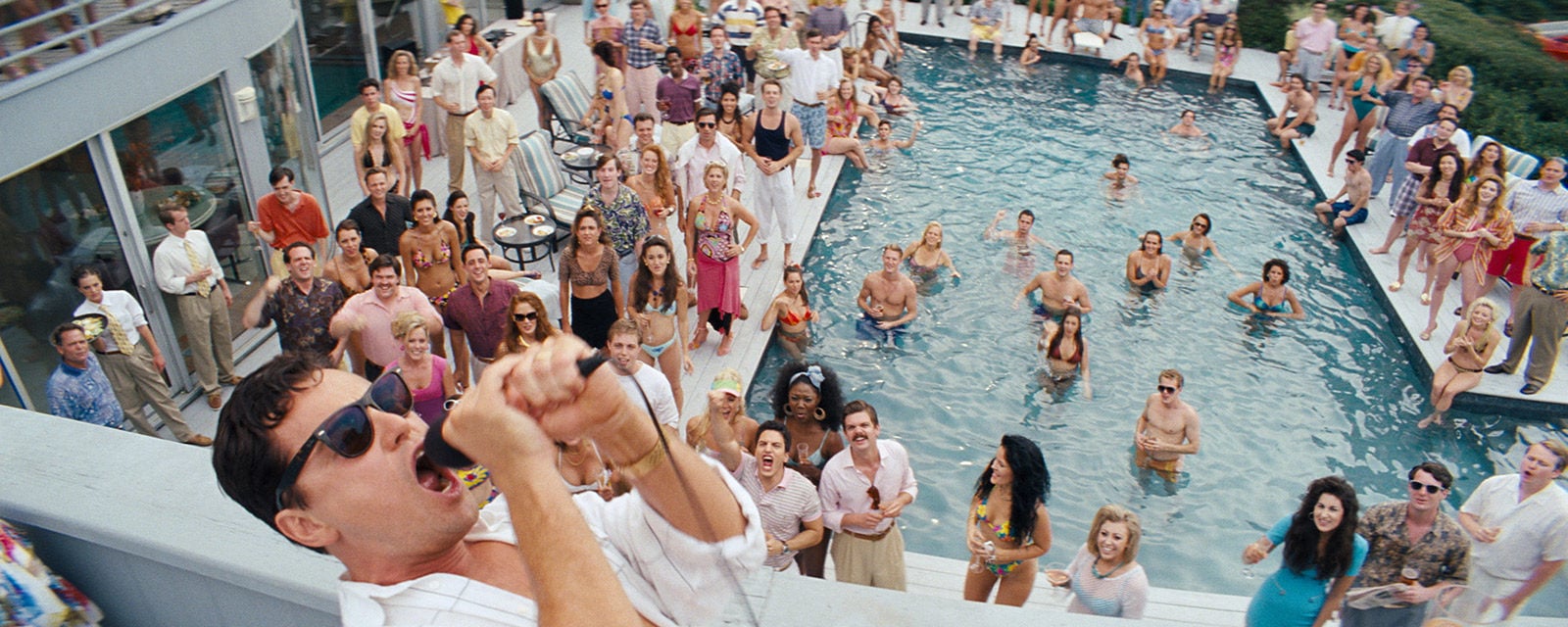
The wolf of the title, like Henry Hill in Goodfellas and Raging Bull’s Jake LaMotta (or, for that matter, Hugo’s Georges Méliès), is inspired by a figure too relentlessly self-mythologizing to invent: Jordan Belfort, the stock swindler who founded and ran the infamous “boiler room” firm Stratton Oakmont until 1998, when he was arrested and charged with over 10 counts of money-laundering and securities fraud.
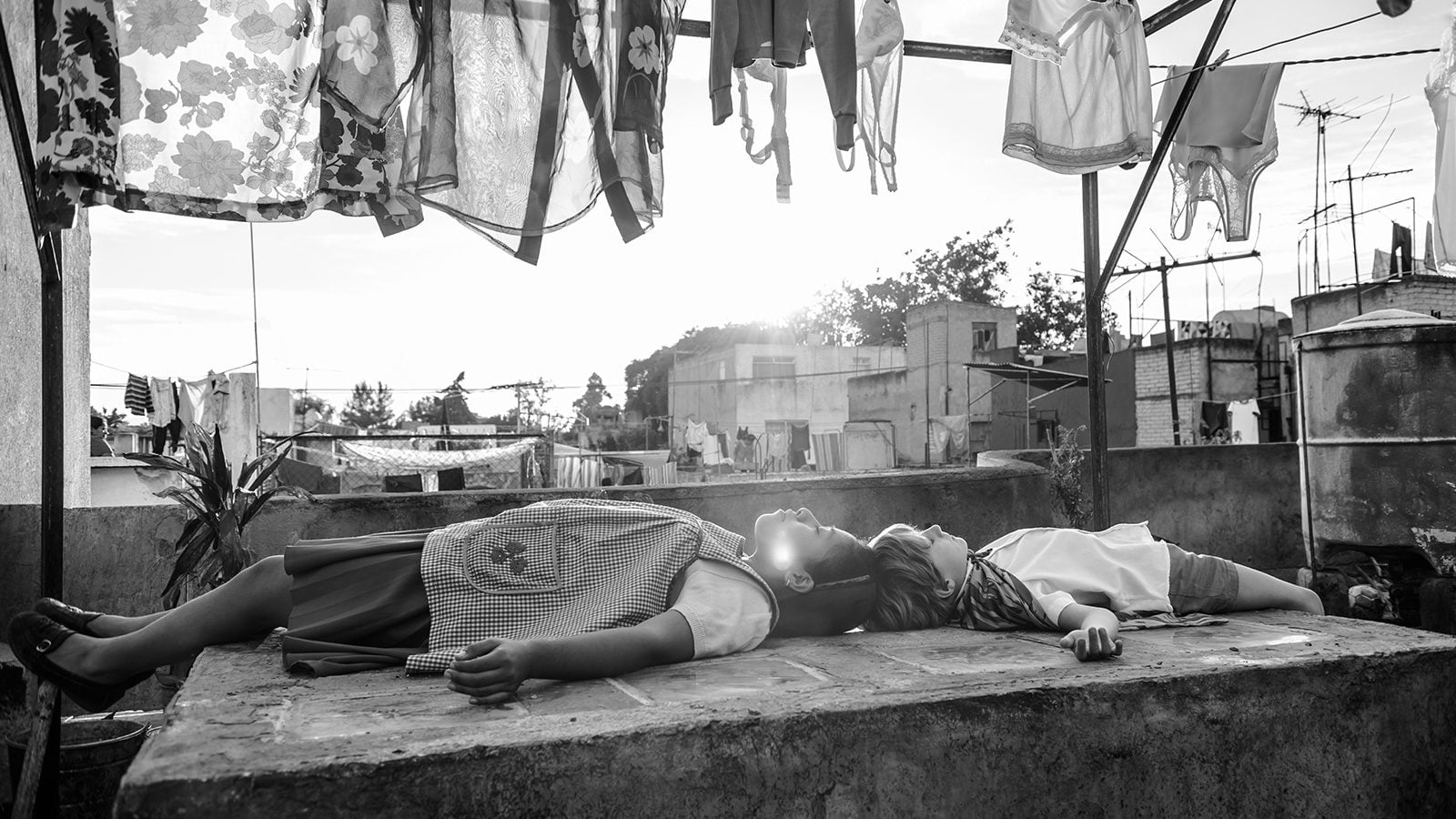
ROMA is set in a relatively enclosed world; for much of the time, it’s set within the family home, but it’s a world that Cuarón and production designer Eugenio Caballero map out in minute detail. By the end of the film, we feel we know every corner of the house, by all accounts a replica of Cuarón’s childhood home.
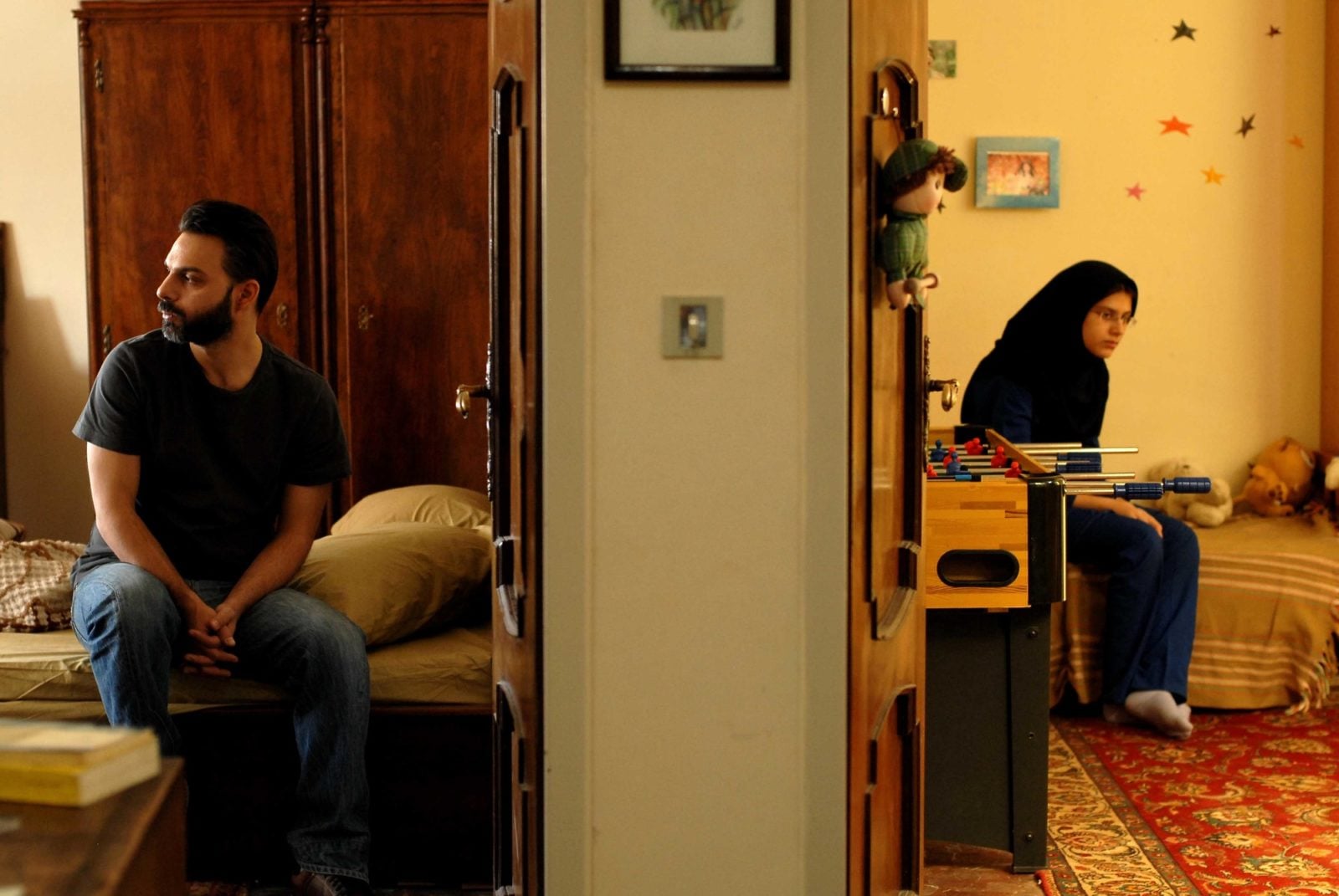
The focus on marriage and its discontents, on lies and betrayal and the underlying longing for justice, the emphasis on strong performances, elaborate staging, and carefully honed writing: these hallmarks of About Elly and A Separation come to mind when Farhadi mentions one of his favorite American films, A Streetcar Named Desire, which he values for the wealth of interpretative possibilities that Elia Kazan finds in Tennessee Williams’s play.
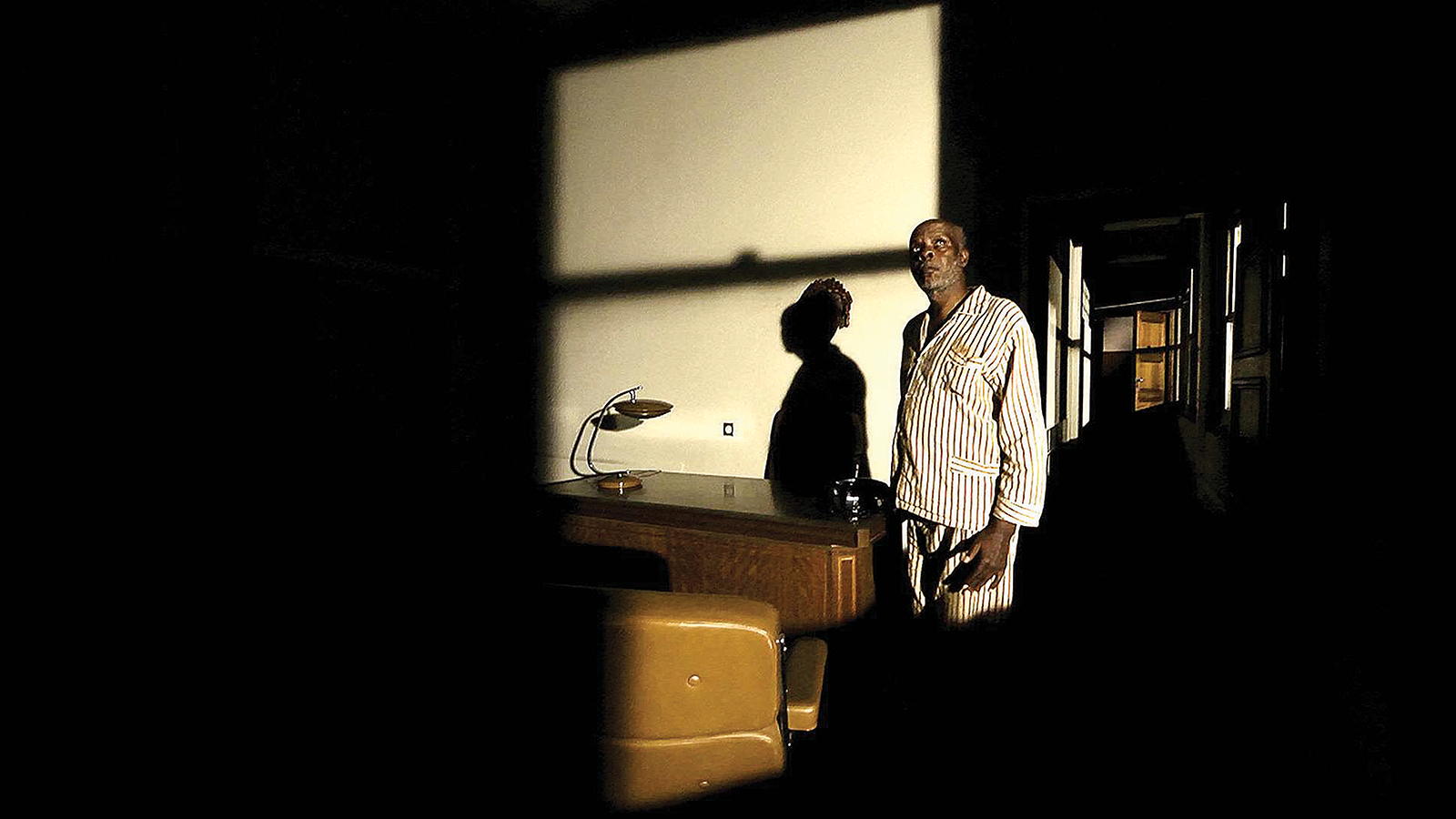
Complementary to Colossal Youth, Horse Money is in some ways its diametrical opposite: where the former used light, blocks of whiteness, forms redolent of heroic classicism, Horse Money is nocturnal, steeped in sinister chiaroscuro, Romantic.
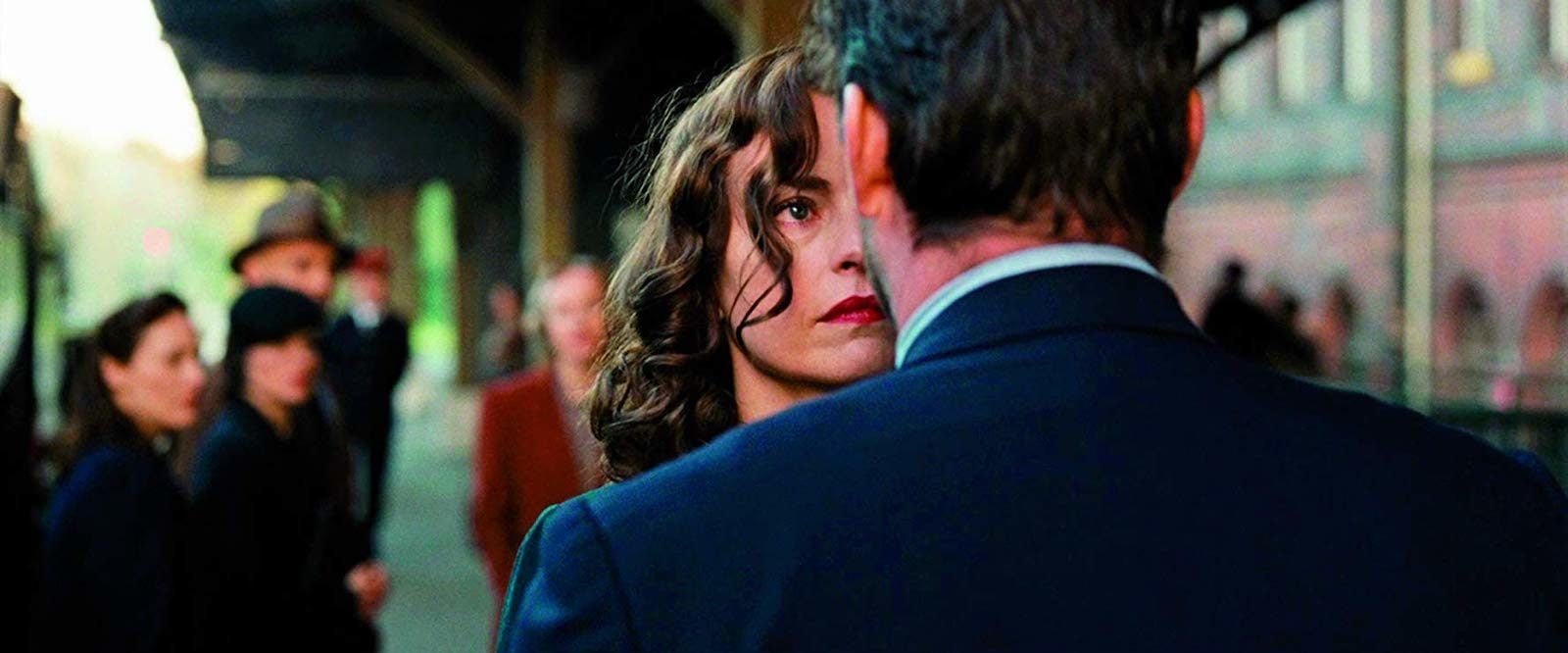
Phoenix is set in the intriguing period immediately following the war—or 'After the Camp' as Petzold puts it—that gave rise to the Trümmerfilm (literally 'rubble film'). It’s an engrossing reflection on the postwar reconstruction of identity (as the title suggests, although it also turns out to be the name of the bar where she finds Johnny) couched as a noirish thriller of mistaken identity.
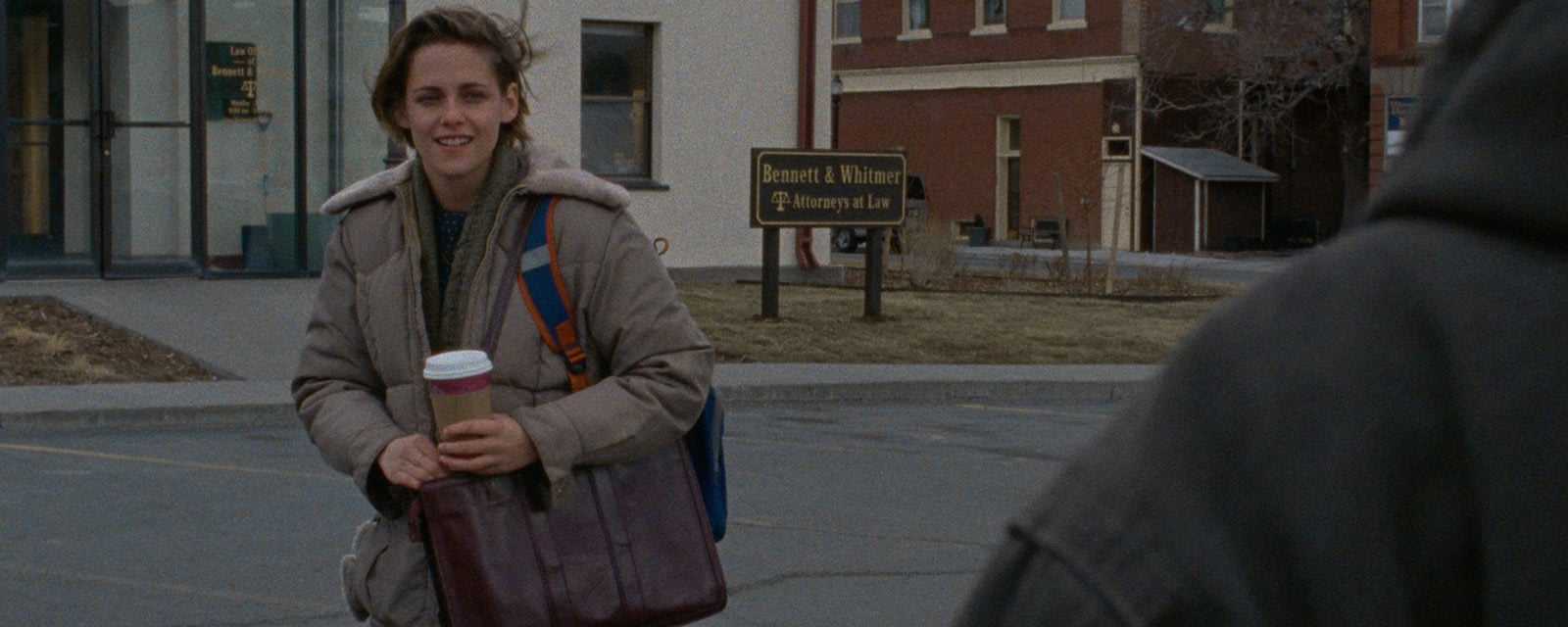
Certain Women may be Reichardt’s most low-key film since the intimate woman-and-dog story Wendy and Lucy or even the philosophical rural ramble Old Joy; let’s say, its emotional rewards require a certain detached discernment in the viewer, just as readers have to bring an open sensibility to the recounting of apparent non-events in a certain tradition of modern North American realist short story.
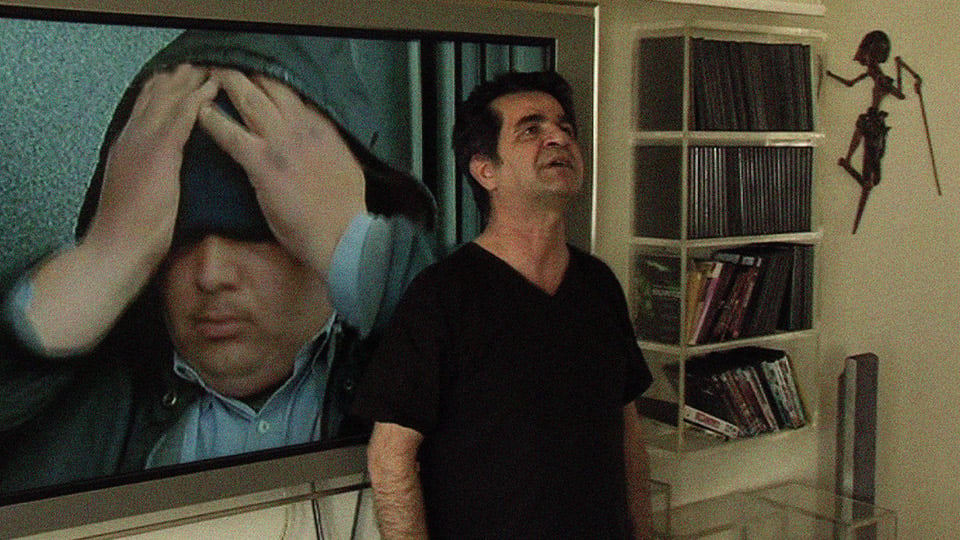
That one of the most consistently amusing and enlivening movies to emerge from 2011’s crop of festival films should have been made by a filmmaker under house arrest, his hands pretty much tied, his budget nil and equipment minimal, just goes to prove that you can’t keep a good man down. I stress the playful charm of This Is Not a Film by Jafar Panahi and Mojtaba Mirtahmasb because the circumstances surrounding this singular work (and most attempts to describe it) inevitably portend something grimmer.

Happy as Lazzaro—Rohrwacher’s third and best feature to date—is the fable of an angelic boy, a holy fool, who travels unchanged from the countryside to the city, from not-so-ancient times to the present, and witnesses the perpetuation of marginality, moral corruption, and the exploitation of those in need by the powers that be.
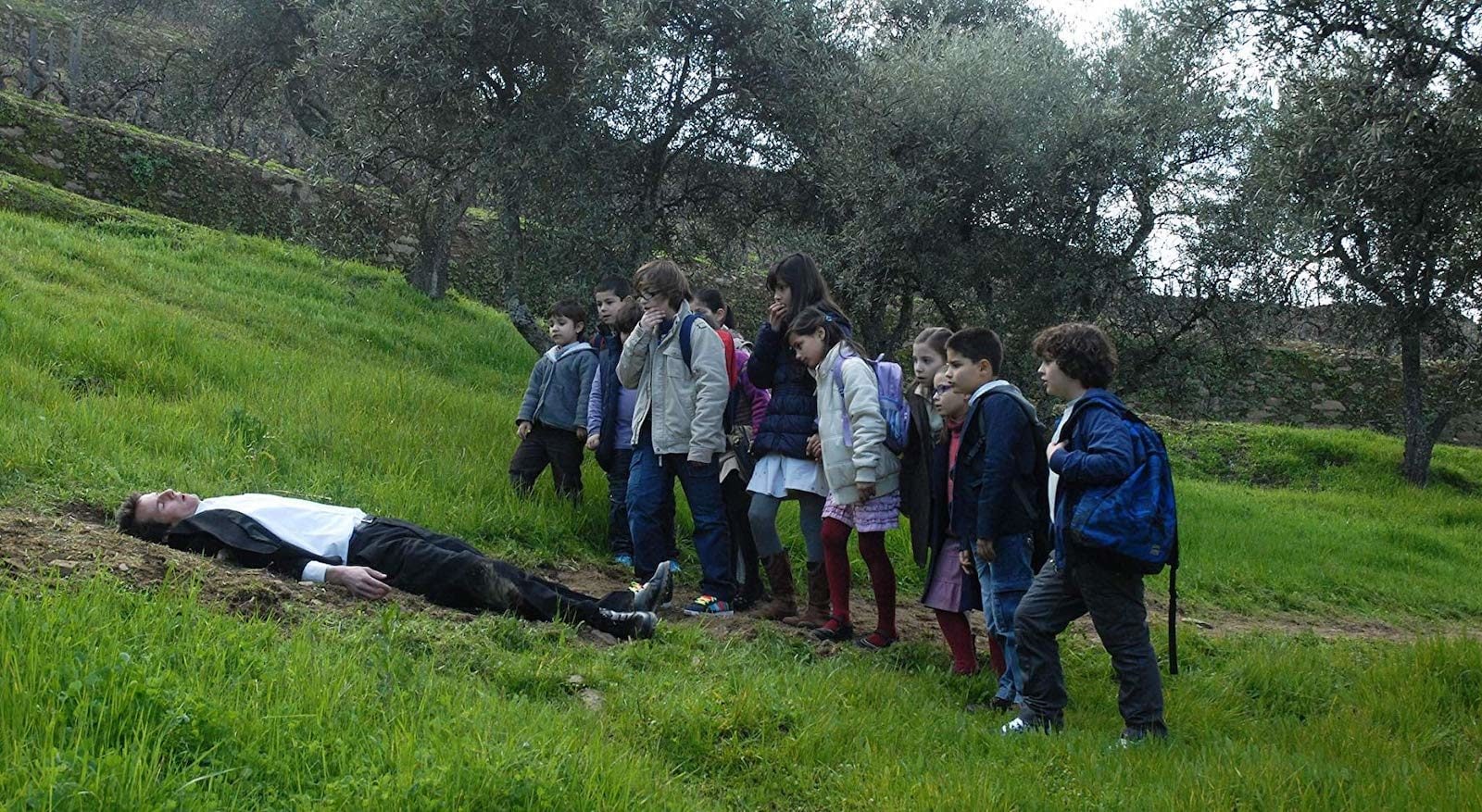
The Strange Case of Angelica recovers and unsettles the photographic roots of cinematic art in the figure of the photographer, the man with the still-but-somehow-moving camera, whose instrument, we learn, is wonderfully imprecise and uncontrollable—since by 'capturing' the real it also unleashes the imagination.
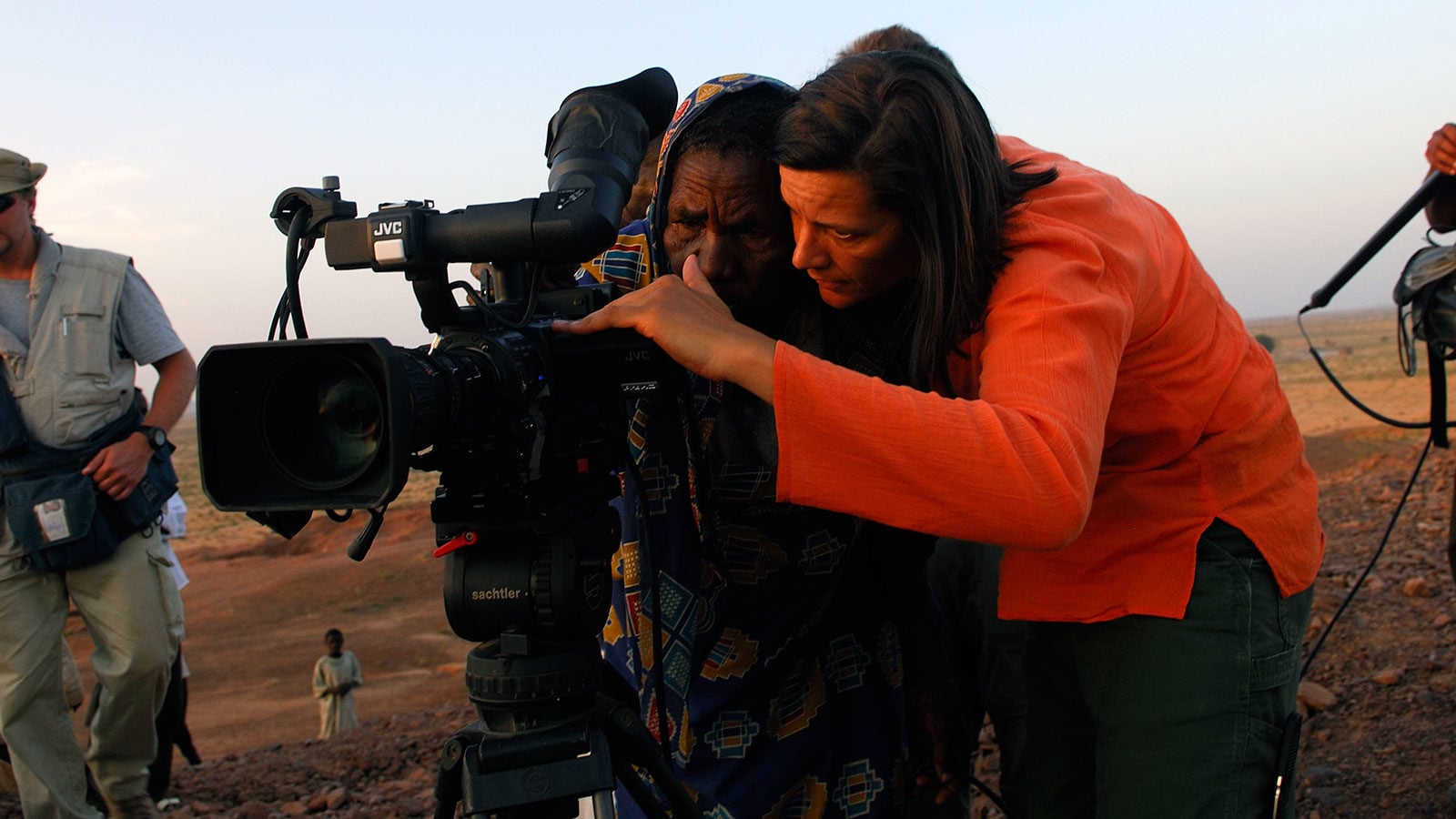
Cinematographer Kirsten Johnson continues the ongoing interrogation of the power of the camera in her new film, Cameraperson. A labor of love of the highest order, it is culled from decades of footage Johnson shot for a variety of directors on more than 25 films around the world. Because it doesn’t have narration or any sense of linear chronology, the film could at first be considered 'stream of consciousness,' though it becomes clearer, as it continues, that the various scenes have been woven into a meticulously planned work of philosophical inquiry.
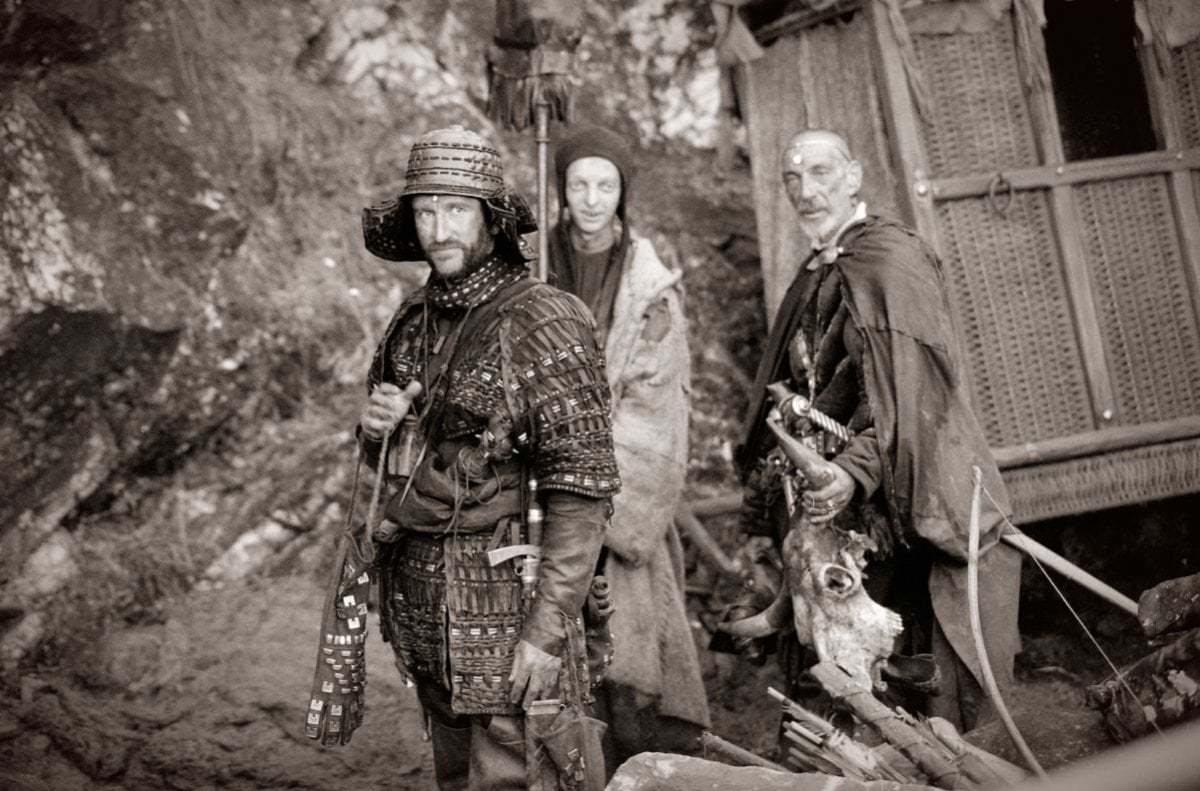
Aleksei German's posthumously finished Hard to Be a God is like stepping into a panoramic Bruegel painting and putting your foot right into a shit-stained corpse… in a good way. The luxuriantly detailed, nearly three-hour film adapts the 1964 Strugatsky Brothers novel about scientists in the future who journey to another planet that’s literally stuck in the Dark Ages, and then live there undercover.

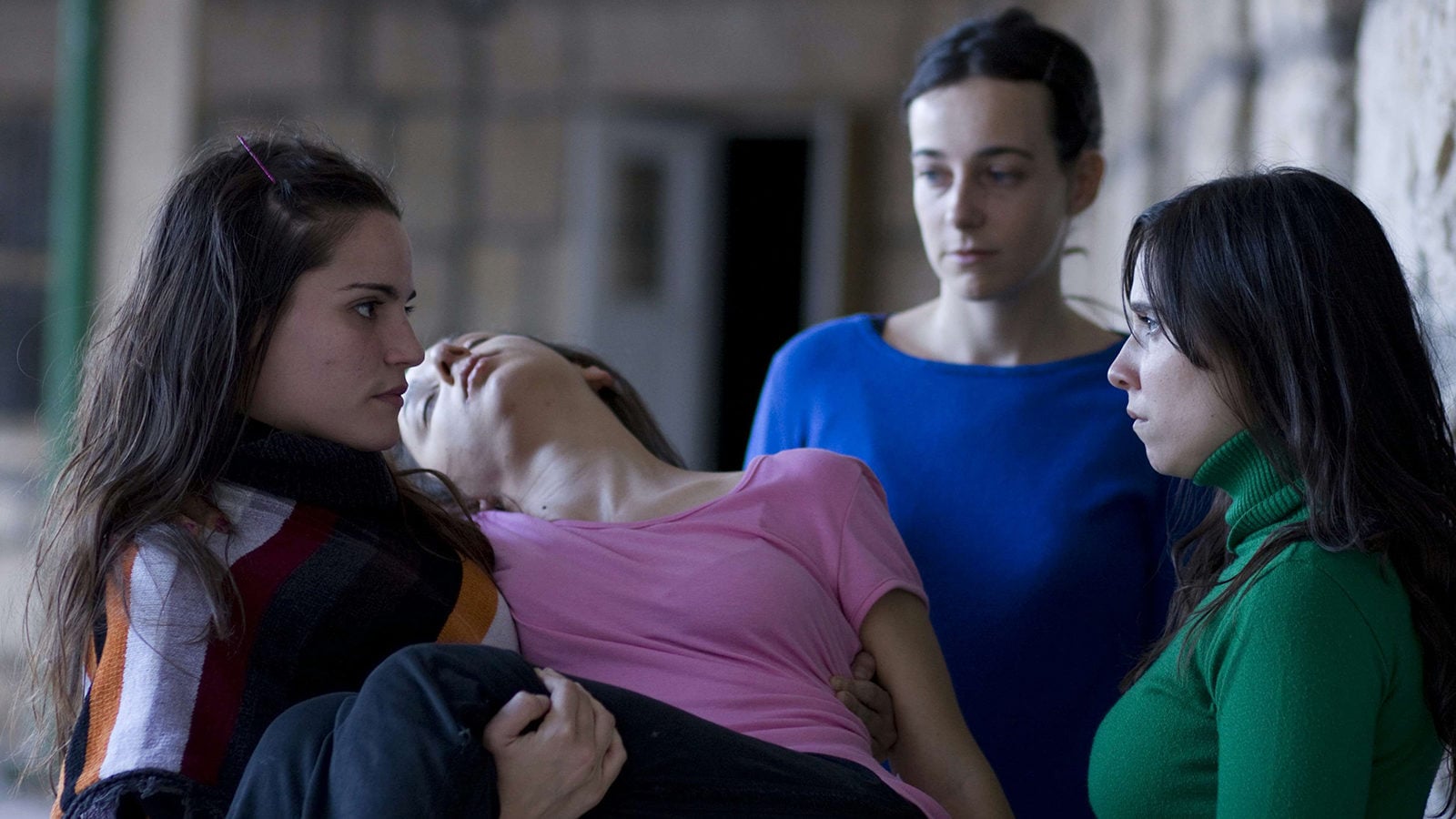
La Flor is an even more elaborate adventure in scale and duration, an exploration of the possibilities of fiction that lands somewhere close to its outer limits. Llinás himself shows up at the start to preview the six disparate episodes that await, illustrating the film’s structure with a sketch of the titular flower.
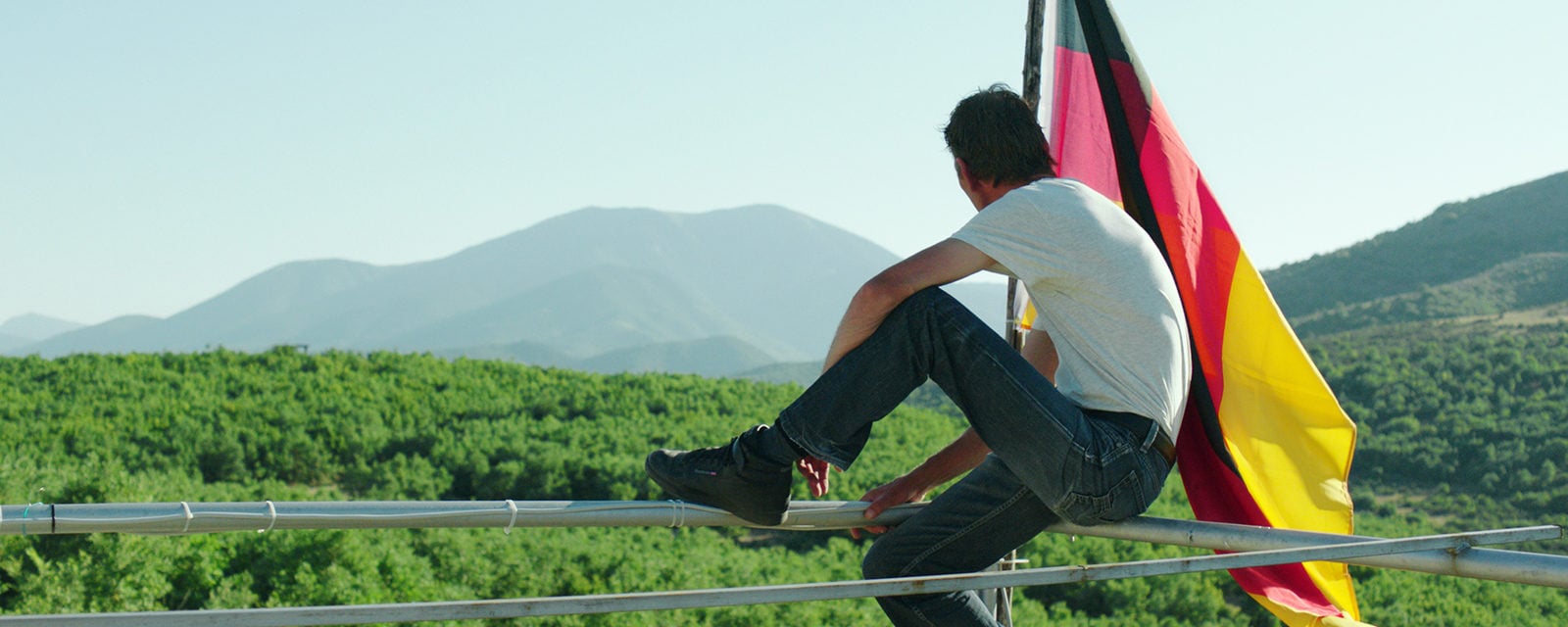
Grisebach’s tale of masculinity and cultural misunderstanding—the two themes seem naturally to go hand in hand here—plays constantly on the way that the landscape and its imagery, horses included, echo a classic genre.
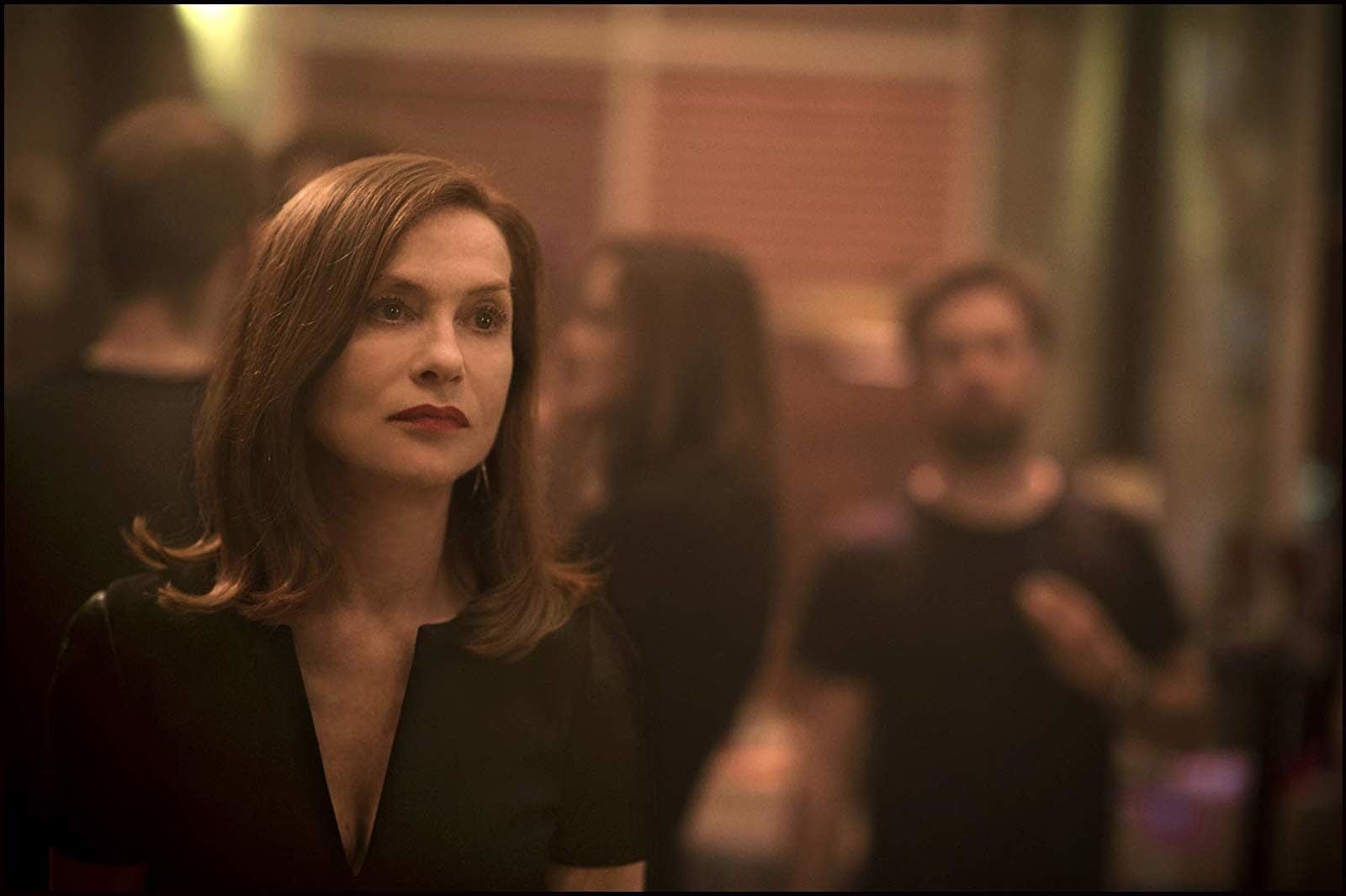
[Elle] is partially written as a thriller, because the rapist wears a mask and the main character doesn’t learn his identity until later on. But it is also a story that has a to do with the main character’s social connections. She is caught in a web that includes her father, her mother, her son, her daughter-in-law, her lover, her ex-husband, etc. These relationships are all rotating around her, most of which have nothing to do with the rape and nothing to do with the thriller genre.