Our Best Undistributed Films list, voted on by Film Comment contributors worldwide, recognizes the new films that were viewed—at festivals, or elsewhere—in 2023 but did not have U.S. distribution at press time. (Of course, that could change at any moment; keep an eye on FC for future coverage!)
For the best films that received a theatrical or streaming release in the U.S. this year, here’s the Best Films of 2023 list.
Curious to see who voted and for which films? Check out our voters’ individual ballots.
Also online: critic Leo Goldsmith’s list of the Best Short Films of 2023, and filmmaker and programmer Gina Telaroli’s list of the Best Restorations of 2023.
And finally, don’t miss our Best of 2023 Countdown Podcast, featuring guest critics Amy Taubin and Bilge Ebiri.
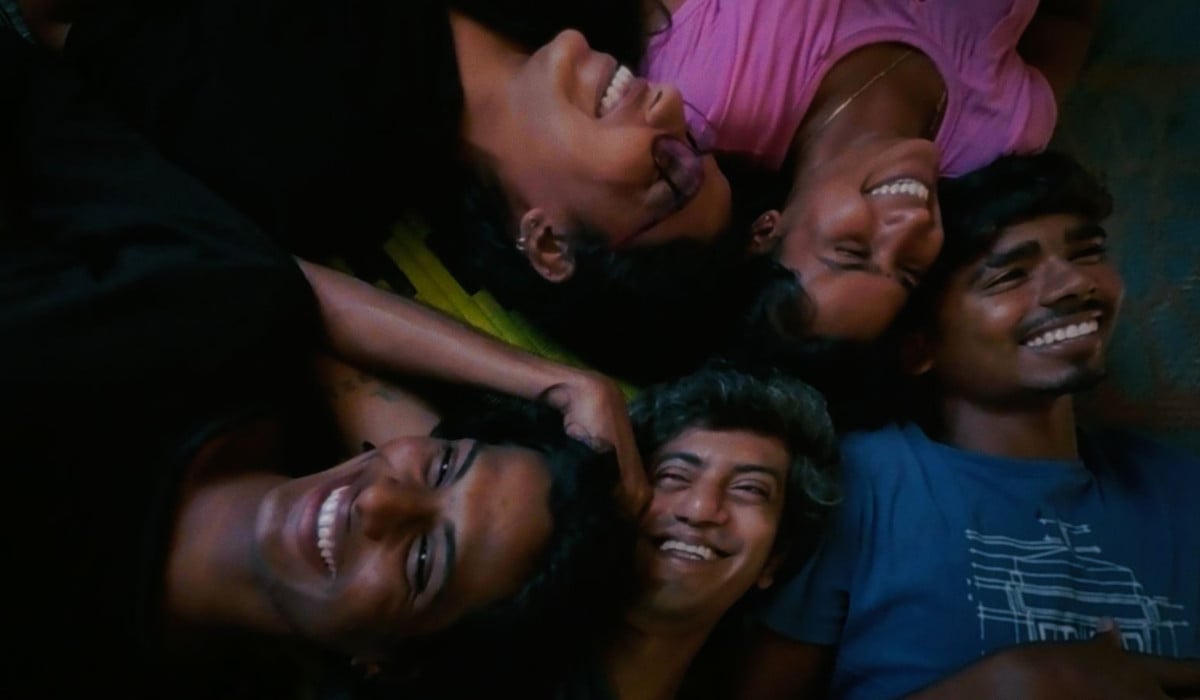
A sense of freedom drives the globe-trotting shenanigans of The Human Surge 3, Eduardo Williams’s long-anticipated follow-up to his 2016 experimental documentary, The Human Surge (skipping Part 2 to satirize sequel-heavy commercial filmmaking). In the first installment, Williams’s restless camera tracked young slackers in Argentina, Mozambique, and the Philippines, switching video formats as characters and locations changed without the customary signposts. This fluidity is cranked up several notches in The Human Surge 3, which shifts disorientingly among its three locations—Peru, Sri Lanka, and Taiwan—bringing together twentysomethings from all three places into one roving, multilingual mega–friend group. If the screening technologies of blockbuster cinema—3D, IMAX, etc.—promise a more realistic experience, then Williams’s use of a 360-degree camera in The Human Surge 3 does the opposite: the convex perspective approximates the visions of Google Earth with characters only distantly, blurrily visible in their surroundings. But rather than functioning as a force of repressive surveillance, this artificial gaze is a tool of liberation, forging as it does a borderless realm rife with thrilling potential.—Beatrice Loayza
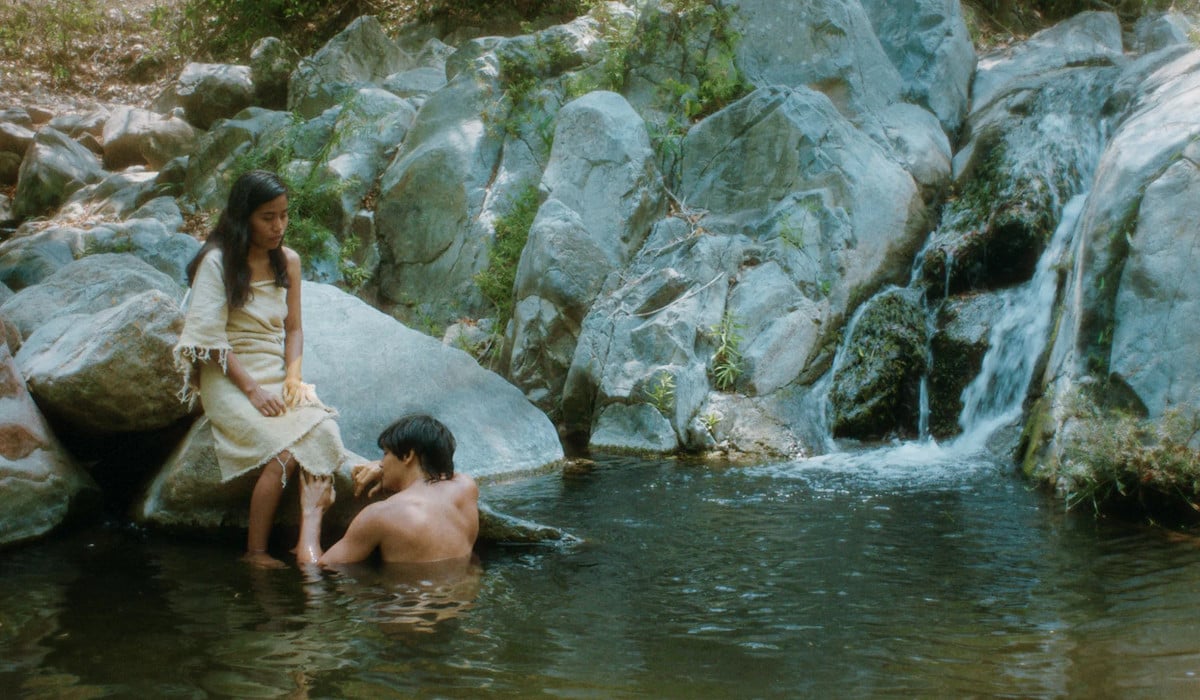
Nine years after his landmark historical drama Jauja (2014), Lisandro Alonso returns with a feature several times more ambitious than anything the 48-year-old Argentine director has yet undertaken. Structured around a series of narrative pivots, Eureka is a time-, space-, and genre-jumping attempt to locate resonances among various indigenous communities in three distinct milieus: the Old West of some collective cinematic past; South Dakota’s Pine Ridge Reservation in the present day; and the jungles of 1970s Brazil. Unlike anything Alonso has previously made, the extended middle portion is simultaneously surreal and matter-of-fact in its raw depiction of life on the reservation, and the violence and drug addiction that afflict its residents. (Think David Lynch by way of Roberto Minervini, who co-produced the film and consulted on the U.S. portions of the shoot.) As the film moves into the wilds of the Amazon, Alonso’s signature style of observational fiction takes flight into something magical.—Jordan Cronk
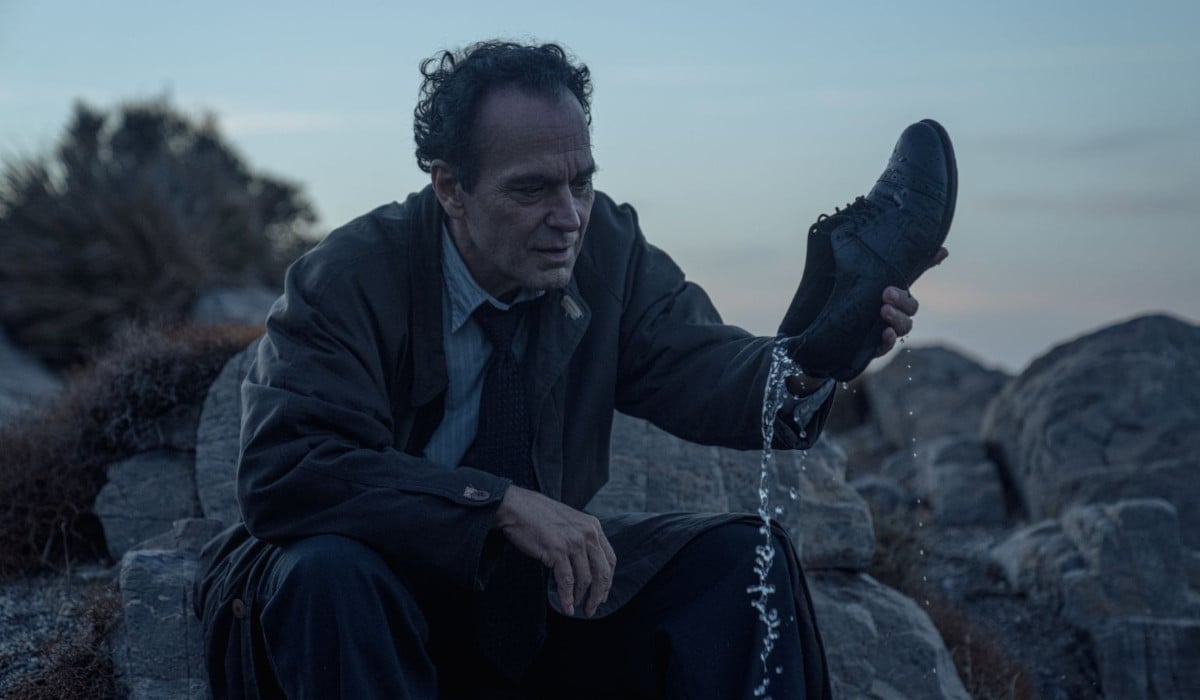
Víctor Erice’s fourth solo feature arrives a full 50 years after his exquisite, endlessly mysterious feature debut, The Spirit of the Beehive (1973)—yet the musty opulence and archaic rhetoric of the opening sequence of his new film, Close Your Eyes, feel far more antiquated. An elderly, fabulously wealthy refugee from Franco’s Spain, now living in the French countryside with his sagacious and devoted Chinese butler, engages a compatriot to seek out his long-lost daughter for the purpose of beholding her gaze one final time. It comes as something of a relief when this quaint setup is revealed to be a film within the film. Erice, now in his eighties, has forgone any attempt to revive the painterly splendor and crypto-minimalist narratives of his early films, and, working with co-scenarist Michel Gaztambide, has instead embraced a seductively meandering, novelistic approach to cinematic storytelling entirely new to his oeuvre.—José Teodoro
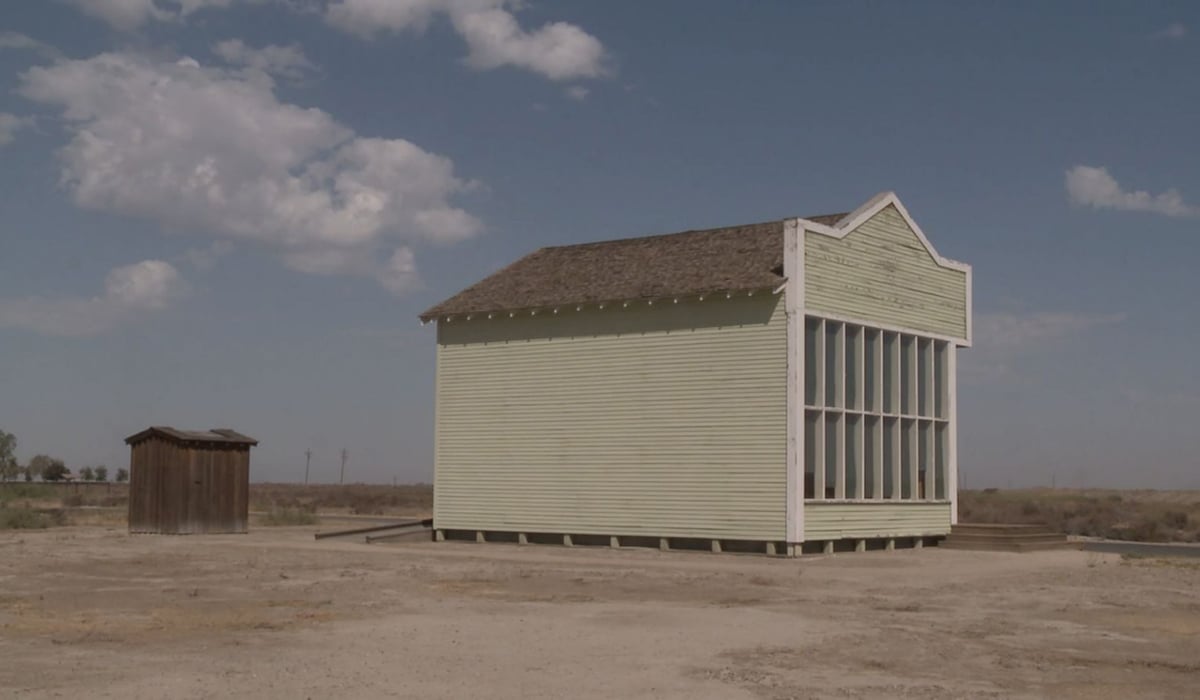
At the Berlinale in February, cinema’s prolific long-take provocateur James Benning screened his best film in years, ALLENSWORTH, to a fawning crowd at the magisterial Delphi Filmpalast. The director's latest unfolds as a series of extended, static shots featuring historic recreations of the buildings in California’s first self-administered African-American town (the recreations were made in the ’70s, and so are now historical themselves). Almost shockingly, for a Benning film, one tableaux interrupts the landscapes with a human presence: an actor in a schoolhouse reading from a book of poetry. As ever with JB’s work, the greatest strength of this film lies in its exquisite compositions; at each turn, one can almost hear David Lynch’s John Ford shouting, “It’s interesting!” In this case, however, those compositions offer more concrete political realities to reflect on for their duration than usual.—Inney Prakash
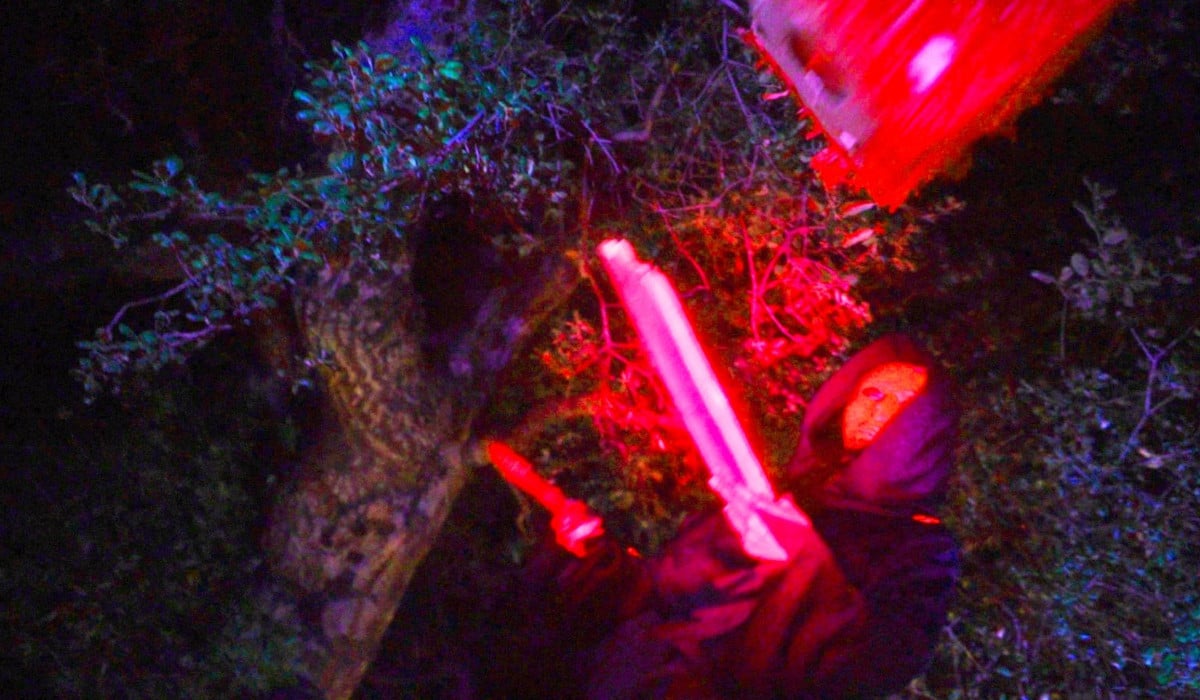
A furiously edited, chopped and screwed video diary spanning a decade, Gush is an arterial spray of clips about seeking companionship, maintaining back channels of gossip, and engaging in ceremony and celebration as strategies for surviving the violence of relationships and the film industry. A video-game logic permeates its montage, externalizing inner physical and emotional states through stock GIFs and animations of skeletons, bits of viscera, blood trails, and spirals that flash on screen like effects showing in-game characters healing or taking damage. The name of every song and remix featured in the film is included in the captions, along with lyrics and sound descriptions. The captions also contain unorthodox touches like abbreviations, slang terms, or symbols in place of words, which complement the visual experimentation of the work.—Emerson Goo

Nowhere Near begins with a citation from author Roberto Bolaño: “I’d lost a country but won a dream.” These words, written by an artist whose homeland, Chile, was consumed by a military coup and subsequent dictatorship, resonate with Revereza’s filmic reveries on numerous levels. Born in Manila and raised in the U.S. as an undocumented migrant, Revereza has lived something of a stateless existence for much of his life. In Nowhere Near, as he leads us on an autobiographical journey through various cities and countries—all while reflecting on his sense of displacement, his heritage and family, and the impact of colonialism on the Philippines—we sense the melancholy of a life in which things are perpetually lost to the endless process of uprooting. But the dream to which Bolaño refers is equally alive in the way Revereza sublimates his experiences into cinema.—José Teodoro
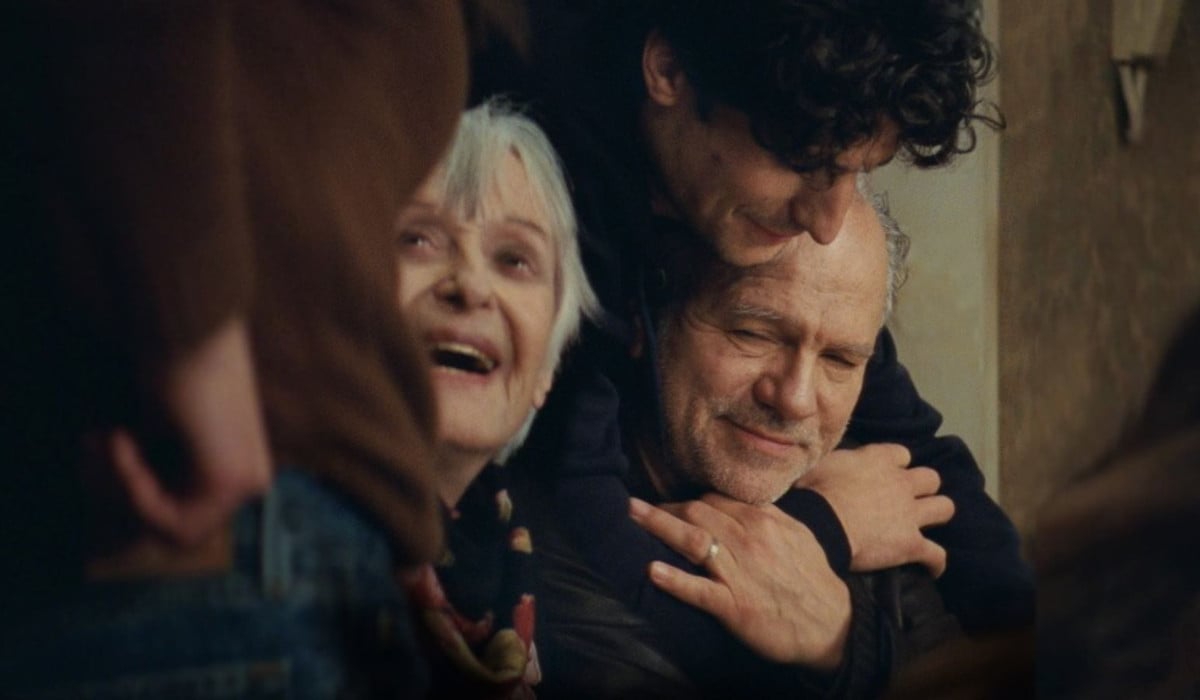
Few directors have been so consistently fascinated by the dynamics of loss—and the ghosts of loved ones departed—as Philippe Garrel. In The Plough, the 75-year-old filmmaker positions himself as the specter, casting his three children (Louis, Esther, and Lena) as puppeteers reckoning with the death of their father—and the demise of the artistic medium practiced by three generations of their family. (Maurice Garrel, father of Philippe, had been part of a puppet troupe in the ’40s, well before he became an actor.) After over a decade of shooting exclusively in black-and-white, Garrel confronts his own death in high-contrast color, infusing his unabashedly nostalgic sensibility with a sense of play and enchantment. We routinely see characters waking up, snatched out of vivid dreams. Amid the thinning audiences and the mourning, the ebb and flow of romantic and familial love, with its ever fickle patterns, creates exuberant dramas that unfold not unlike those conjured in a playhouse or on a screen.—Beatrice Loayza
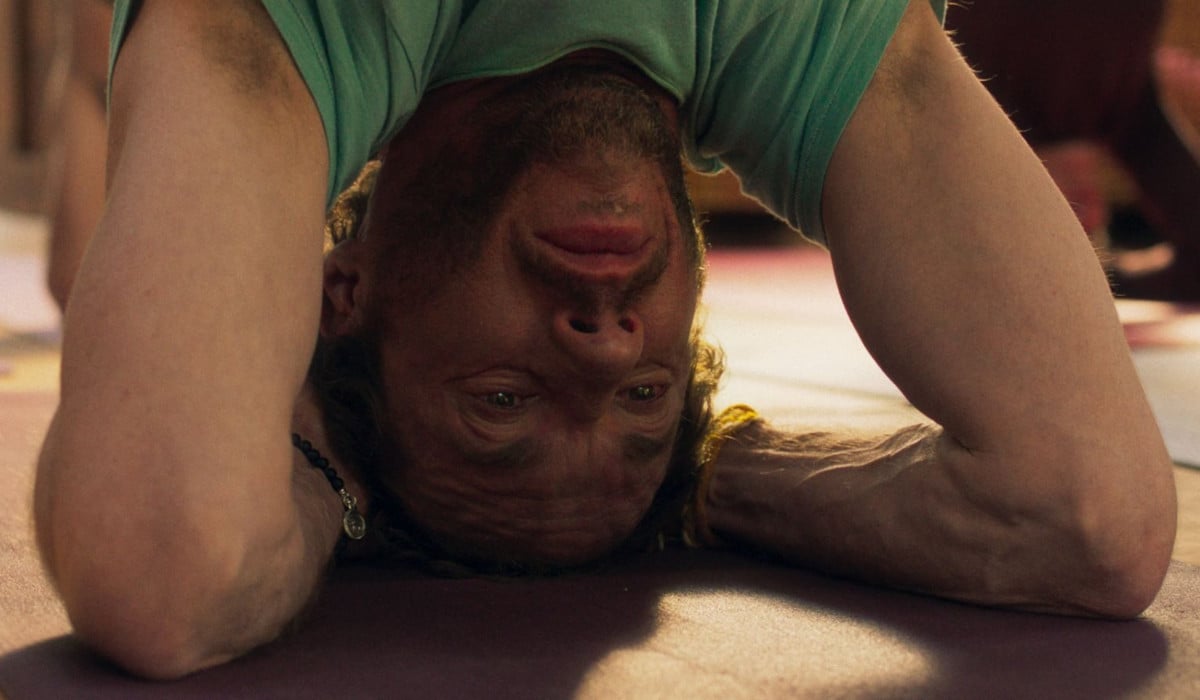
Martín Rejtman’s deadpan characters may seem cut from the same cloth as those of Aki Kaurismäki or Jim Jarmusch, but his absurdism is specific to Argentina: after the late-’90s recession, the idea that an “everyday life” has a predictable baseline seems absurd. Fittingly, Rejtman sets La práctica, his fifth feature, in the milieu of wellness classes and retreats, allowing him to explore the anxieties of late capitalism through monetized coping mechanisms. Rejtman structures the film around expertly timed, recurring motifs; we meet Gustavo, an Argentine yoga instructor living in Santiago, Chile, as he’s in the process of separating from his wife…who’s also a yoga instructor. He guides his pupils through meditative, comfortably repetitive exercises; meanwhile, his own routine is assailed by, among other things, a concussed student with short-term memory loss and a torn meniscus that reliably crrracks as soon as Gustavo lets his guard down. As cash is pumped into ever-louder juggernauts with nothing to say about the real world, I hope Rejtman’s wry, clear-eyed, and deceptively effortless vision isn’t taken for granted.—Chloe Lizotte

Alain Resnais’s Je t’aime, je t’aime (1968) shifted to the key of a slacker comedy: such is the improbable achievement of About Thirty, Argentine director Martín Shanly’s superb second feature. Anchored in March 2020, just before the first wave of COVID-19, it initially follows its go-nowhere protagonist, 30-year-old Arturo, as he navigates the awkward social demands of a friend’s wedding, only to then drop us into fragmentary episodes from the past decade of his life. The film’s great delight lies in Shanly’s use of structural indirection to transform otherwise familiar material, which allows crowd-pleasing humor to coexist alongside bold formal play. Given that the film’s production was severely protracted by the pandemic, and that Shanly himself plays the lead, it is tempting to read its jumbled chronology as an autofictional attempt to recapture the uncertainty and chaos of the period. Then again, its coda ultimately suggests that when confronted with the manifold pressures of reality, structure is for coping, not copying.—Lawrence Garcia

Galician filmmaker Lois Patiño’s singularly transfixing films often take place on borders—between countries, cinematic modes, and even life and death. In Samsara, he charts an aesthetic path across the Bardo Thödol’s concept of “the intermediate reality,” boldly subverting the primacy of his tactile visuals (exquisitely lensed in 16mm by Mauro Herce and Jessica Sarah Rinland) and resonant sound designs to come face-to-face with the essence of the medium. The film follows an elderly Laotian woman through her final days, death, and eventual reincarnation as a goat on a sun- and seaweed-dappled beach in Tanzania. But in between one life and another, a 15-minute, perception-altering, multicolored flicker sequence instructs us to view the film with closed eyes, undoing the separation of mind and feeling, and leaving us to wonder (for the remainder of the film, and as we reconsider everything that came before) if the afterimages on our retinas are the result of impressions from without or within.—Tyler Wilson