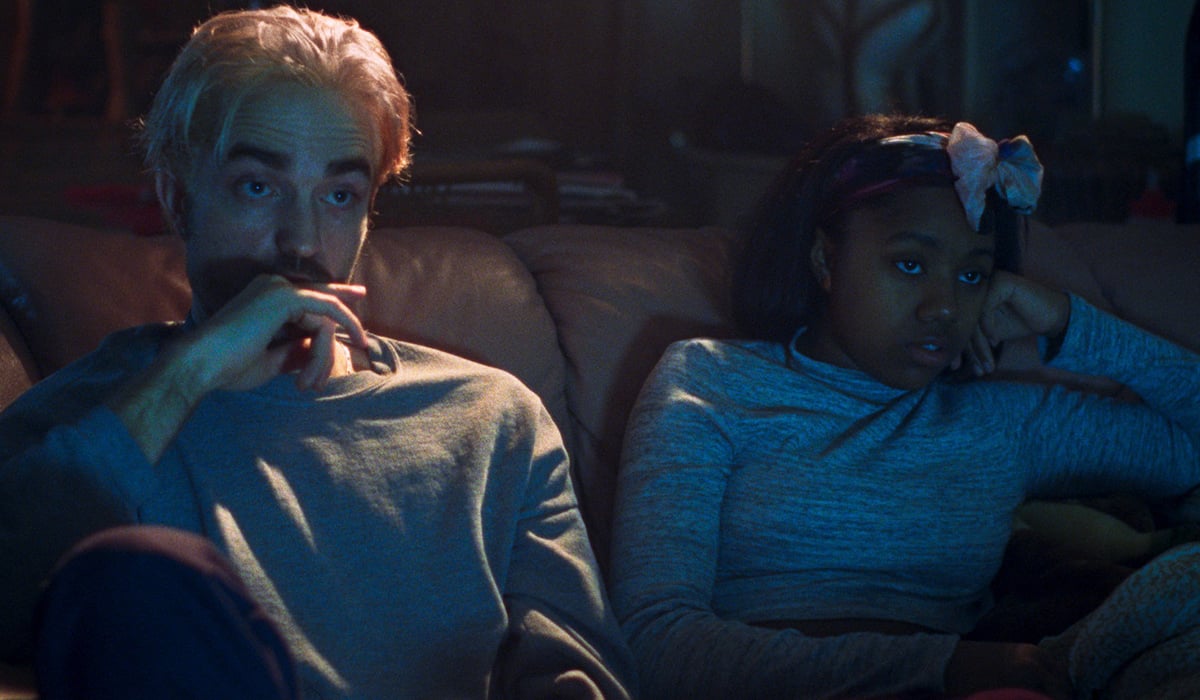
Good films stand the test of time, but in most years, fall releases hog the attention. Not so for 2017: our top five titles all opened before summer’s end, searing themselves on balloters’ brains. And in this list, electric with energy, variety, and invention, our July/August cover film, Good Time, raced to the front. The poll, conducted among the magazine’s contributors and staff, is divided into 1) films that received U.S. theatrical runs and 2) those viewed in 2017 but have no announced plans for U.S. theatrical distribution. For each ballot, a first-place choice was allotted 20 points, 19 for second, and so on.
Readers’ Poll 2017:
Do you like movies and prizes? Enter our Best of 2017 prize drawing by visiting filmcomment.com/survey by February 20, 2018 and send us your ranked list of the year’s 20 best films (plus comments) with your name, address, and phone number. We also want to hear your thoughts about the magazine in our new survey, located on the same form! Prizes include an annual subscription and a signed copy of the magazine (Linklater! Cronenberg! Denis!), and more.
Peruse the poll results of yesteryear.
Listen to our podcast discussing the results.
Don’t see your favorite? Move on to the Best Undistributed Films of 2017 list.
After spending their early films exulting in freedom from employment, buoying and buoyed by a kind of boho-anarcho amorality, the Safdies made a film dunked in the gasoline of white privilege, and they lit a match.
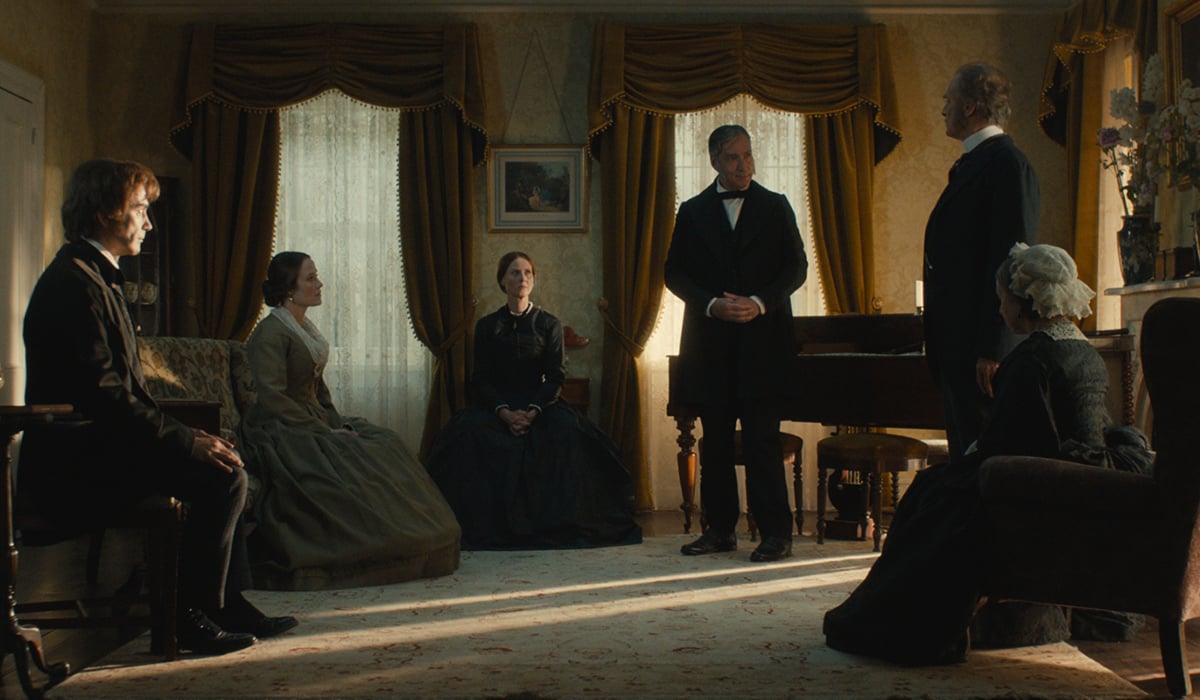
It’s common, when talking about Dickinson, to marvel at how much experience and insight she infused into her words despite a life of extreme seclusion, but A Quiet Passion doesn’t treat her like a neurotic shut-in or pathological specimen. In a genre so often fueled by received knowledge, Davies does something miraculous by making a Dickinson biopic that, at least at the outset, views her as a figure of delight.

Assayas’s works are often provisional, essentially fragmentary chapters in an ongoing discursive investigation of film history, contemporary culture and politics, and the world of appearances. Here, he’s interested in thinking about ways in which spiritual (that is, not just paranormal but also transcendental) values might be haunting our all too materialistic world. Personal Shopper suggests that ideas of the metaphysical have migrated into other spheres: into art, into the prestige surrounding fashion, into the pantheon of shimmering, semi-real beings that populate Internet gossip sites.

Get Out self-consciously and subtly mines the conventions of the horror genre to create a film that resonates on multiple levels. It applies the universal concerns of horror movies (such as providing catharsis for our fears) to specific issues of race and racism, and particularly of blackness, effectively linking a nuanced storyline to the familiar signifiers of the genre—a sense of paranoiac dread, sudden scares, and requisite carnage—making visible the all too familiar microaggressions experienced daily by African Americans.
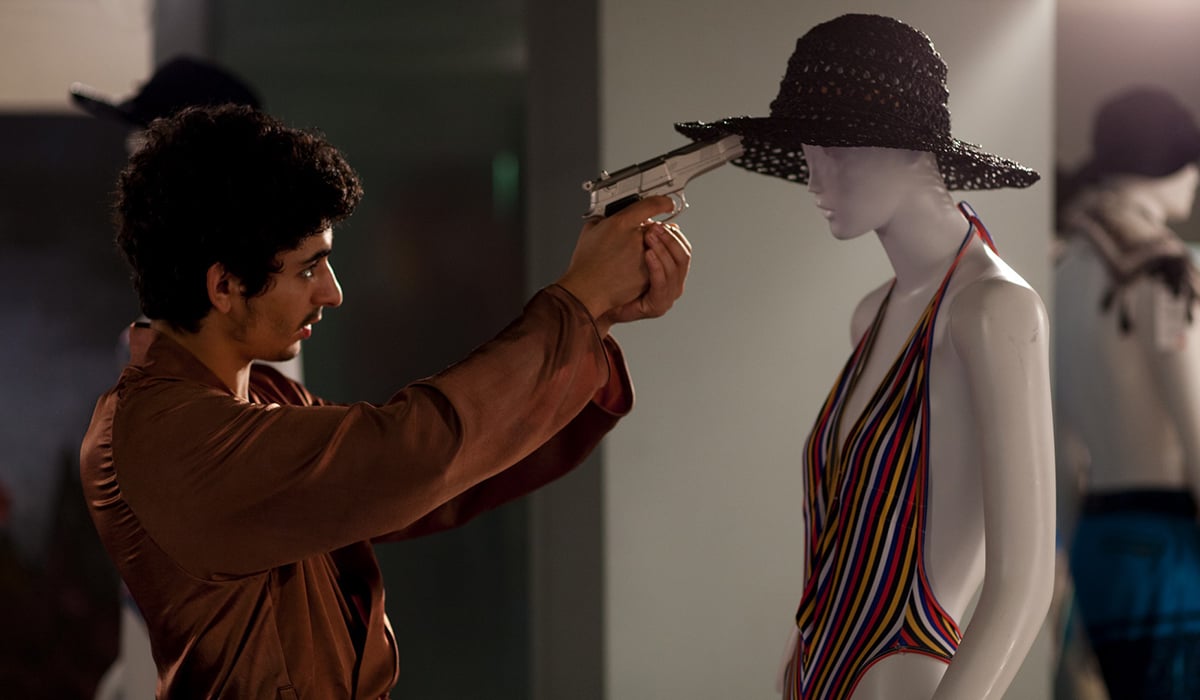
Nocturama deals with terrorism through a very well-thought-out maze of smoke and mirrors. It’s problematic on purpose (mostly), not intended as a portrait of real-world terrorists but an allegory of nihilism and decadence.
Thanks to Wiseman’s editorial selections, Ex Libris becomes a breathtaking work of erudition, attaining Godardian or Straubian levels of quotation and association… Through—not despite—his granular detail and editorial collage, he in fact shoots a living cinema of ideas constantly reflecting on the way we live as a society.

Like all of Serra’s films, The Death of Louis XIV unfolds in a timeless present, an in-between space in which memory and consciousness occur simultaneously.
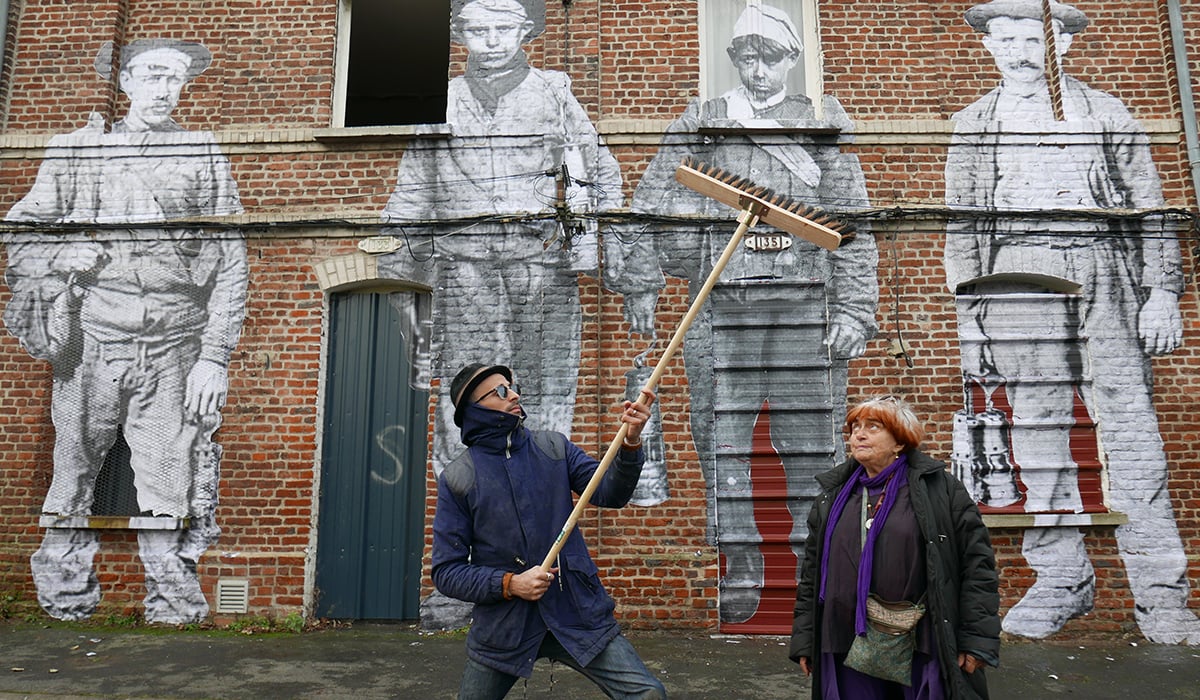
Faces Places is a work about memory, friendship, the life and death of people, and the nature of life itself. It reestablishes—as in so much of Varda’s art—that the smaller the subject seems, the greater the film can be.
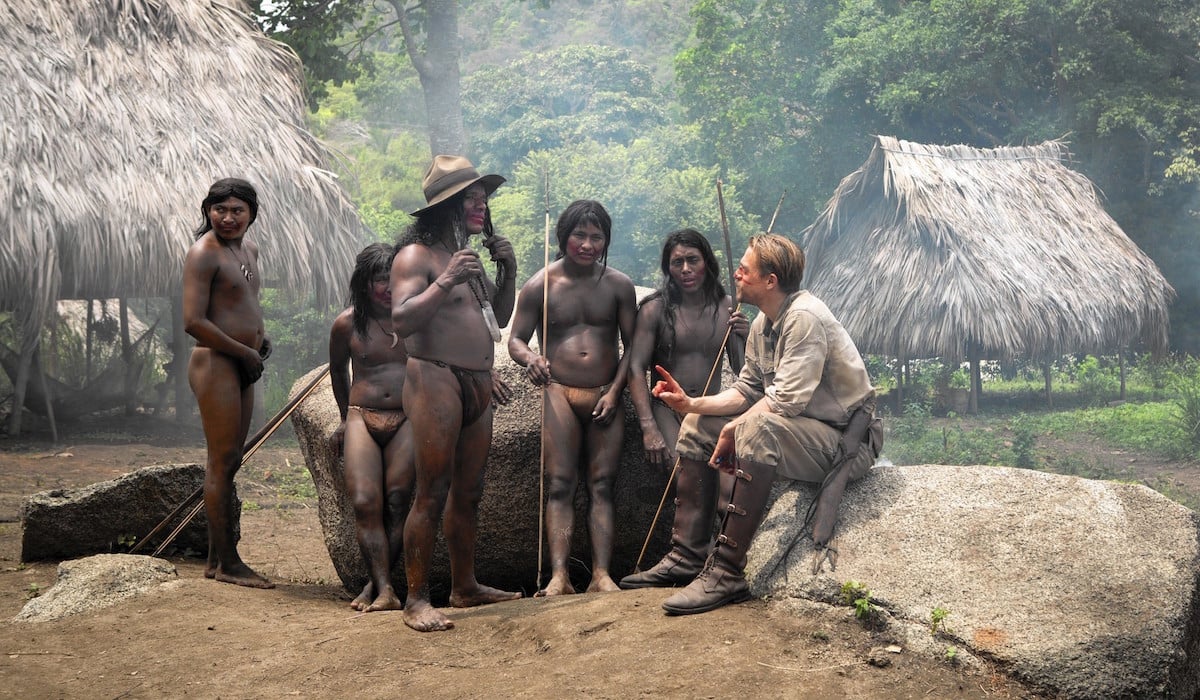
Rather than depict Fawcett’s journey as devolving into a kind of Herzogian madness, Gray and leading man Charlie Hunnam take a matter-of-fact, internalized approach to the character, treating his obsession with the possibly mythical Z as an almost practical means of emotional escape.
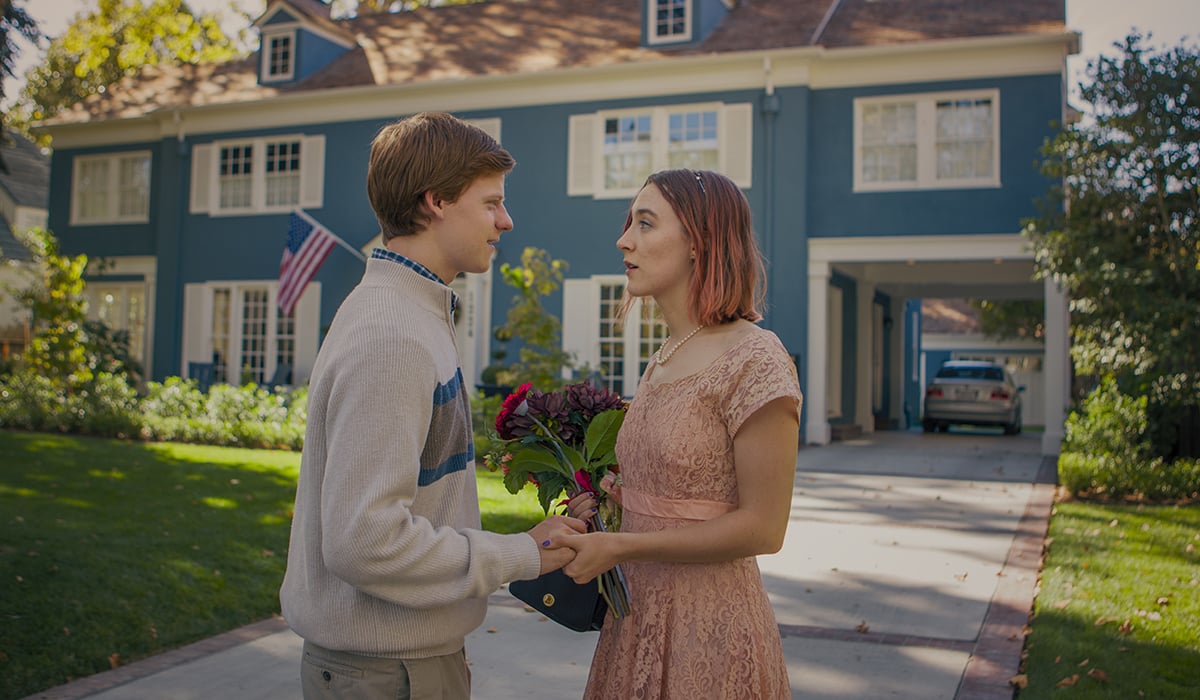
Gerwig’s first solo flight as a director and writer is beautifully confident in its rhythm and mood, the script whip-sawing from humor to earnest emotion to raw pain and back.

As an immersive, unpredictable sensory experience, The Human Surge is a prodigious accomplishment from a filmmaker full of ideas about rhythm, texture, and scale. It leaves one anxious to see what he’ll do next.
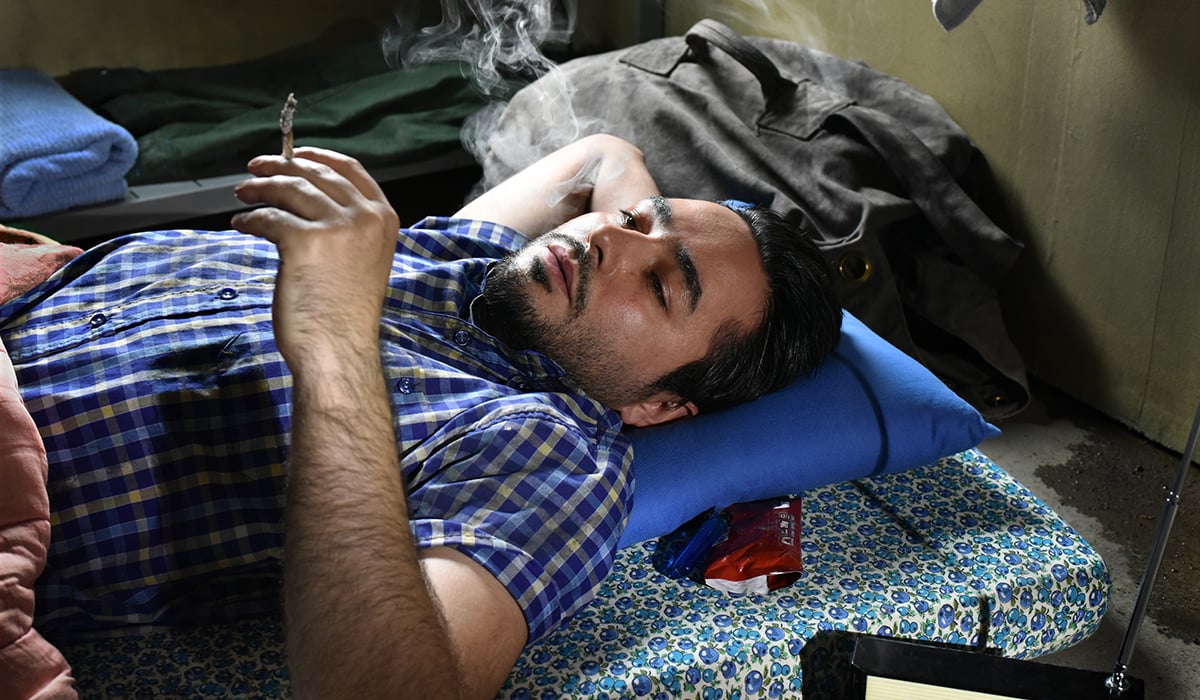
Finnish auteur Aki Kaurismäki’s unworldly drollery, unchanged across 20 films since 1983, feels like it’s from another time—until it’s ruptured by the shocking contemporaneity of the global refugee crisis against which the movie is set.
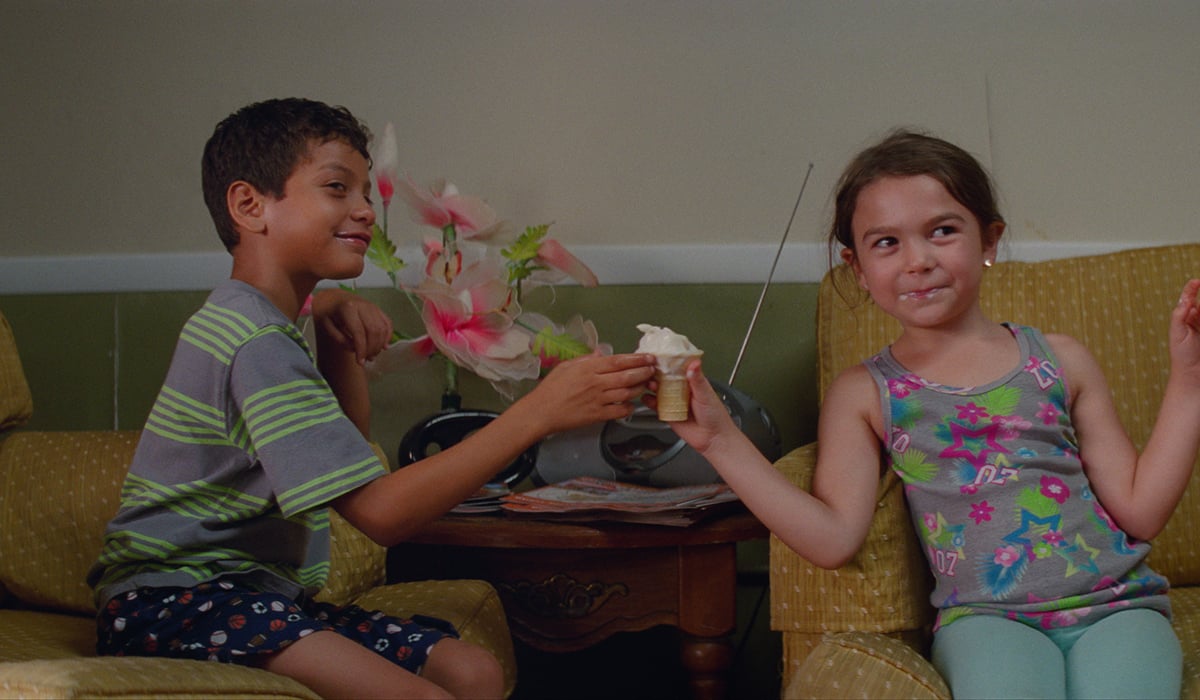
Here [Baker] reasserts his commitment to 35mm film, and the garish sun-blasted color of the cheap motel buildings and the grassy lots where the kids play, as if they are young animals learning to go on the run because that may well be all the future holds for them, captures the attention better than the twists of any narrative—not that there isn’t a narrative here, though it’s all but hidden until the heartbreaking end.
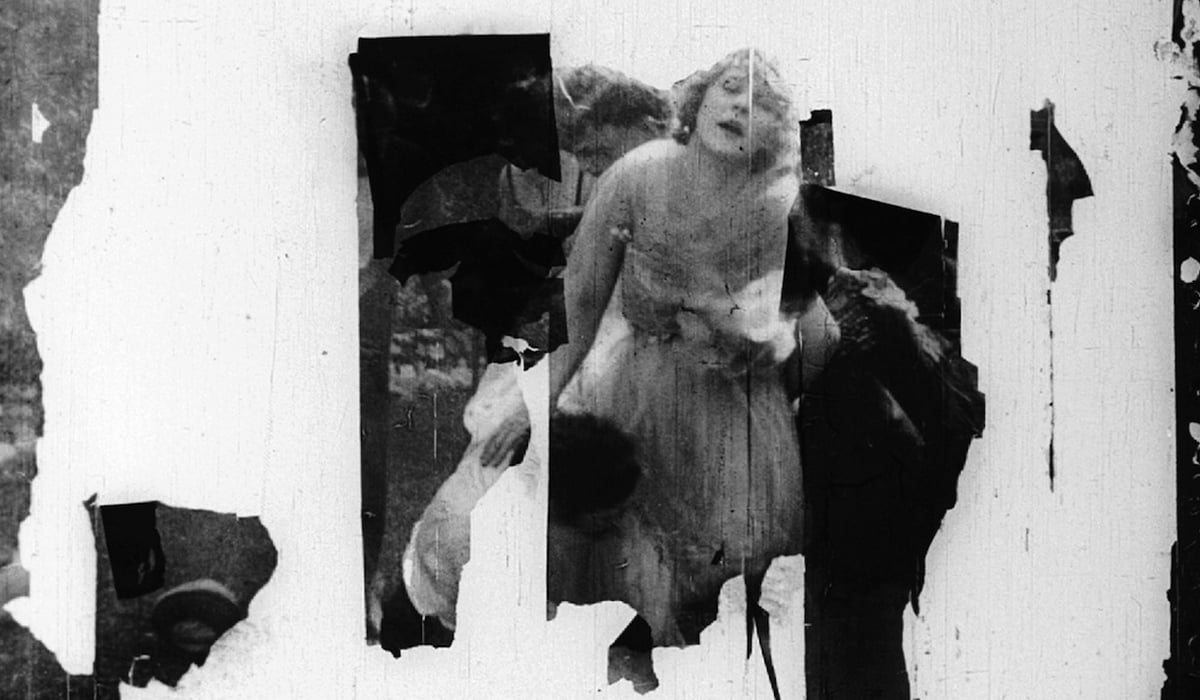
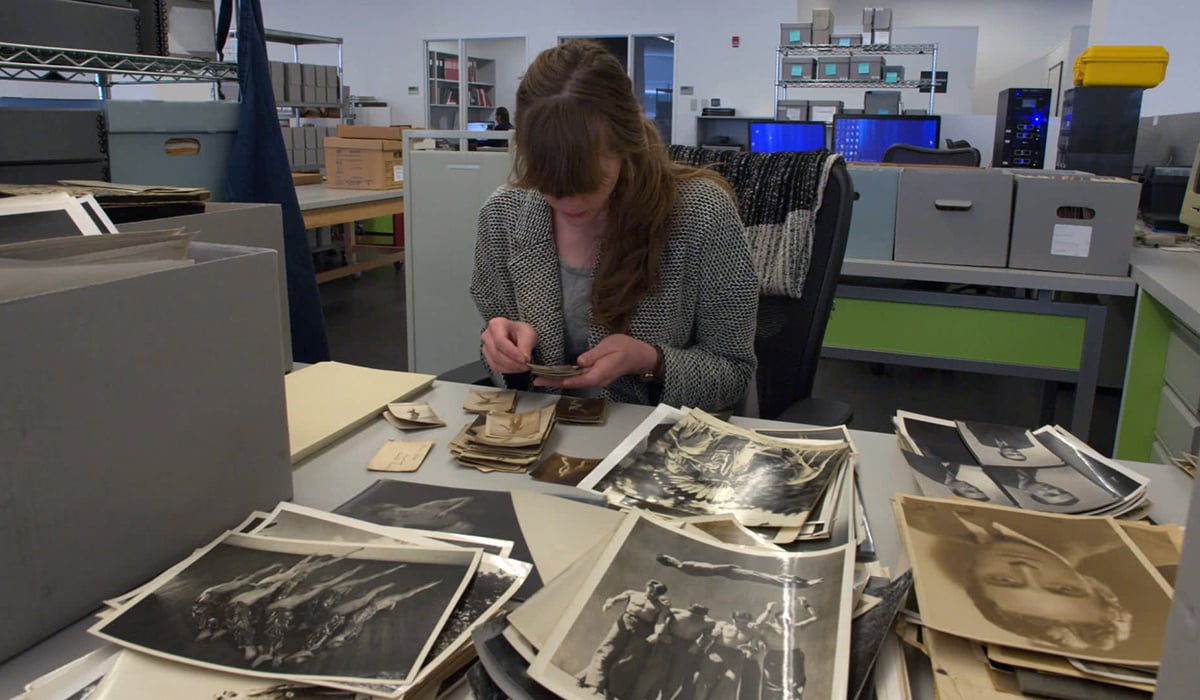
The thread, or rather the long unwinding reels, running through Bill Morrison’s latest filmic excavation is a cache of 500-odd movies, discovered after decades under a swimming pool in a former Gold Rush town in the Yukon. Dawson City: Frozen Time… proves to be Morrison’s best film in years—a bona fide adventure through history, hopscotching across the turn of the 19th century.
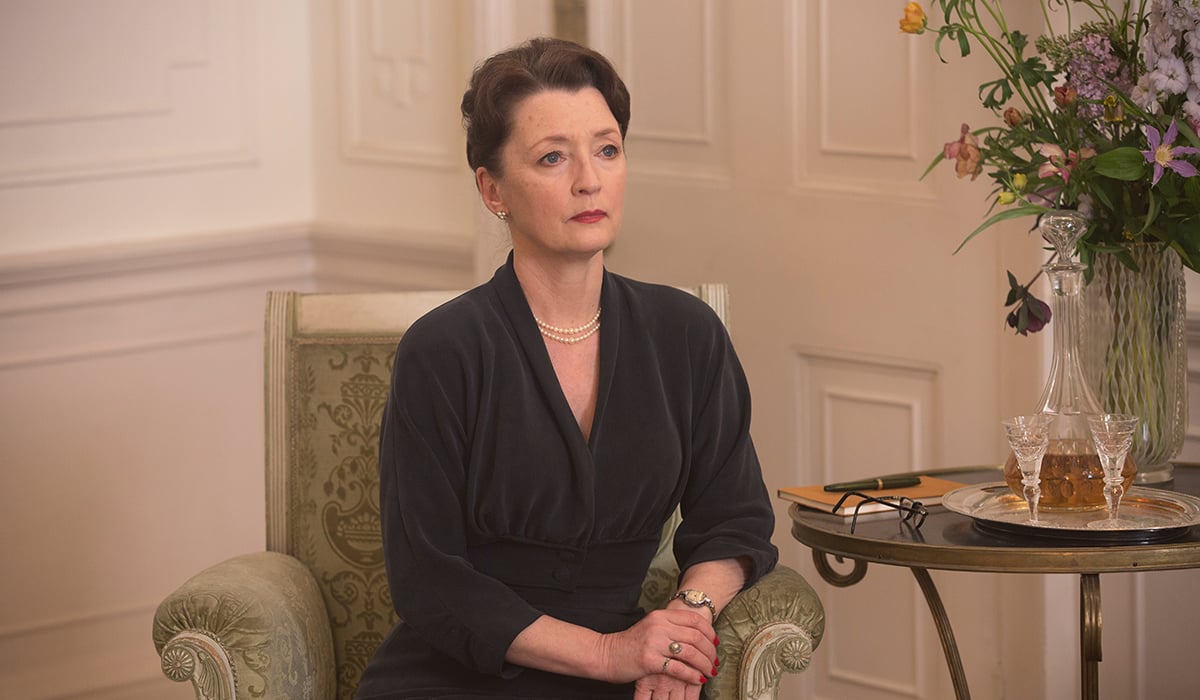
Opposite Daniel Day-Lewis as Reynolds Woodcock, Vicky Krieps’s Alma emerges as the perfect figure for Woodcock’s purposes (and designs)—embodying the freshness of youth, while stolid enough to withstand his frenzies. Intriguingly, and for the first time in Anderson’s career, the woman becomes the real protagonist.

On the Beach at Night Alone is a staggering series of pained reflections upon the challenges that love faces in an era when we are all far too concerned with everyone else’s business and when opinions—the more judgmental the better—are treated with a sanctity beyond question.
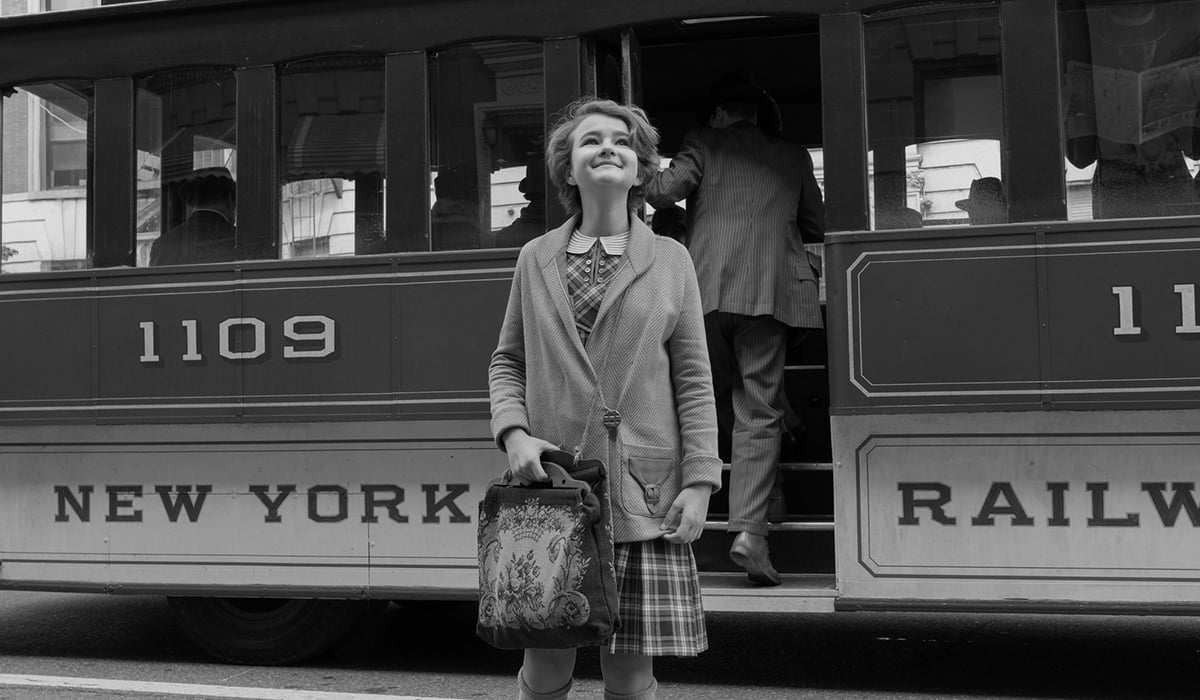
Haynes simulates, in remarkable, loving detail, varieties of popular art in order to both penetrate and put into context the periods from which they came: not only does Haynes evoke the movements and physicality of the silent screen in telling Rose’s story, at one point he even crafts a silent film within the film, with Moore’s Lillian Mayhew doing her best Lillian Gish as she tries to protect a baby while on a storm-battered plain.

Clocking in at a meaty 134 minutes, Mudbound is thrillingly ambitious and complex, and features daring experimental flourishes, including a multi-character narration that, while initially a touch overbearing, ultimately lends the film an apposite epistolary quality—repressed characters who are physically or emotionally adrift from their families are given voice, to powerful dramatic effect.
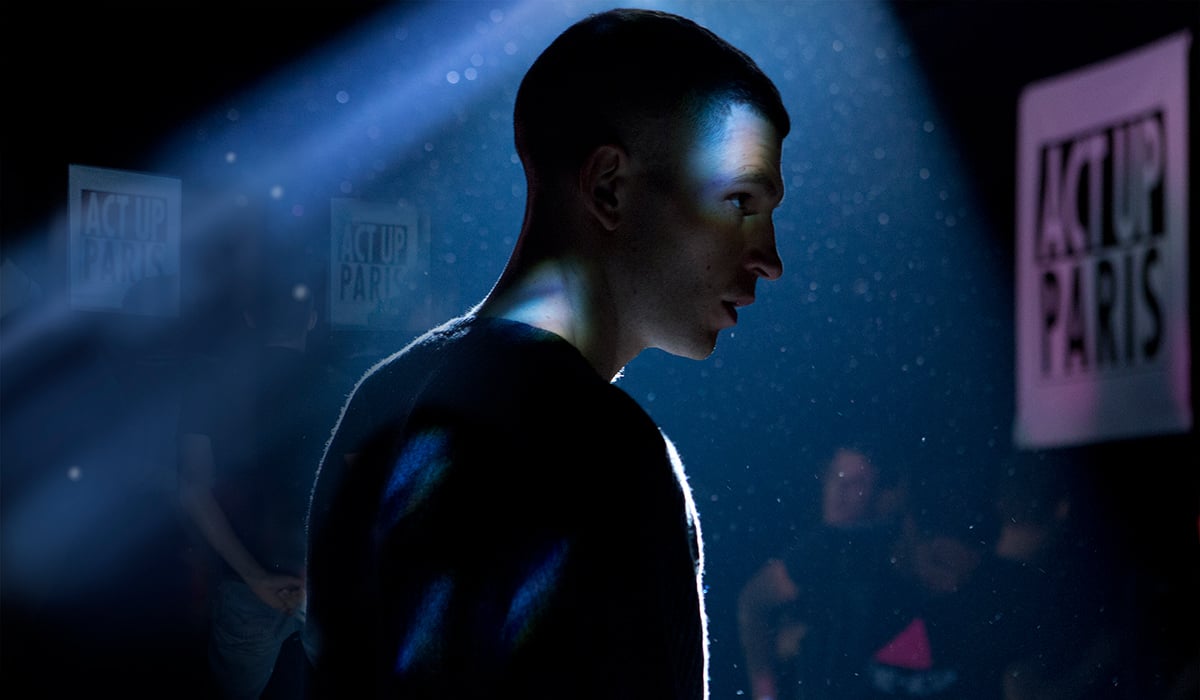
For the most part, BPM doesn’t worry much about undertaking formal innovation, and instead focuses squarely on helping audiences honor (or perhaps discover) the years of die-ins, guerrilla pamphleting, and peer-led immunology seminars. This is pedagogical cinema made warm and rousing—lively, and against heavy odds.
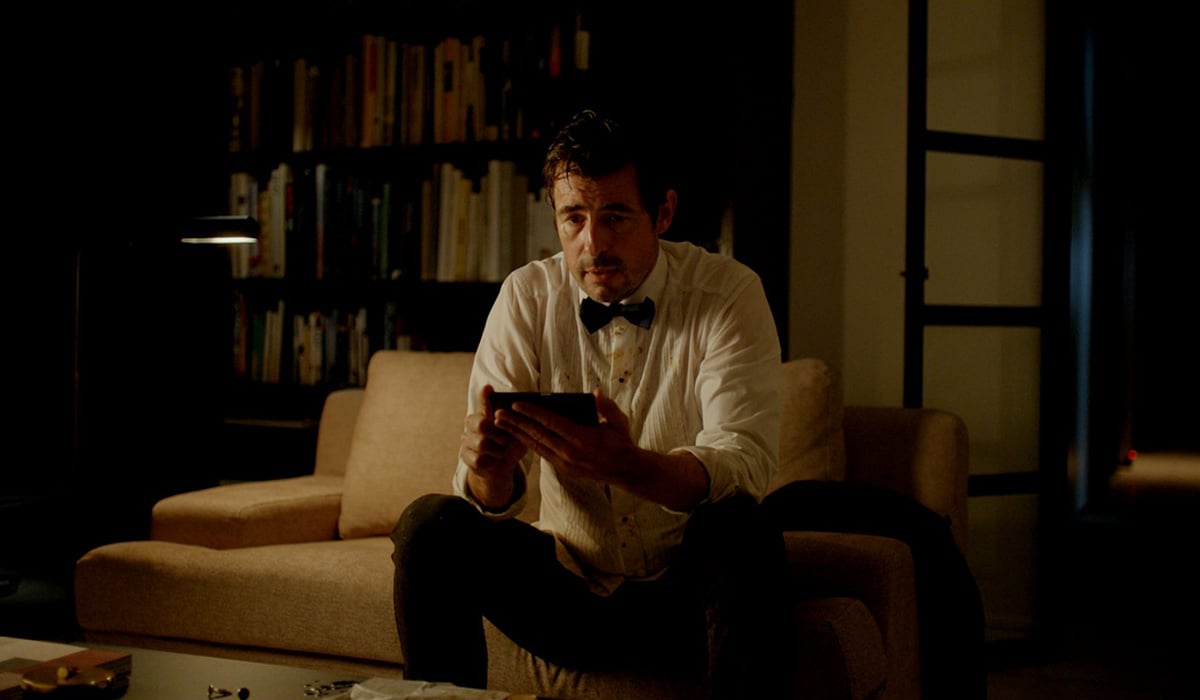
The Square’s broad topics function as satellite inquiries to the types of investigations Östlund has also been after in his prior features: how our daily behaviors and responses are ruled or inhibited by forms of psychological makeup and social conditioning.