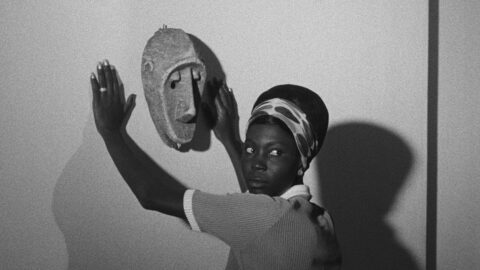
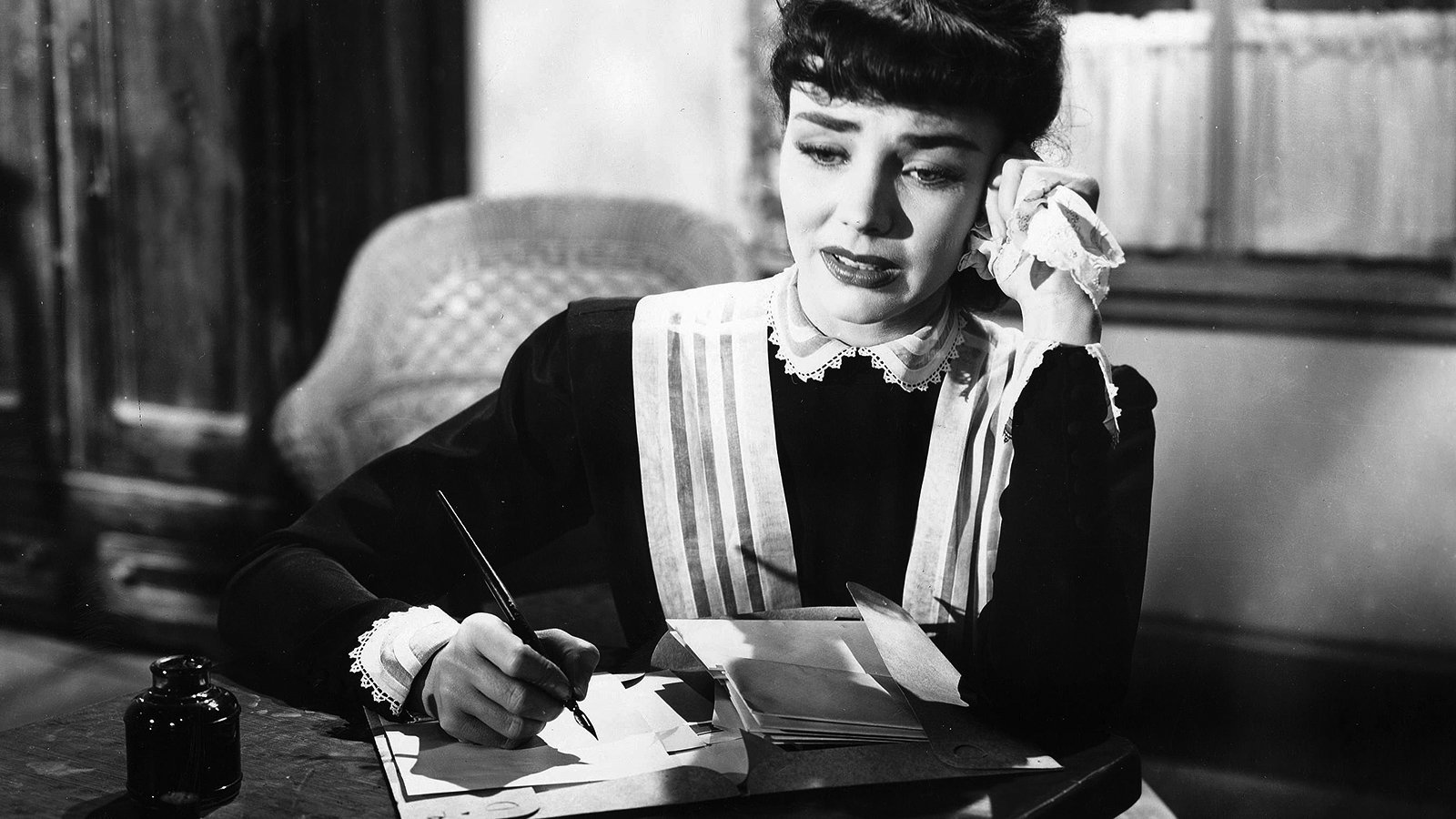
We’ve known since Deleuze that Moby-Dick, and more generally Melville’s oeuvre, is an object of fascination for the French. And for good reason: it’s to Herman Melville, third son of a Scottish fur trader and a patrician Dutch woman, that we owe one of the most beautiful descriptions of Americana—mixing a sense of grand spaces, impossible quests, and lost innocence with gusts of lyricism and razor-sharp descriptions of the harpooner’s life. Captain Ahab couldn’t be anything but a very free adaptation of the novel. In a succession of tableaux that dryly follow one another, the second feature from Philippe Ramos retraces the steps that turned a young orphan into a hubris-tormented monster. His film is impressive for the delicacy of its features, but its scope exceeds the psychological realism of the individual chapters and summons the history of cinema itself in a whale-hunting sequence reworked in the manner of a Lumière film. Ramos uses lighting that tips the image into a milky nothingness—in his 2003 short of the same name, the paleness of a young woman’s skin, of dunes whipped by the wind, and of the belly of the beast all dissolve into one single marmoreal whiteness. Ramos gives Ahab the biography he was denied in the novel, but likewise ends up face to face with the character’s essential mystery, offering us an America of the mind that’s one of the most beautiful mental images of America ever seen in cinema.
Sales Agent: [email protected]